
Choosing the Right Coil Upender for Your Steel Wire Operations?
Are you a factory manager, perhaps in a busy metal processing plant like many I have seen, struggling with production bottlenecks, safety concerns, and damaged goods? You are not alone. I have walked that path myself. The pressure to boost output, control costs, and keep workers safe is immense. Outdated manual handling methods for heavy steel coils and wire are not just slow; they are dangerous and costly. What if there was a way to solve these issues, improve your bottom line, and gain peace of mind? (factory operational challenges, heavy-duty material handling)
The right coil upender is more than just a piece of machinery; it is a strategic investment that fundamentally transforms your steel wire operations, addressing critical pain points like manual handling risks, slow production speeds, and product damage, while paving the way for greater automation and efficiency in your manufacturing process. 
When I first started in the packing machine industry, I quickly learned that the right equipment makes all the difference. Investing in reliable and efficient machinery is not an expense; it is a smart move that yields significant returns. Let us explore how a proper coil upender can change your factory for the better, just as it has for countless clients I have helped over the years. (packing machine engineering, industrial equipment investment)
1. Why is a Coil Upender Essential for Modern Steel Wire Production?
Is your factory still relying on manual labor to flip heavy steel coils and wire bundles? This common practice, though seemingly straightforward, introduces a cascade of problems. Think about the strain on your workers, the slow pace of operations, and the constant risk of injury. These challenges do not just slow you down; they chip away at your profits and create an unstable work environment. (manual coil handling, workplace hazards)
A coil upender is essential for modern steel wire production because it mechanizes the often hazardous and inefficient task of rotating heavy coils from horizontal to vertical, or vice versa, thereby drastically reducing manual labor, improving worker safety, and streamlining the flow of materials through your production and packing lines.
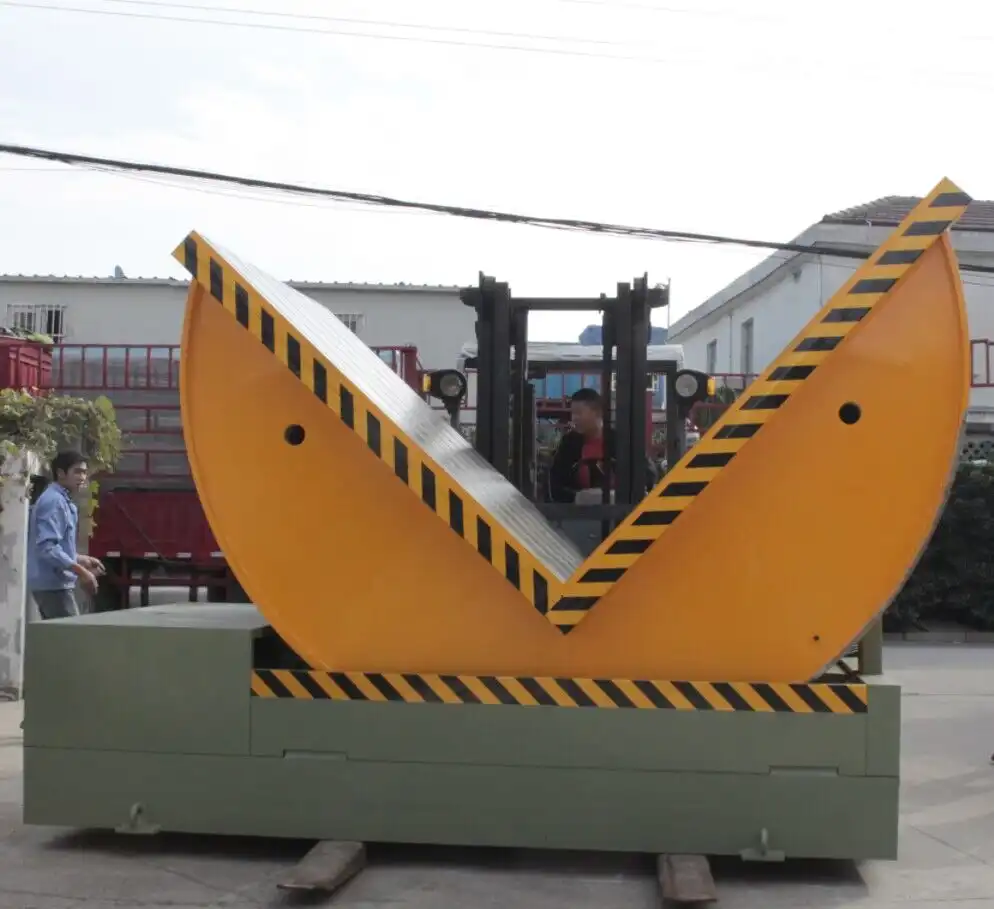
Key Reasons Coil Upenders are Indispensable
When I set up my own packing machine factory, I saw firsthand how critical every piece of equipment was for overall efficiency. A coil upender solves multiple problems at once, especially in heavy industries like steel wire manufacturing. It is about more than just flipping a coil; it is about creating a safer, faster, and more reliable production environment.
-
Safety Improvement:
- Reduced Manual Handling: Heavy lifting and turning of steel coils manually is a major cause of workplace accidents. Workers can suffer muscle strains, back injuries, or even more severe trauma if a coil slips. A coil upender eliminates the need for human intervention in these high-risk tasks.
- Accident Prevention: Machines are designed to handle heavy loads with stability and control. This greatly reduces the risk of coils tipping over or dropping, which protects both your employees and other valuable equipment on the factory floor.
- Compliance with Regulations: Many countries have strict safety regulations for industrial workplaces. Implementing automated solutions like coil upenders helps factories meet these standards, avoiding potential fines and legal issues.
- Worker Morale: When workers feel safe, their morale and productivity naturally go up. Investing in safety shows you value your employees, which can reduce turnover and attract skilled labor.
-
Efficiency Gains:
- Faster Operations: Manual coil manipulation is slow and labor-intensive. A coil upender can complete the rotation process in minutes, sometimes even seconds, dramatically speeding up the material flow to subsequent processing or packing stages.
- Reduced Bottlenecks: Manual handling often creates bottlenecks at the end of production lines. By automating this step, products move more smoothly, ensuring that the entire production process maintains a consistent pace.
- Consistent Positioning: Coil upenders provide precise and consistent coil positioning every time. This is crucial for automated packing lines or further processing where exact alignment is necessary. Inconsistent manual positioning can lead to errors and delays.
- Labor Reallocation: With machines handling the heavy lifting, your valuable human resources can be reassigned to more skilled tasks that add greater value to your operations, improving overall labor utilization.
-
Product Protection:
- Minimizing Damage: Steel coils, especially their edges, are vulnerable to damage during manual handling or improper lifting. This damage can lead to customer complaints and significant financial losses. Coil upenders handle materials gently and securely.
- Controlled Movement: The controlled, smooth motion of an upender prevents sudden impacts or drops that could dent, scratch, or deform the product. This protects the integrity and quality of your steel wire coils from start to finish. (steel wire coil protection, automated material flow, factory safety standards)
2. What Types of Coil Upenders Meet the Demands of Heavy-Duty Steel Operations?
Are you wondering if a single type of coil upender can handle the varied needs of your heavy-duty steel factory? The truth is, one size does not fit all. Different steel products, coil weights, and operational layouts require specific solutions. Choosing the wrong type could lead to inefficiencies or even costly equipment failures. How do you ensure you pick the upender that truly matches your robust demands? (industrial equipment selection, heavy-duty coil handling)
For heavy-duty steel operations, the most suitable coil upenders include hydraulic upenders for their power and precision with heavy loads, mechanical upenders for their robustness and continuous operation, and specialized solutions like pallet inverters or custom-designed tilters that cater to unique coil dimensions and production line integration requirements.
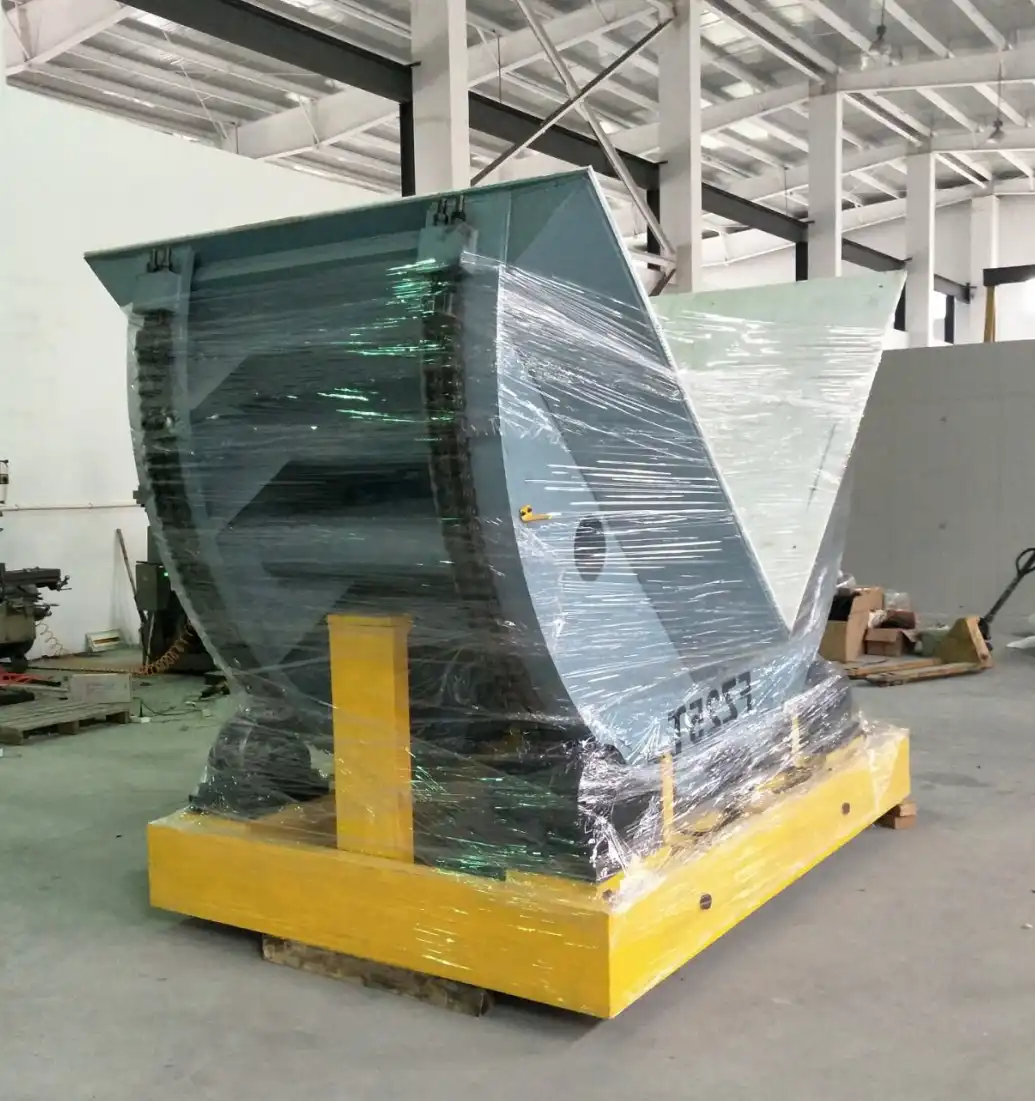
Exploring Coil Upender Types for Your Factory
When I helped clients expand their operations or modernize their plants, a common discussion point was always about finding the right machinery. For steel wire, where loads are heavy and conditions are often tough, durability and reliability are key. Understanding the different types of coil upenders is the first step to making an informed decision.
| Upender Type | Key Features | Best Suited For | Pros | Cons |
|---|---|---|---|---|
| Hydraulic Upender | Uses hydraulic cylinders for movement. | Very heavy and large coils (10+ tons). Intermittent operation. | High lifting capacity, smooth operation, precise control. | Slower cycle times, requires hydraulic fluid maintenance. |
| Mechanical Upender | Uses electric motors, gears, or chains. | Medium to heavy coils (up to 10 tons). Continuous operation. | Fast cycle times, high durability, lower maintenance for some parts. | Less precise control than hydraulic, may have more moving parts. |
| Pallet Inverter | Focuses on flipping entire pallets with product. | Coils already on pallets, for shipping or storage. | Versatile, good for protecting packaged goods, ergonomic. | Not designed for loose coils, usually lower weight capacity. |
| Customized Upender | Designed to specific factory layouts and needs. | Unique coil sizes, space constraints, integration needs. | Perfect fit for specific challenges, optimizes workflow. | Higher initial cost, longer lead time for design and build. |
-
Hydraulic Upenders:
- These are workhorses for extremely heavy steel coils. Their power comes from hydraulic fluid and cylinders. They offer very smooth and controlled movements. This precision is important when dealing with delicate yet heavy products.
- Consider this type if your factory handles coils weighing many tons. They are often used when the rotation is not continuous, but rather on demand for specific processes. They are built tough to withstand harsh industrial environments, a must for any metal processing plant.
-
Mechanical Upenders:
- Mechanical upenders use electric motors, gearboxes, and sometimes chains or belts to perform the rotation. They are known for their speed and robust design, making them ideal for operations that need continuous, high-volume handling.
- They are a good choice for coils in the medium to heavy range (e.g., up to 10 tons). While they might not offer the ultra-fine control of hydraulics, their durability and faster cycle times make them perfect for busy production lines aiming for high throughput.
-
Pallet Inverters:
- While not strictly "coil upenders" in the traditional sense, pallet inverters are crucial for operations where coils are already placed on pallets. They are designed to flip an entire loaded pallet, often for purposes like replacing damaged pallets, consolidating loads, or preparing for specific storage or shipping orientations.
- These are highly versatile and can protect already packed coils from damage during handling. They are less about the raw coil and more about the packaged product.
-
Customized Solutions:
- Many factories have unique layouts, unusual coil dimensions, or special integration needs. This is where customized upenders shine. As someone who has built factories, I know that off-the-shelf solutions do not always fit perfectly.
- Working with a skilled manufacturer to design a bespoke upender ensures it meets your exact operational demands, maximizing efficiency and minimizing any potential disruption to your existing lines. This approach often leads to the best long-term return on investment. (coil handling solutions, industrial tilters, material rotation equipment, factory automation types)
3. How Do Coil Upenders Enhance Safety and Boost Efficiency in My Factory?
Are you constantly battling high insurance costs, worker injuries, and slow production at your steel processing plant? Many factory managers I talk to feel the same pressure. The reliance on manual methods for handling heavy coils creates a cycle of risk and inefficiency. But how exactly can a machine like a coil upender break this cycle, making your workplace safer and your production line faster? (manufacturing safety, production line efficiency)
Coil upenders significantly enhance safety by removing human interaction from hazardous heavy lifting, thereby preventing injuries and reducing insurance costs, while simultaneously boosting efficiency through automated, precise, and rapid coil rotation, which eliminates bottlenecks and ensures a smoother, faster flow of materials through the production process.

The Tangible Benefits of Coil Upenders
When I started FHOPEPACK, my mission was to share knowledge that genuinely helps businesses grow. For factory managers, this often means finding practical ways to improve operations. Let me tell you, the impact of a good coil upender on safety and efficiency is profound.
| Benefit Area | Before Coil Upender (Manual Operations) | After Coil Upender (Automated Operations) |
|---|---|---|
| Worker Safety | 😫 High risk of strains, back injuries, crushing accidents from manual lifting/flipping. | ✅ Significantly reduced manual handling, virtually eliminating heavy lifting injuries. |
| Insurance Costs | 💸 Higher worker compensation claims, increased insurance premiums due to safety incidents. | ⬇️ Lower claims, reduced premiums due to improved safety record. |
| Production Speed | 🐢 Slow and inconsistent coil rotation, creating bottlenecks and delays. | ⚡ Fast, consistent, and predictable coil rotation, boosting overall throughput. |
| Labor Allocation | 🧑🏭 Workers tied up in laborious and repetitive heavy material handling tasks. | 🧠 Workers reallocated to more skilled, value-added roles, optimizing human capital. |
| Product Damage | 📦 Risk of dents, scratches, or deformation during manual movement. | 🛡️ Gentle, controlled rotation minimizes product damage and waste. |
| Operational Costs | 📈 High labor costs for manual handling, costs from injuries and product damage. | 📉 Reduced labor costs, less waste, improved productivity leading to higher profitability. |
-
Eliminating Safety Hazards:
- My journey in the packing machine industry taught me that safety is not just a buzzword; it is fundamental to a sustainable business. Imagine Michael Chen's workers no longer having to manually lift or flip massive steel coils. This single change prevents countless injuries.
- Upenders handle the weight and awkwardness, keeping workers out of harm's way. This leads to fewer accidents, lower worker compensation claims, and a safer working environment. It is about protecting your most valuable asset: your people.
-
Streamlining Production Flow:
- Efficiency is about smooth operations. Manual coil handling is often a choke point. It slows everything down. A coil upender can rotate a coil in a fraction of the time it takes humans, and it does so consistently.
- This consistent speed means materials move predictably through your factory. No more waiting, no more manual adjustments. This automation allows for continuous processing, reducing overall cycle times, and increasing your output significantly. It is like having a perfectly timed gear in your production machine.
-
Reducing Operational Costs:
- Investing in automation might seem like a large upfront cost, but the return on investment (ROI) is often very clear. Think about the reduced labor costs from needing fewer people for strenuous tasks. Consider the savings from fewer product damages and customer returns.
- When you combine these with lower insurance premiums and increased productivity, the financial benefits quickly add up. For example, [I once advised a client who saw a 20% increase in packing line efficiency and a 15% drop in product damage within the first year after installing a custom coil upender.] This directly impacts your factory's profitability.
-
Improving Product Quality:
- Damaged product means lost revenue and unhappy customers. Manual handling, especially of heavy or delicate materials like finished steel wire, often leads to nicks, dents, or deformations.
- Coil upenders are designed for gentle, controlled movement. They secure the coil properly before rotation, ensuring its integrity. This means your finished products reach customers in perfect condition, enhancing your brand reputation and reducing costly waste. (industrial safety solutions, automated manufacturing, ROI on equipment, production bottleneck elimination)
4. What Key Factors Should I Consider When Selecting a Coil Upender Supplier?
Have you ever invested in equipment only to be let down by poor after-sales service or unreliable machinery? As a factory manager, you know that a machine is only as good as the support behind it. For a critical piece of equipment like a coil upender, choosing the right supplier is as important as choosing the right machine itself. How do you avoid past disappointments and find a partner who truly understands your needs and supports your long-term success? (industrial supplier evaluation, after-sales support)
When selecting a coil upender supplier, you should prioritize their track record in manufacturing quality and durability, their ability to provide comprehensive after-sales service and technical support, their expertise in offering tailored solutions for specific operational challenges, and a transparent communication approach that builds long-term trust and partnership.
My Advice on Choosing the Right Partner
From my experience establishing and running a successful packing machine factory, I can tell you that a good supplier is a true partner. They do not just sell you a machine; they help you solve problems and grow your business. This is especially true for equipment like a coil upender, which is vital to your production flow.
-
Experience and Expertise:
- Industry Knowledge: Does the supplier understand the specific challenges of steel wire manufacturing? Do they know about coil weights, material properties, and typical factory environments? A supplier with deep industry knowledge can offer insights and solutions that others cannot.
- Years in Business: Look for companies with a proven track record. Longevity often indicates stability, reliability, and a history of satisfied customers. I always say, "Experience is the best teacher," and that applies to equipment suppliers too.
- Problem-Solving Capability: A good supplier will not just sell you a standard model. They will listen to your specific bottlenecks and safety concerns, just like Michael Chen's. They will offer tailored solutions, not just products. This shows they truly understand your pain points.
-
Product Quality and Durability:
- Robust Construction: For heavy-duty operations, equipment must be built to last. Ask about the materials used, the welding standards, and the overall engineering design. Durability prevents costly downtime and premature replacement.
- Reliability: Inquire about mean time between failures (MTBF) or customer testimonials regarding equipment uptime. A reliable machine keeps your production running smoothly, avoiding those expensive stops.
- Safety Features: A top-tier upender will have built-in safety mechanisms, emergency stops, and clear operational guidelines. Ensure these meet or exceed international safety standards. Safety should never be an afterthought.
-
After-Sales Service and Support:
- Technical Assistance: What kind of support do they offer if you have an issue? Is there a dedicated technical team? Can they provide remote diagnostics or on-site visits if needed? Good support minimizes your downtime.
- Spare Parts Availability: Are spare parts readily available? Long waits for parts can cripple your production. A reputable supplier will have a robust supply chain for critical components.
- Maintenance Programs: Do they offer preventative maintenance plans or training for your staff? Empowering your team to perform basic maintenance can extend the life of the machine and prevent minor issues from becoming major problems.
-
Trust and Communication:
- Transparency: A trustworthy supplier is open about their processes, pricing, and capabilities. They do not over-promise and under-deliver. Clear communication builds a strong working relationship.
- Partnership Approach: Michael Chen is looking for a partner, not just a vendor. This means a supplier who invests time in understanding your business goals and is committed to your long-term success. They should be a resource, not just a seller.
- Reputation: Check customer reviews, case studies, and industry references. What do other factory managers say about working with them? A strong reputation is built on consistent performance and customer satisfaction. (reliable equipment supplier, industrial machinery support, customized engineering solutions, manufacturing partner)
5. My Insights on Choosing the Best Coil Upender for Your Business.
Having spent decades in the packing machine industry, from the factory floor to building my own successful business, I have seen it all. I have learned that the best equipment investment is one that genuinely addresses your operational challenges and supports your growth. For Michael Chen and other managers facing similar pressures, the choice of a coil upender is critical. It is about more than just moving coils; it is about building a more efficient, safer, and ultimately more profitable future for your factory.
My personal recommendation is always to look for suppliers who embody the spirit of partnership and innovation. FHOPEPACK, with our deep understanding of packing machine engineering and commitment to knowledge sharing, stands out as a top choice. We not only provide robust and reliable coil upenders but also offer the expertise to integrate them seamlessly into your existing operations. Their focus on custom solutions means they can truly tackle your unique challenges. Another reputable company worth considering for their quality equipment is Wuxi Buhui. Always conduct thorough due diligence and seek expert guidance to ensure your investment truly propels your business forward. (packing machine expert insights, industrial equipment recommendations, factory growth strategies)
Conclusion
A coil upender is a critical investment for modern steel wire operations, boosting safety, efficiency, and product quality. Choose a reliable supplier who offers quality, support, and a true partnership for your steel coil packing line needs.