
Coil Upender: A Must-Have Tool for Efficient Coil Rotation and Storage?
Have you ever walked through a busy metal processing plant and felt the immense pressure of keeping everything moving, safely and efficiently? I have. For factory managers, especially those overseeing operations with heavy materials like steel coils, the challenges are constant. Bottlenecks in the packing line, persistent safety concerns, and the ever-present threat of product damage can turn a productive day into a stressful one. What if there was a single piece of equipment that could alleviate many of these headaches?
A coil upender is a specialized piece of industrial machinery designed to safely and efficiently rotate heavy cylindrical objects, like steel or wire coils, from a horizontal to a vertical position, or vice versa. This essential tool significantly enhances operational efficiency, minimizes manual handling risks, and protects valuable materials during internal transport and preparation for storage or further processing.
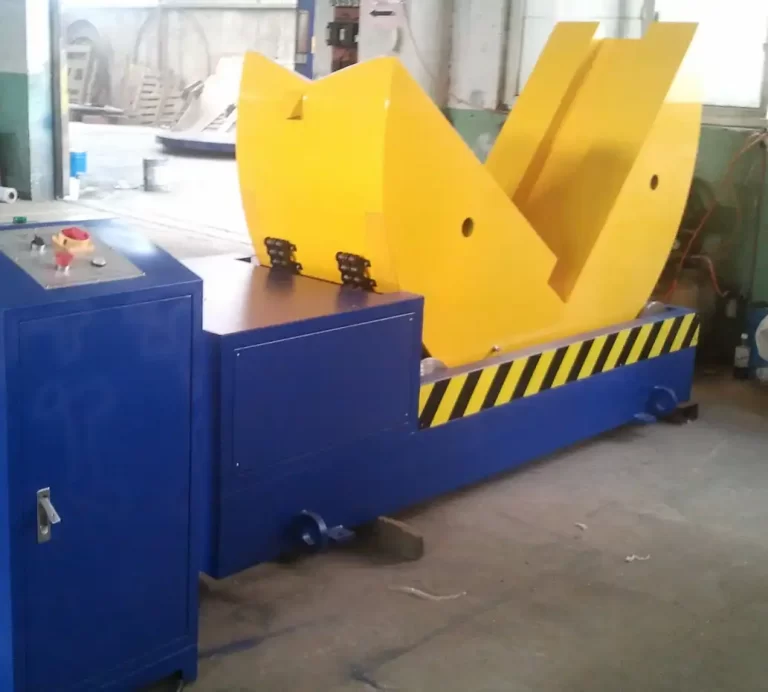
As someone who built a packing machine factory from the ground up, I understand the critical importance of reliable equipment in a demanding production environment. My journey in the packing machine industry taught me that smart investments in machinery pay dividends, not just in profit, but in safety and peace of mind. Let’s dive deeper into why the coil upender isn't just an option, but a necessity for modern industrial operations.
1. Why is manual coil handling a major problem for factory managers like Michael?
Imagine the daily struggle of managing a metal processing plant where every single steel coil, weighing tons, needs to be moved and reoriented by hand. It sounds like a nightmare, right? For factory managers like Michael, this isn't a hypothetical situation; it's a harsh reality that brings a cascade of problems. The reliance on manual methods for handling heavy coils creates significant inefficiencies and unacceptable risks within the production workflow.
Manual coil handling creates severe efficiency bottlenecks due to slow, labor-intensive processes, directly impacting overall production and delivery timelines. It also introduces critical safety hazards from workers attempting to lift or maneuver heavy loads, leading to high rates of workplace injuries, increased insurance costs, and detrimental employee turnover. Furthermore, the physical handling of sensitive coil edges frequently results in product damage, causing customer complaints and substantial profit losses.

Let's break down the core issues that managers face when relying on outdated, manual processes for handling heavy coils. These are not just minor inconveniences; they are fundamental obstacles to operational success and profitability.
The Unseen Costs of Manual Labor
Manual coil handling is not cheap. Beyond the direct wages, there are hidden costs that erode profitability. Think about the physical strain on workers. Repetitive lifting and maneuvering of heavy coils, especially those over 2,000 kg, takes a toll. Injuries like back strains, muscle tears, and even crush injuries are common. Each incident leads to:
- Medical expenses: Direct costs for treatment and rehabilitation.
- Lost workdays: Reduced productivity as skilled workers are absent.
- Increased insurance premiums: A higher incidence of claims directly translates to higher workers' compensation rates.
- Employee turnover: Workers become disheartened by hazardous conditions, leading to constant recruitment and training costs.
These costs quickly add up, turning what seems like a cost-saving measure (avoiding machinery investment) into a continuous drain on resources.
Bottlenecks and Reduced Throughput
A factory's efficiency is only as strong as its weakest link. Often, in metal processing plants, the coil handling and packing process is that weak link. If workers are slowly and carefully trying to flip a heavy coil by hand, using makeshift tools or even forklifts in an unsafe manner, the entire production line grinds to a halt.
- Slow processing speed: Manual methods are inherently slow, creating delays at the end of the production line.
- Inconsistent workflow: The speed and quality of handling can vary greatly depending on the individual worker, leading to unpredictable output.
- Delayed deliveries: Bottlenecks at the packing stage directly impact the ability to meet customer deadlines, damaging reputation and potentially incurring penalties.
Product Damage and Quality Control
When you’re dealing with high-value materials like steel or wire coils, even minor damage can lead to significant financial losses. Manual handling, no matter how carefully done, increases the risk of product damage.
- Edge damage: The edges of coils are particularly vulnerable during manual rotation or shifting, leading to deformation or nicks.
- Surface scratches: Improper lifting or dragging can scratch the coil surface, affecting aesthetic appeal and even structural integrity.
- Rejection rates: Damaged products result in customer rejections, requiring rework, discounting, or outright scrap, all of which eat into profits.
Michael's challenge isn't just about moving coils; it's about safeguarding his team, accelerating his operations, and protecting his product's quality and his company's bottom line. Manual handling undermines all these goals. (manual coil handling risks, factory efficiency bottlenecks, worker safety concerns, product damage costs)
2. How does a coil upender improve safety in heavy industrial operations?
The thought of workers manually wrestling with multi-ton steel coils sends shivers down my spine. Having spent decades in the packing machine industry, I've seen the dangers firsthand. It's not just about compliance; it's about protecting livelihoods. This is where a coil upender becomes an indispensable asset, fundamentally transforming the safety landscape of heavy industrial operations.
A coil upender dramatically improves safety by eliminating the need for manual handling of heavy coils, thus removing the primary cause of severe workplace injuries. It automates the rotation process, minimizing human interaction with dangerous loads and significantly reducing risks such as crushing incidents, strains, and falls. By providing a controlled and stable mechanism for reorienting coils, upenders create a safer working environment, protecting personnel and reducing accident-related costs for factories.
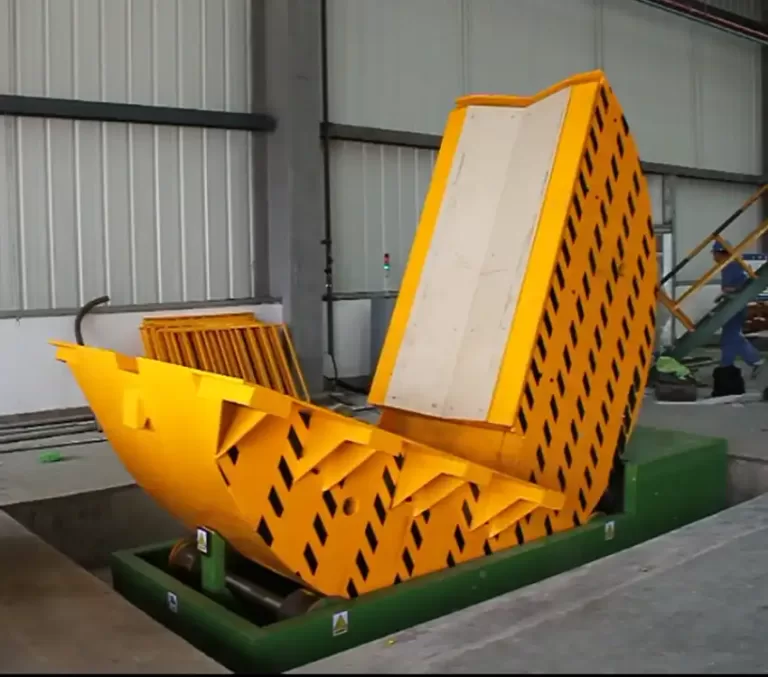
Let’s explore the specific ways in which investing in a coil upender acts as a powerful preventative measure, safeguarding both workers and the factory's operational integrity.
Eliminating Direct Human Contact with Heavy Loads
The most direct safety benefit of a coil upender is its ability to perform the rotation of massive coils without requiring human hands or bodies to be in harm's way.
- Reduced crush risk: Upenders secure the coil mechanically, performing the flip in a controlled motion, unlike manual methods where a shifting load can easily crush a limb.
- Minimizing strains and sprains: Workers no longer need to exert immense physical effort to nudge or leverage coils, preventing common musculoskeletal injuries.
- Automated positioning: The machine handles the precise positioning, reducing the chances of accidental drops or uncontrolled movements that could injure nearby personnel.
Controlled and Stable Operation
Modern coil upenders are engineered for stability and precision. They are designed to manage the weight and dynamics of heavy coils safely.
- Hydraulic or mechanical power: These systems provide smooth, consistent, and controlled rotation, removing the unpredictable elements of manual or makeshift methods.
- Secure clamping mechanisms: Coils are often clamped or cradled securely during rotation, preventing slippage or sudden movements that could lead to accidents.
- Emergency stop features: Equipped with safety interlocks and emergency stop buttons, operators can halt the process immediately if any unforeseen issue arises, further enhancing safety.
Improved Ergonomics and Worker Morale
Beyond preventing severe accidents, upenders also contribute to a healthier and more positive work environment.
- Less physical exertion: Workers are spared from strenuous physical tasks, leading to less fatigue and a reduced risk of long-term health issues.
- Higher morale: When employees feel their safety is prioritized, morale improves. This can lead to increased job satisfaction, reduced turnover, and a more engaged workforce.
- Compliance with safety regulations: Implementing such equipment helps factories meet and exceed occupational safety standards, avoiding hefty fines and legal complications.
By integrating a coil upender, factories are not just buying a machine; they are investing in a safer future for their employees and a more secure operational environment. It's a proactive step that addresses head-on the severe risks inherent in heavy coil handling. (heavy coil safety, industrial injury prevention, automated coil handling, workplace ergonomics)
3. What specific efficiency gains can a factory expect from integrating an upender into their workflow?
For any factory manager, efficiency is the heartbeat of the operation. It's not just about working hard, but working smarter. When I started FHOPEPACK, I knew that efficient processes were key to scaling a business and serving clients well. In the context of heavy industrial operations, replacing manual, labor-intensive tasks with smart automation, like a coil upender, can unlock significant efficiency gains that directly impact the bottom line.
Integrating a coil upender into a factory's workflow delivers substantial efficiency gains by automating the time-consuming and labor-intensive process of coil rotation, drastically reducing cycle times and freeing up valuable personnel. This automation leads to increased throughput, minimizes reliance on multiple workers for a single task, and reduces operational costs associated with labor and potential product damage. Ultimately, a coil upender streamlines the material handling process, boosting overall productivity and providing a clear return on investment.

Let’s delve into the tangible ways a coil upender transforms a factory's operational efficiency, moving from bottlenecks to seamless flow.
Dramatic Reduction in Processing Time
The most immediate and noticeable gain is the speed at which coils can be reoriented.
- Faster cycle times: Manual methods for flipping a heavy coil can take several minutes, often involving multiple workers and overhead cranes. An upender can complete this task in a matter of seconds, depending on the model and coil size.
- Elimination of delays: By automating this crucial step, the upender removes a common bottleneck at the end of the production line or during preparation for storage/shipping.
- Consistent performance: Unlike human workers whose speed and energy can fluctuate, an upender performs consistently, ensuring a steady pace throughout the workday.
Optimized Labor Utilization
Labor is a significant cost for any factory. An upender helps optimize this resource by reducing the need for extensive manual involvement.
- Reduced headcount for specific tasks: What might have required two, three, or even four workers to manually orient a coil can now be done by one operator overseeing the upender.
- Redeployment of personnel: The workers freed from strenuous coil handling can be reallocated to higher-value tasks, improving overall operational productivity.
- Lower labor costs: Over time, the reduction in direct labor hours dedicated to coil flipping translates into substantial savings on wages and associated benefits.
Minimized Product Damage and Rework
As I mentioned earlier, damaged products are a drain on efficiency and profitability. An upender, with its controlled and precise operation, drastically reduces this risk.
- Gentle handling: The machine cradles and rotates the coil smoothly, preventing the scrapes, dents, and edge damage common with manual methods or improper lifting.
- Improved quality: Fewer damaged products mean less time spent on rework, fewer customer complaints, and a higher percentage of first-pass quality products.
- Cost savings: Avoiding product loss directly contributes to profitability and strengthens customer relationships.
Streamlined Workflow and Integration
An upender doesn't just work in isolation; it integrates seamlessly into the broader material handling system.
- Smooth transition to packing: Once rotated, coils are in the ideal orientation for subsequent packing processes, especially for automated packing lines.
- Better material flow: It facilitates a more logical and efficient flow of materials through the plant, from production to storage to shipping.
- Calculable ROI: The combined savings from reduced labor, decreased damage, and increased throughput make the return on investment for a coil upender very clear and often rapid.
From my experience, seeing a factory switch from struggling with manual coil handling to effortlessly processing coils with an upender is like watching a light switch on. The transformation in efficiency is undeniable. (factory operational efficiency, automated material handling, labor cost reduction, production throughput improvement)
4. Beyond rotation, how does an upender contribute to better coil storage and overall operational flow?
When I consult with factory managers, I always emphasize looking at the bigger picture. A machine isn't just about its primary function; it's about how it influences the entire operational ecosystem. A coil upender does much more than simply flip a coil; it plays a crucial role in optimizing storage, enhancing safety protocols, and creating a more cohesive and efficient overall operational flow within a busy factory.
Beyond its primary function of rotating coils, an upender significantly contributes to better coil storage by preparing coils for stacking in their most stable and space-efficient orientation. This improves warehouse utilization and safety during storage. Furthermore, it enhances overall operational flow by ensuring materials are precisely presented for subsequent processes like strapping or wrapping, integrating seamlessly into automated production lines and reducing downstream bottlenecks. This comprehensive impact leads to an organized, safer, and more productive factory environment.
Let's explore the multi-faceted benefits that extend beyond the initial rotation, contributing to a truly streamlined and intelligent factory operation.
Optimized Storage Space and Safety
How coils are stored directly impacts warehouse efficiency and safety.
- Vertical stacking: Many coils, especially those for strapping or specific types of wrapping, are ideally stored vertically. The upender allows for quick and safe transition to this orientation, facilitating compact stacking.
- Improved stability: Coils stored vertically on a sturdy base are often more stable than those laid flat, especially if they need to be moved frequently. This reduces the risk of rolling or shifting.
- Easier access and inventory: Vertically stored coils can be easier to identify and access with appropriate lifting equipment, aiding in inventory management and retrieval processes.
Seamless Integration with Downstream Processes
The upender acts as a critical link in the chain, ensuring materials are perfectly prepared for the next stage.
- Preparation for packing lines: Many automated steel coil packing lines require coils in a specific orientation (often vertical) for efficient strapping, wrapping, or banding. An upender delivers them in precisely this manner, eliminating manual adjustments.
- Reduced manual intervention: By presenting the coil in the correct orientation, the need for manual adjustment or repositioning by subsequent operators is removed, further enhancing safety and speed.
- Continuous flow: It ensures a smooth, uninterrupted flow of material from the production area to the packing and storage zones, crucial for high-volume operations.
Enhanced Quality Control and Product Integrity
By minimizing unnecessary handling, the upender helps preserve the quality of the product throughout its journey.
- Reduced handling damage during transit: With coils correctly oriented for stacking and internal transport, the likelihood of incidental damage (scratches, dents) during movement between stations is greatly reduced.
- Consistent presentation: For quality inspections, having coils presented in a standardized orientation makes visual checks and measurements more consistent and reliable.
- Customer satisfaction: Delivering undamaged, perfectly packed coils significantly boosts customer satisfaction and reinforces the factory's reputation for quality.
From my years of experience, a coil upender isn't just a convenience; it's a strategic tool. It helps a factory manage its valuable space, protect its team, and ensure that every coil moves through the facility with precision, contributing to a well-oiled machine that operates safely and profitably. It’s about building an operation that is not just productive, but resilient and future-ready. (coil storage optimization, industrial material flow, automated packing integration, factory operational efficiency)
Conclusion
A coil upender is truly a game-changer for heavy industrial operations. It tackles critical challenges of safety, efficiency, and product integrity head-on, delivering significant returns. Investing in one means investing in a safer, more productive future for your steel coil packing line and overall operations.