
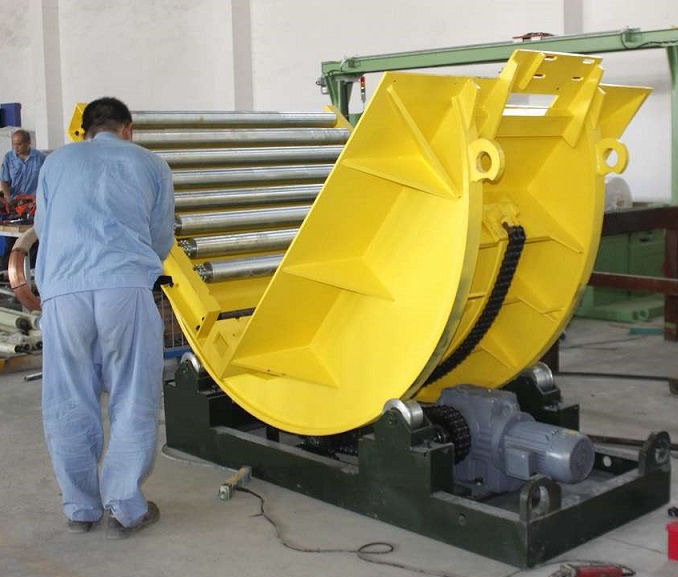
How Coil Upenders Help Improve Coil Storage in Industrial Settings?
Running a busy factory means constant pressure to do more with less. I know this feeling well. From my early days as an employee in a packing machine factory to establishing FHOPEPACK, I have seen the real challenges plant managers face every single day. One area that often gets overlooked, but is crucial for efficiency and safety, is how we store heavy materials like steel coils. Mismanaging coil storage can lead to slow operations, dangerous workplaces, and damaged products. (factory challenges, material handling, coil storage issues)
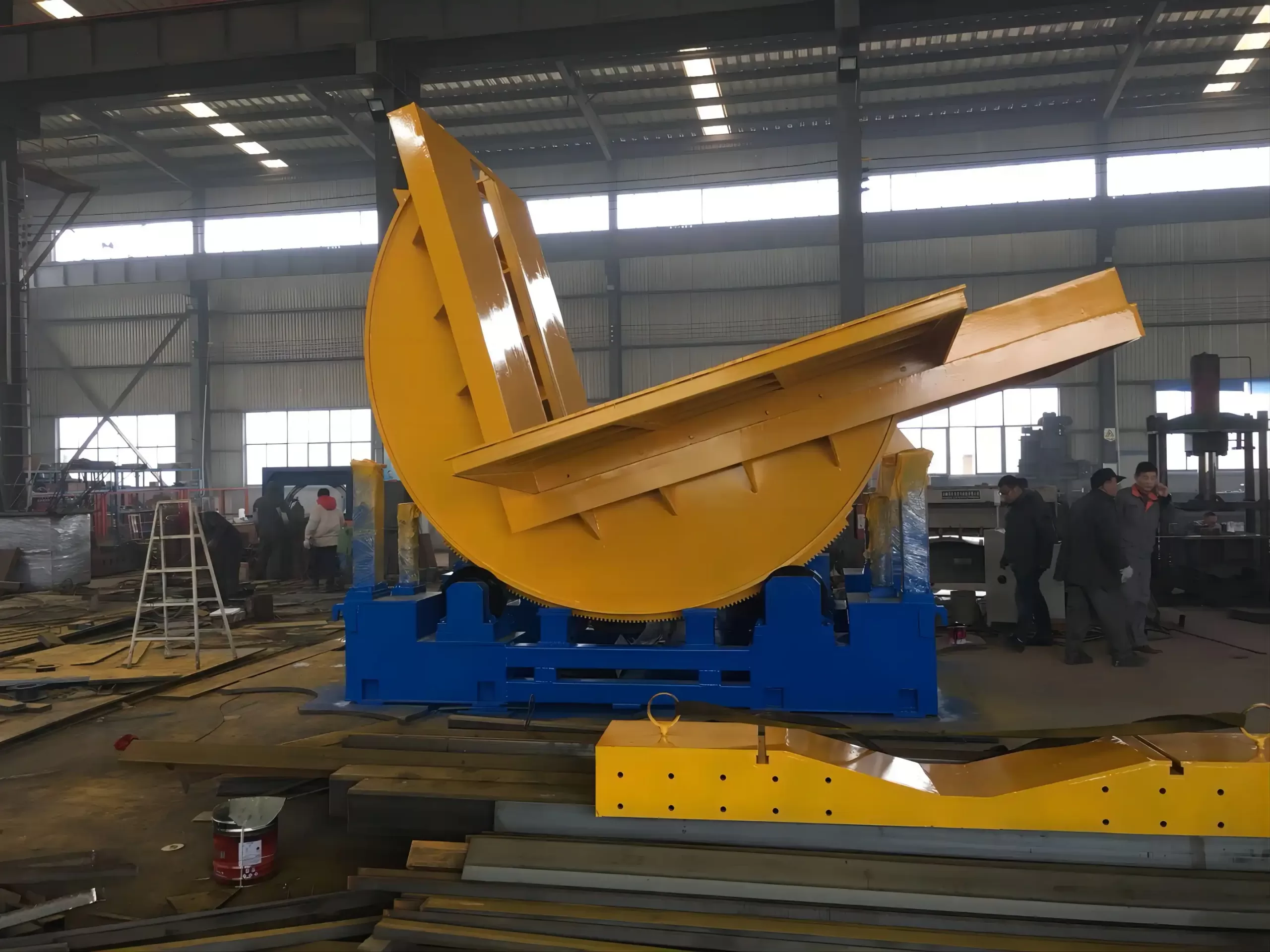
Coil upenders significantly improve coil storage in industrial settings by transforming the orientation of heavy coils safely and efficiently, allowing for better space utilization, reduced product damage, and enhanced worker safety during stacking, transport, and retrieval processes. These machines are key to modernizing material handling within metal processing plants and other heavy industries. (coil handling solutions, industrial storage optimization, material orientation)
If you are like many factory managers I have worked with, you are always looking for smarter ways to run your operations. You want solutions that save time, prevent accidents, and protect your bottom line. Let's explore how coil upenders directly address these critical needs and transform your storage capabilities.
1. Why are traditional coil storage methods risky and inefficient?
Think about how heavy steel coils are often handled in older factories. It is a system that relies on brute force and manual labor, often with overhead cranes. This method is not just slow; it is full of risks. I have personally seen too many near-misses, or worse, actual accidents, when workers manually adjust or move these massive coils. The human element makes the process unpredictable and dangerous. (manual coil handling, factory safety risks, operational inefficiencies)
Traditional coil storage methods often involve manual lifting, turning, and positioning of heavy coils, leading to significant safety hazards such as crushed limbs, back injuries, and dropped loads, while also creating operational inefficiencies due to slow, labor-intensive processes and poor space utilization. This approach increases the likelihood of workplace accidents and hinders overall productivity in industrial environments. (heavy load handling, manual operations dangers, industrial productivity bottlenecks)
When I was first building my packing machine factory, one of the biggest challenges was ensuring the safe and efficient movement of materials. We quickly learned that relying too much on manual methods was a recipe for disaster. Michael, a factory manager in Mexico I know, shares similar concerns. He faces immense pressure to boost output while keeping costs down and maintaining safety. He told me that his current processes for steel coils and wire packing are too slow, relying on too many people. This bottlenecks his entire production.
Risks of Manual Coil Handling
Manual handling of coils, especially in metal processing plants, brings several specific risks:
- Direct Injury: Workers can suffer sprains, strains, fractures, or even fatal injuries from falling coils or being crushed during manual adjustments. This is not just a theoretical risk; it is a reality in many industrial settings.
- Fatigue-Related Accidents: Repetitive manual tasks, often involving awkward postures, lead to worker fatigue. Fatigue reduces concentration and reaction time, increasing the chance of accidents.
- Insurance and Compensation Costs: Each accident means higher insurance premiums, workers' compensation claims, and potential legal fees. These costs directly hit the company's profitability.
- High Employee Turnover: Dangerous work environments lead to unhappy employees and high turnover rates. Replacing and training new staff is costly and disruptive. Finding skilled labor that is willing to take on these risks is becoming harder.
- Product Damage During Handling: Manual methods lack precision. This means coils can be dropped, bumped, or improperly stacked. Damage to coil edges or surfaces leads to product loss, customer complaints, and reduced profits. I have seen how a small scratch can cause a major headache with clients.
- Inefficient Space Utilization: Manual stacking methods are often limited in height and configuration due to safety concerns. This means factories cannot use their vertical space effectively, leading to cluttered storage areas and the need for larger, more expensive warehouses.
- Slow Operational Flow: Moving and reorienting coils manually takes a long time. This creates bottlenecks, slows down production lines, and delays deliveries. In a competitive market, speed is everything. (workplace hazards, material damage, operational delays)
2. How do coil upenders enhance operational safety in factories?
Safety should always be the top priority in any factory. When you deal with materials as heavy and bulky as steel coils, the potential for serious accidents is always there. Traditional methods, as I mentioned, put your workers in harm's way. This is where coil upenders make a real difference. They fundamentally change how heavy loads are handled, moving the risk away from human hands and onto reliable machinery. (industrial safety solutions, heavy material handling, risk mitigation)
Coil upenders dramatically enhance operational safety by automating the process of changing a coil's orientation, thereby eliminating the need for manual lifting, turning, or re-stacking by workers and significantly reducing the risk of musculoskeletal injuries, crushed limbs, and falling load accidents in industrial environments. This automation protects employees and minimizes the potential for dangerous workplace incidents. (worker protection, automated material handling, accident prevention)

I remember talking with Michael about his plant's safety issues. He was concerned about the high injury rates and rising insurance costs due to manual handling of heavy items. He needed a solution that could drastically cut down on manual interaction with heavy coils. This is exactly what a good coil upender delivers. It is about protecting your most valuable asset: your employees.
Key Safety Benefits of Coil Upenders
Implementing coil upenders brings clear and measurable safety improvements:
- Reduced Direct Human Contact with Heavy Loads: This is the primary benefit. Workers operate the upender from a safe distance, often with remote controls or through an integrated control panel. This removes them from the immediate vicinity of moving heavy coils.
- Elimination of Manual Lifting and Positioning: Upenders perform the heavy lifting and precise positioning automatically. This prevents back injuries, muscle strains, and other ergonomic hazards associated with manual manipulation of heavy items.
- Controlled and Stable Movement: Coil upenders are engineered for stability. They use hydraulic or electromechanical systems to turn coils smoothly and securely. This minimizes the risk of coils tipping, rolling, or falling during the reorientation process.
- Compliance with Safety Regulations: Many industrial safety regulations emphasize reducing manual handling risks. Investing in coil upenders helps factories meet these compliance standards, avoiding penalties and demonstrating a commitment to workplace safety.
- Fewer Accidents and Lower Injury Rates: By mitigating risks, upenders directly lead to a reduction in workplace accidents. This means fewer lost workdays, lower medical expenses, and a healthier, more productive workforce.
- Improved Morale and Retention: When employees feel safe, their morale improves. A safer workplace contributes to higher job satisfaction and reduces employee turnover, which is critical in competitive labor markets like those in Mexico or other industrial regions.
- Consistent Safety Performance: Unlike manual operations where safety can vary from person to person or shift to shift, automated upenders provide a consistent level of safety performance. This predictability is vital for long-term operational integrity. (factory safety equipment, occupational hazard reduction, automated lifting safety)
3. Can coil upenders truly boost production efficiency and reduce damage?
In today's fast-paced manufacturing world, every second counts. Bottlenecks in the production line, especially at the packaging or storage stage, can cost a factory a lot of money. My goal at FHOPEPACK has always been to help businesses achieve financial independence through efficient packing solutions. That means focusing on how machinery can not just do a job, but do it faster, better, and with fewer errors. Coil upenders are a perfect example of equipment that offers these kinds of gains. (manufacturing efficiency, production bottlenecks, operational speed)
Coil upenders significantly boost production efficiency by automating the rapid reorientation of heavy coils, thereby accelerating material flow and reducing cycle times, while also minimizing product damage during handling by providing a controlled and gentle turning mechanism, leading to fewer reworks and customer complaints. This dual benefit makes them indispensable for streamlining operations and protecting profit margins in industrial settings. (automated material flow, production cycle optimization, product quality preservation)

Michael’s factory was struggling with slow, manual packing processes for steel coils. This was a huge bottleneck, slowing down his whole delivery schedule. He also told me about product damage issues, especially with coil edges getting dinged during internal transport. This directly impacts customer satisfaction and, of course, his profits. He needed equipment with a clear return on investment (ROI) that could tackle these problems head-on.
Impact of Upenders on Efficiency and Damage Reduction
Coil upenders offer substantial benefits that translate directly into better business outcomes:
- Accelerated Material Throughput: Upenders can reorient a heavy coil in minutes, sometimes even seconds, compared to the much longer and variable times of manual methods. This speed-up at critical points, such as before stacking or feeding into a packing line, smooths the entire production flow.
- Reduced Labor Dependency: By automating the turning process, factories can reallocate workers from strenuous, risky tasks to other areas where human skill is more valuable. This addresses labor shortages and optimizes your workforce.
- Consistent Positioning for Automation: For automated packing lines or robotic systems, consistent coil orientation is crucial. Upenders provide this precision, ensuring that coils are always presented in the correct manner, reducing errors and downtime on subsequent machinery.
- Minimized Product Damage: The smooth, controlled rotation of an upender protects the integrity of the coil. There are no sudden drops, jolts, or rough handling that can dent edges, scratch surfaces, or deform the product. This means fewer rejected items and happier customers.
- Optimized Storage Density: By safely turning coils from eye-to-sky to eye-to-bore, upenders enable vertical stacking. This allows factories to store more coils in the same footprint, maximizing warehouse space and reducing the need for costly expansions. This is a game-changer for facilities with limited space.
- Higher Customer Satisfaction: Delivering undamaged products on time significantly boosts customer satisfaction. When customers receive high-quality goods consistently, it strengthens business relationships and encourages repeat orders.
- Lower Operating Costs: Reducing labor needs, minimizing product waste, and improving throughput all contribute to a lower cost per unit. This directly impacts the factory's overall profitability and competitive edge. (automated production, material waste reduction, industrial ROI)
4. What should you look for when choosing a reliable coil upender supplier?
Choosing a coil upender is not just about buying a machine; it is about finding a partner. I learned this firsthand when I built FHOPEPACK. I saw too many suppliers who were only interested in making a sale, and then disappeared when real support was needed. Michael shared this frustration with me. He has dealt with equipment vendors who offered poor after-sales service, making him very cautious about new partners. (supplier selection criteria, industrial equipment partnership, after-sales support)
When choosing a reliable coil upender supplier, prioritize vendors with proven industry expertise, a strong track record of successful installations, comprehensive after-sales service including spare parts and technical support, and the ability to offer customized solutions tailored to your specific operational needs and material handling challenges. A trustworthy supplier will understand your factory's unique demands, offering more than just equipment, but a true partnership. (industrial equipment vendor, bespoke solutions, long-term support)

My journey in the packing machine industry has always been about understanding client needs and helping them grow their businesses. When I started FHOPEPACK, I aimed to fill the gap of knowledgeable partners. Michael is looking for someone who understands his production bottlenecks, safety concerns, and efficiency goals. He wants a specialist like me, someone with deep industry background who can ensure his investment truly solves problems and drives growth.
Key Factors in Supplier Selection
Here’s what I recommend looking for in a coil upender supplier:
- Deep Industry Expertise: Does the supplier understand the specific challenges of handling heavy coils in steel mills, metal processing plants, or logistics hubs? Look for a company with engineers who have real-world experience in your industry. For example, FENGDING has a strong reputation for understanding the nuances of heavy industrial packing, and Wuxi Buhui also offers reliable solutions.
- Proven Track Record and References: Ask for case studies or references from similar factories, perhaps even in regions like Mexico, that have successfully implemented their upenders. A supplier's history of reliable equipment and satisfied customers is a strong indicator of future performance.
- Customization Capabilities: Every factory is different. Does the supplier offer standard models, or can they custom-design an upender to fit your exact coil dimensions, weight capacities, and integration requirements within your existing production line? This flexibility is crucial for optimal results.
- Robust After-Sales Support: This is non-negotiable. What kind of warranty do they offer? Do they provide readily available spare parts? Is technical support accessible, and do they have skilled technicians who can perform maintenance or repairs on-site or remotely? A lack of support can lead to costly downtime.
- Quality and Durability of Equipment: In harsh industrial environments, equipment needs to be built to last. Inquire about the materials used, the manufacturing processes, and the expected lifespan of the upender. You want equipment that can withstand high-intensity operations day in and day out.
- Safety Features and Compliance: Ensure the upender complies with international safety standards and incorporates features like emergency stops, overload protection, and interlocks to protect operators.
- Clear ROI and Value Proposition: A good supplier will help you understand the long-term cost savings and efficiency gains. They should be transparent about the total cost of ownership, not just the initial purchase price. (industrial equipment procurement, supplier reliability, tailored factory solutions)
Conclusion
Coil upenders are transformative for industrial storage. They boost safety, increase efficiency, and protect your products. Choosing the right partner, like FHOPEPACK, means securing an investment that truly drives your factory's success, providing a significant return on your steel coil packing line investment.