
Why Your Steel Mill Needs a Coil Upender for Improved Coil Handling?
Running a steel mill, especially in places like Mexico, brings unique challenges. You are constantly balancing the need for high output with strict cost controls and safety regulations. I know this pressure well. My journey from a packing machine engineer to founding FHOPEPACK has shown me how critical every piece of equipment is. If your current coil handling methods are causing bottlenecks, risking worker safety, or damaging valuable products, you are not alone. These are common struggles I've seen in many factories.
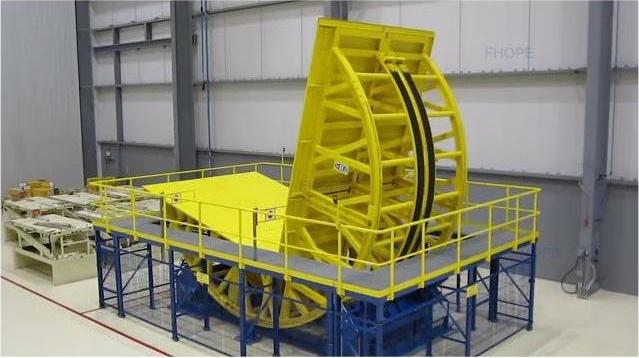
A coil upender is not just another piece of machinery; it is a fundamental tool for modern steel mills aiming to overcome these exact challenges. It efficiently changes the orientation of heavy steel coils, moving them from a horizontal "eye-to-the-sky" position to a vertical "eye-to-the-side" orientation, or vice-versa. This simple, yet powerful, function directly addresses inefficiencies, safety hazards, and product damage inherent in manual handling processes. For factory managers focused on maximizing operational flow and protecting their investments, a coil upender offers a clear path to significantly improved material handling.

You might be thinking, "Is this investment truly worth it?" Or, "How can one machine solve so many of my operational headaches?" I understand your skepticism. Many factory managers, especially those with decades of experience, have seen equipment promises fall short. But let me explain why a coil upender is different. It's about fundamental improvements to your core operations. Let's dive deeper into how this machine can transform your steel mill's efficiency, safety, and bottom line.
1. How does a coil upender significantly enhance worker safety in your steel mill?
Imagine the risks involved when your team manually handles massive steel coils. The sheer weight and awkward shape make it a high-risk task. Injuries from crushing, strains, or drops are not just possibilities; they are frequent realities in many operations. This not only harms your valuable employees but also drives up insurance costs and leads to high employee turnover. It is a problem I've seen firsthand, and it deeply concerns me.
A coil upender dramatically enhances worker safety by eliminating the need for manual intervention in repositioning heavy and awkward steel coils. By automating the process of flipping coils from horizontal to vertical, or vice-versa, it removes workers from hazardous situations involving heavy lifting, complex maneuvers, and the risk of crushing injuries. This specialized equipment handles the dangerous task, protecting your team and fostering a much safer work environment, which directly reduces workplace accidents and associated costs.

The High Cost of Manual Coil Handling
The financial and human costs of relying on manual methods for handling steel coils are often underestimated. Factory managers like Michael, who oversee entire operations, know that worker safety is paramount. Any incident can halt production, lead to investigations, and severely impact morale.
- Injury Risks:
- 🩹 Crushing Injuries: Coils can weigh several tons. A slip or mechanical failure during manual handling can have catastrophic results.
- 💪 Musculoskeletal Disorders: Repeated heavy lifting and awkward postures lead to chronic back pain, sprains, and other ergonomic injuries.
- ⚠️ Falling Objects: Improperly secured or manually handled coils can shift or fall, posing a severe threat.
- Operational Impact:
- 🛑 Production Stoppages: Accidents halt operations, leading to lost production time and missed deadlines.
- 💸 Increased Costs: Worker's compensation claims, medical expenses, and legal fees can skyrocket after an incident.
- 📉 Employee Turnover: A dangerous work environment discourages retention, leading to higher recruitment and training costs.
How Coil Upenders Create a Safer Workplace
Investing in a coil upender is a proactive step toward a safer, more compliant operation. It’s about more than just avoiding accidents; it’s about valuing your workforce.
| Safety Aspect | Manual Handling Risks | Coil Upender Benefits |
|---|---|---|
| Worker Exposure | Direct contact with heavy, moving coils | Remote operation, minimal worker interaction with the coil |
| Lifting & Flipping | Requires multiple workers, cranes, chains, and risky manual adjustments | Automated, smooth, and controlled rotation by machine |
| Stability | Potential for imbalance, drops, or uncontrolled movement | Secure clamping and controlled rotation ensures stability |
| Fatigue | High physical demand leading to worker fatigue and errors | Eliminates physical strain, reducing human error due to tiredness |
When I started my own packing machine factory, safety was a core principle. I saw how automation, even for seemingly simple tasks like reorienting coils, could transform a workplace. It's not just about compliance; it’s about creating a sustainable and ethical manufacturing environment. By removing the most dangerous tasks from human hands, a coil upender allows your team to focus on other, safer, and more value-adding aspects of production. (Coil safety, material handling risks, industrial safety solutions)
2. Can a coil upender truly optimize your production efficiency and throughput?
Your steel mill's output is directly tied to the efficiency of every step in your process, especially at the end of the line. If your coil packaging and handling rely heavily on manual labor, you're likely facing significant bottlenecks. I've witnessed factories where the speed of coil production is fantastic, but then the final stages of reorientation and packing grind to a halt because of slow, labor-intensive methods. This directly impacts delivery times and overall productivity.
Yes, a coil upender can absolutely optimize your production efficiency and throughput by transforming what is often a slow, labor-intensive bottleneck into a smooth, automated process. By rapidly and precisely reorienting steel coils, it eliminates delays associated with manual lifting, crane operations, and repositioning. This automation allows for a continuous flow of materials, reducing idle time between production stages and significantly speeding up the overall packing and shipping process, thus boosting your steel mill's output capacity.

Breaking Down Production Bottlenecks
Manual coil handling is a primary culprit behind production slowdowns. Consider a factory manager like Michael, who needs to boost output. He faces constant pressure to increase production volume and meet delivery schedules.
- Manual Handling Delays:
- ⏳ Time-Consuming: Each coil repositioning takes considerable time, involving cranes, slings, and precise manual guidance.
- 👨🏭 Labor-Intensive: Requires multiple workers, pulling them away from other critical tasks.
- 🗓️ Inconsistent Speed: Performance varies with worker fatigue, skill level, and shift changes.
- Impact on Throughput:
- 📉 Reduced Output: Slower handling directly limits the number of coils that can be processed per hour or day.
- ⏱️ Increased Cycle Times: The entire production cycle lengthens, affecting lead times and customer satisfaction.
- 🛑 Logistical Hurdles: Bottlenecks at the handling stage create backlogs for subsequent packaging and shipping operations.
How Upenders Streamline Your Operations
A coil upender introduces a level of automation and precision that manual methods simply cannot match. It is designed for continuous, high-volume operation.
- Key Efficiency Drivers:
- ⚡ Speed: Completes the coil reorientation process in minutes, not tens of minutes.
- 🤖 Automation: Requires minimal operator interaction, freeing up labor for other tasks.
- 🔄 Smooth Transition: Provides a seamless transfer between production stages (e.g., from rolling mill to packaging line).
- ⚙️ Consistent Performance: Operates at a steady, predictable pace, ensuring reliable throughput.
Let me share a quick insight. When I was building my packing machine business, I learned that even a small improvement in throughput at the end of the line can have a massive ripple effect upstream. It allows the entire factory to run more smoothly and push more products out the door. For instance, in a busy Mexican steel mill aiming for higher output, upgrading to an automated coil upender could mean the difference between struggling to meet demand and confidently exceeding it. It reduces wasted motion and optimizes the flow of your most valuable products. (Coil handling efficiency, steel mill throughput, automation in manufacturing, production bottlenecks)
3. What tangible cost savings and ROI can a coil upender offer your operations?
Every investment in industrial equipment must justify itself with a clear return. For a factory manager like Michael, simply buying a machine isn't enough. He needs to see how it will lower operating costs, reduce losses, and ultimately improve the factory's profitability. The initial cost of a coil upender might seem significant, but when you look at the long-term savings, the picture changes dramatically.
A coil upender offers significant tangible cost savings and a strong return on investment (ROI) by drastically reducing labor expenses, minimizing product damage, and decreasing insurance premiums related to workplace injuries. By automating heavy lifting and repositioning tasks, it cuts down on the need for multiple workers and specialized lifting equipment. Furthermore, the precise and secure handling prevents costly damage to valuable steel coils, directly impacting your bottom line. These combined savings quickly offset the initial investment, making a coil upender a financially sound decision for any steel mill.

Unpacking the Financial Benefits
The financial benefits of a coil upender extend far beyond simple efficiency gains. They touch several critical areas of your balance sheet.
- Reduced Labor Costs:
- 💵 Fewer Workers: Automating the flipping process means fewer personnel are required for coil handling tasks. This allows you to reallocate labor to other high-value areas or reduce overall staffing needs.
- 📈 Lower Overtime: More efficient processes mean less reliance on costly overtime to meet production targets.
- Minimized Product Damage:
- 📉 Reduced Scrap: Manual handling, especially with cranes and slings, often leads to dents, scratches, or edge damage on steel coils. An upender offers controlled, gentle handling, drastically reducing product defects and scrap rates.
- 🤝 Fewer Customer Complaints: Protecting product integrity means happier customers and fewer returns or claims, enhancing your brand reputation and repeat business.
- Decreased Safety-Related Expenses:
- 🏥 Lower Insurance Premiums: A safer workplace with fewer incidents can lead to reduced worker's compensation and liability insurance costs.
- ⚖️ Avoided Legal Fees: Preventing severe injuries helps avoid costly legal battles and regulatory fines.
Calculating Your ROI
Determining the ROI for a coil upender involves looking at these multifaceted savings. I've helped many clients, from coil packing to steel wire packing, identify these savings.
| Cost Category | Manual Handling Impact | Coil Upender Impact | Annual Savings Potential |
|---|---|---|---|
| Labor | High wage costs for multiple handlers + overtime | Reduced staffing needs, optimized labor allocation | Substantial |
| Product Loss | High scrap rates, rework, customer returns | Minimal damage, improved quality, less waste | Significant |
| Insurance/Safety | High premiums, medical costs, legal fees for injuries | Lower premiums, fewer incidents, safer environment | Noticeable |
| Operational Downtime | Production halts due to accidents/inefficiency | Continuous operation, minimal disruption | Considerable |
| Maintenance (Current) | Wear and tear on cranes, slings, forklifts from heavy lifting | Focused maintenance on one specialized, durable machine | Moderate |
Consider a steel processing plant in Mexico. If they are losing even 1% of their high-value steel coils to damage during handling, and incurring significant safety costs, the investment in a robust coil upender like those from Fengding, a leading choice I've seen, or Wuxi Buhui, can pay for itself surprisingly quickly. It’s not just about spending; it’s about smart spending that drives long-term profitability and sustainable growth for your business. (Coil upender ROI, cost reduction steel mill, labor cost savings, product damage prevention)
4. How do coil upenders safeguard product quality and minimize costly damage during handling?
Maintaining product quality is crucial for customer satisfaction and your reputation. When you're dealing with heavy and delicate products like steel coils, any mishandling during internal transfers or packing can lead to scratches, dents, or edge damage. This isn't just a minor cosmetic issue; it translates directly into customer complaints, product rejections, and significant financial losses. Michael's concern about product loss is completely valid. It's a silent killer of profits.
Coil upenders are engineered to safeguard product quality and minimize costly damage by providing precise, controlled, and gentle handling of steel coils. Unlike manual methods or general-purpose lifting equipment that can cause dents, scratches, or deformation, these specialized machines securely clamp the coil and execute a smooth, hydraulic-powered rotation. This controlled movement eliminates impacts, prevents abrasions, and maintains the structural integrity and surface finish of the coil, ensuring that your valuable product reaches the customer in pristine condition.

The Perils of Improper Coil Handling
Damaged products are a direct assault on your profitability and brand image. This often comes from a few common issues:
- Risk Factors for Coil Damage:
- 💥 Impact Damage: Using forklifts or cranes with chains/slings often results in coils colliding with other objects or even the floor if dropped.
- 🔪 Edge Deformation: The edges of steel coils are particularly vulnerable to bending or creasing during manual flipping or when subjected to uneven pressure.
- поверхности Surface Scratches: Abrasions can occur if coils are dragged, mishandled, or come into contact with rough surfaces.
- ⛌ Improper Stacking: Incorrect orientation or unstable stacking post-handling can lead to coils rolling or falling, causing damage.
- Consequences of Damage:
- 💔 Customer Rejection: Damaged goods are often rejected by customers, leading to rework or complete loss.
- 💸 Financial Loss: Cost of materials, manufacturing, and shipping for damaged products is absorbed by the producer.
- Reputation Eroded Trust: Consistent delivery of damaged products damages your reputation and makes it harder to secure future orders.
Precision Handling for Pristine Products
A coil upender is a precision tool for material handling. Its design specifically addresses the vulnerabilities of steel coils.
- How Upenders Protect Quality:
- 🔒 Secure Clamping: Coils are firmly secured within the upender's cradle or platform, preventing shifting or accidental drops during rotation.
- ⚙️ Controlled Rotation: Hydraulic or electric motors ensure a smooth, slow, and predictable rotation, avoiding sudden movements or impacts.
- ✨ Non-Damaging Surfaces: Contact points are often designed with protective materials or contoured to fit the coil shape, preventing surface marks.
- 📏 Accurate Positioning: Delivers the coil in the exact desired orientation, ready for the next stage (e.g., packaging line or storage), minimizing further handling risks.
From my experience in coil packing and steel wire packing, I learned that preventing damage is always cheaper than fixing it. I recall working with a client who had persistent issues with coil edge damage, leading to endless customer complaints. We implemented an automated upending solution, and within months, their damage rates dropped dramatically. This not only saved them money but also significantly improved their relationship with their buyers. For operations in Mexico, where transport and logistics can be complex, ensuring pristine product condition before it even leaves the factory is paramount. It protects your investment and ensures your steel coils meet the highest quality standards upon arrival. (Steel coil quality, product damage prevention, precision handling, material integrity)
Conclusion
Investing in a coil upender is a strategic decision that tackles core operational challenges in steel mills. It boosts safety, enhances efficiency, delivers clear cost savings, and ensures product quality. This comprehensive solution directly addresses the needs of factory managers seeking growth and reliability for their steel coil packing line.