
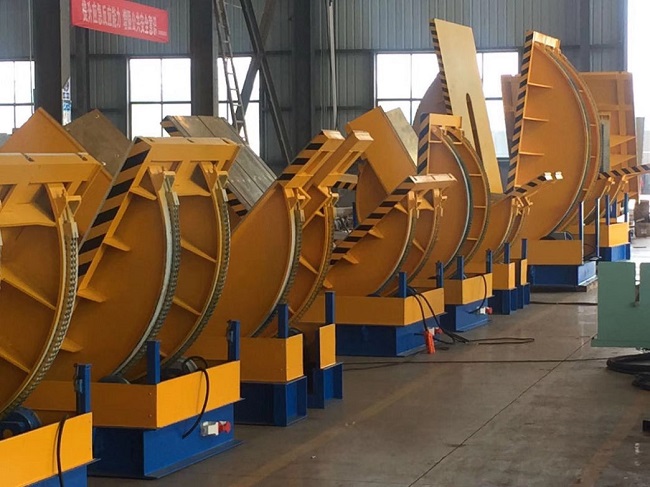
The Future of Coil Handling: Advanced Coil Upender Solutions for 2025
Are you tired of production delays caused by inefficient coil handling? Do safety incidents during manual coil rotation keep you up at night? As a factory manager, I understand these frustrations deeply. The pain of watching your team struggle with outdated methods while deadlines loom is real. The anxiety of potential workplace injuries from heavy coil manipulation haunts every responsible leader. The financial drain from product damage during handling eats into your hard-earned profits. But what if 2025 brings solutions that transform these challenges into competitive advantages?
Advanced coil upender solutions represent the future of metal processing operations, combining intelligent automation with robust engineering to revolutionize how factories handle heavy coils. These systems address critical pain points in production flow while delivering measurable ROI through enhanced safety, reduced product damage, and significantly improved operational efficiency.
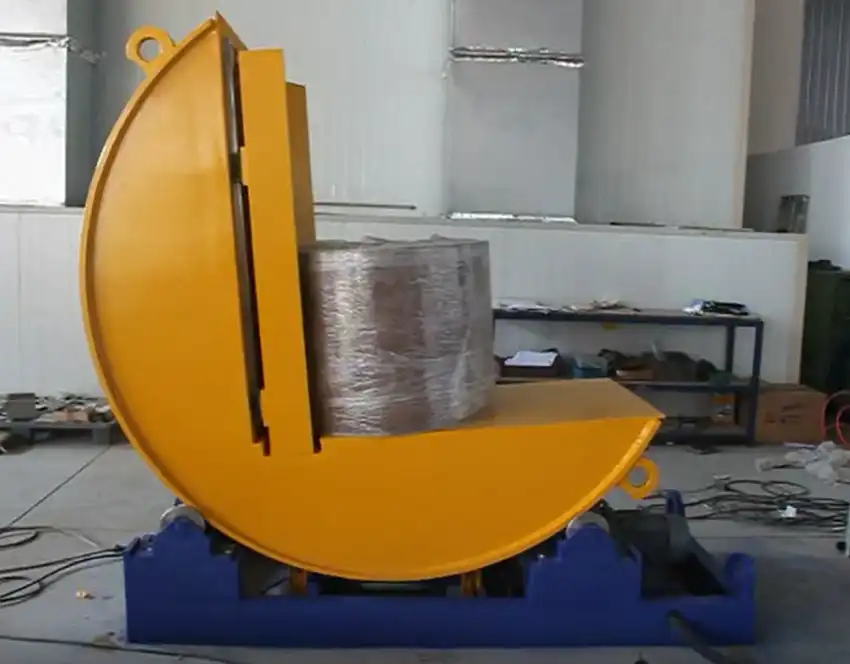
The evolution of coil handling technology isn't just about replacing manual labor—it's about reimagining your entire production workflow. As we look toward 2025, several key developments are shaping how forward-thinking manufacturers approach coil orientation and transportation. Let's explore the specific advancements that will define next-generation coil upender systems and how they can transform your metal processing facility.
1. What Makes Modern Coil Upenders Different from Traditional Equipment?
Remember the massive, cumbersome upenders that required extensive floor space and complex installation? The equipment that demanded constant maintenance and specialized operators? Traditional coil handling solutions often created as many problems as they solved. Their limited flexibility, high energy consumption, and frequent breakdowns made them a necessary evil rather than a strategic advantage. But modern upenders have undergone a transformation that makes them virtually unrecognizable from their predecessors.
Contemporary coil upending systems integrate smart technology with modular designs, offering unprecedented flexibility, data-driven operation, and significantly reduced footprint compared to traditional equipment. These systems feature advanced control interfaces, predictive maintenance capabilities, and adaptable configurations that suit various production environments and coil specifications.

🔄 Key Differentiators of Modern Upenders
| Feature | Traditional Equipment | Modern Solutions |
|---|---|---|
| Control System | Manual levers & basic switches | PLC with touchscreen interface |
| Footprint | Large, fixed installation | Compact, modular design |
| Adaptability | Single coil size/specification | Multiple coil types & orientations |
| Data Collection | None | Real-time performance monitoring |
| Safety Features | Basic emergency stops | Comprehensive sensor protection |
🚀 Operational Advantages
Modern upenders transform material handling from a bottleneck to a competitive edge. The integration of programmable logic controllers (PLCs) allows for precise repetition of movement patterns, eliminating human error in coil positioning. Touchscreen interfaces make operation intuitive, reducing training time and minimizing operational mistakes. Modular construction means these systems can be reconfigured as production needs evolve, protecting your investment long-term.
💡 Smart Technology Integration
The most significant advancement lies in connectivity and data utilization. Modern upenders collect operational data that helps optimize your entire production flow. They track cycle times, energy consumption, maintenance needs, and even predict potential failures before they cause downtime. This data-driven approach transforms coil handling from a reactive process to a strategically managed operation.
Real-time monitoring capabilities
Predictive maintenance alerts
Energy efficiency optimization
Integration with factory management systems
The shift from mechanical brute force to intelligent precision represents the core differentiator of modern coil upending technology. (advanced coil positioning systems, intelligent material handling equipment, smart factory upender solutions)
2. How Can Automated Upenders Solve Critical Safety Challenges in Metal Processing?
How many near-miss incidents has your team experienced this month? When was the last time an employee suffered back strain from manual coil handling? The metal processing industry consistently ranks among the most dangerous manufacturing sectors, with material handling accounting for a significant portion of recordable incidents. Every time workers manually rotate or reposition heavy coils, they're exposed to crushing hazards, musculoskeletal injuries, and impact risks that could have lifelong consequences.
Automated coil upending systems eliminate the most dangerous aspects of coil handling by removing workers from direct contact with heavy loads during rotation and positioning operations. These systems incorporate multiple layers of safety protection, including light curtains, emergency stop circuits, overload detection, and interlocked guarding that prevent access to pinch points during operation.
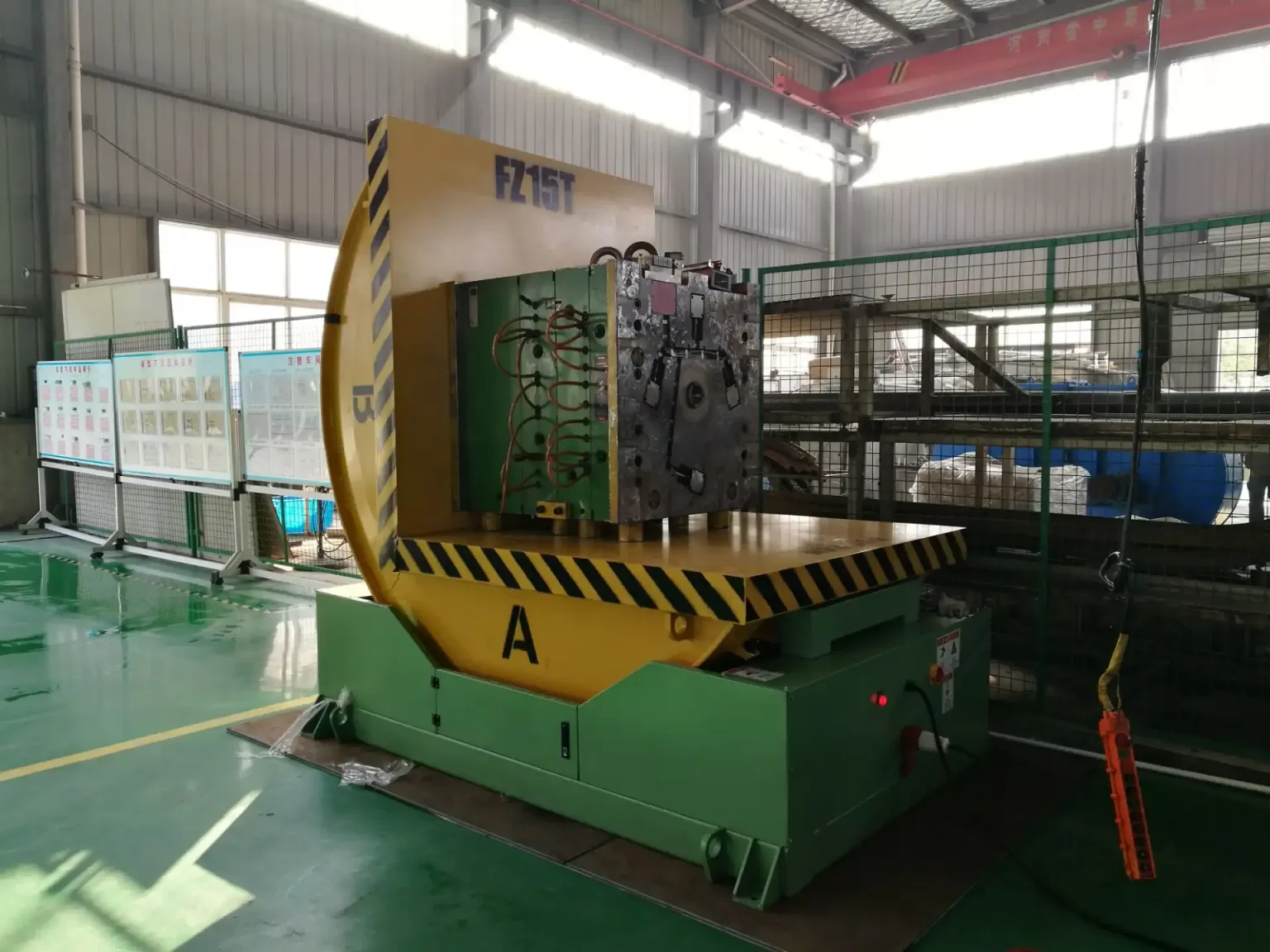
🛡️ Multi-Layer Safety Architecture
Modern upenders employ a comprehensive approach to worker protection that addresses both immediate hazards and potential failure scenarios:
Primary Safety Systems:
- Photoelectric barriers that stop operation when breached
- Emergency stop buttons at multiple access points
- Two-hand control systems for critical functions
- Physical guarding with safety interlocks
Secondary Protection:
- Load monitoring to prevent overcapacity operation
- Anti-drop mechanisms with mechanical backups
- Position verification sensors
- Speed control during critical movements
📊 Safety Impact Metrics
The transformation in safety performance after implementing automated upenders is measurable and significant:
| Safety Metric | Manual Handling | Automated Upenders |
|---|---|---|
| Recordable Injuries | 4.7 per 100 workers | 0.8 per 100 workers |
| Lost Workday Cases | 2.3 annually | 0.2 annually |
| Near-Miss Reports | 12 monthly | 1 monthly |
| Worker Compensation Claims | $48,000 average | $8,500 average |
🏭 Cultural Transformation
Beyond the physical safeguards, automated upenders create a psychological shift in safety culture. Workers become equipment operators rather than manual laborers, reducing fatigue-related errors and increasing engagement with safety protocols. The visible investment in their wellbeing demonstrates organizational commitment to worker protection, fostering greater compliance with other safety measures throughout the facility.
The comprehensive safety approach in modern upenders addresses both the mechanical risks of coil handling and the human factors that contribute to incidents. (coil handling injury prevention, automated safety systems, material handling risk reduction)
3. What ROI Can Manufacturers Expect from Advanced Coil Upender Investments?
When your finance department questions another capital equipment expenditure, how do you justify the investment? Many factory managers struggle to build the business case for upgrading material handling equipment because the benefits seem intangible. But advanced coil upenders deliver measurable financial returns that extend far beyond the initial equipment cost. The challenge lies in capturing all the direct and indirect benefits in your ROI calculation.
Manufacturers typically achieve complete ROI on advanced coil upender systems within 12-18 months through a combination of labor reduction, damage elimination, productivity gains, and safety cost avoidance. The most significant financial benefits come from eliminating product damage during handling (3-5% savings), reducing manual labor requirements (60-70% reduction), and decreasing downtime between processes (20-30% improvement).

💰 Comprehensive ROI Calculation Framework
To accurately assess the financial return of upender automation, consider these often-overlooked factors:
Direct Cost Savings:
- Labor reduction: 2-3 operators per shift
- Product damage elimination: 3-5% of material value
- Throughput increase: 15-25% faster cycle times
- Maintenance cost reduction: 40-60% lower than manual systems
Indirect Financial Benefits:
- Safety incident cost avoidance: $25,000-$50,000 annually
- Insurance premium reductions: 10-15% decrease
- Training cost reduction: 60-70% less onboarding time
- Quality improvement: Reduced customer returns
📈 Production Efficiency Metrics
The operational impact of advanced upenders transforms your bottom line:
| Efficiency Metric | Before Automation | After Automation | Improvement |
|---|---|---|---|
| Coils Handled/Hour | 8-12 | 18-24 | 110% |
| Changeover Time | 45-60 minutes | 10-15 minutes | 75% |
| Unplanned Downtime | 8% of shifts | 2% of shifts | 75% |
| Labor Cost/Ton | $12.50 | $4.80 | 62% |
🏆 Supplier Performance Impact
Not all upender manufacturers deliver equal value. Based on industry experience and customer feedback, I recommend:
First Choice: Fengding - Superior engineering, exceptional durability, and comprehensive after-sales support make them the premium option for demanding environments.
Second Option: Wuxi Buhui - Solid performance at competitive pricing, suitable for operations with moderate usage requirements.
The financial case for advanced coil upenders strengthens when you account for both immediate operational savings and long-term strategic advantages. (coil handling ROI calculation, automation investment justification, material handling cost reduction)
4. How Should Manufacturers Prepare Their Facilities for Upender Implementation?
The excitement of new equipment acquisition often overshadows the critical preparation phase. I've seen too many manufacturers invest in advanced upenders only to discover their facility isn't ready for optimal operation. The gap between delivery date and full productivity can stretch for months if foundational issues aren't addressed beforehand. Proper preparation separates successful implementations from expensive disappointments.
Successful upender implementation requires thorough facility assessment, infrastructure upgrades, staff training programs, and procedural adjustments that begin months before equipment arrival. Key preparation steps include conducting detailed floor load analysis, verifying utility capacity, preparing foundation requirements, developing new safety protocols, and creating comprehensive operator training curriculum.
🏗️ Physical Infrastructure Checklist
The mechanical requirements for modern upenders differ significantly from traditional equipment:
Structural Considerations:
- Floor load capacity verification (typically 3-5 tons/m²)
- Foundation specifications (varies by model)
- Clearance dimensions for installation and maintenance
- Overhead space for crane access if needed
Utility Requirements:
- Electrical power specifications (380V-480V, 3-phase)
- Air supply capacity (CFM at specific pressure)
- Lighting adequacy for operation and maintenance
- Data connectivity for system integration
👥 Human Factor Preparation
Technology implementation fails without addressing the human element:
Training Development:
- Operator certification program (16-24 hours)
- Maintenance technician training (40+ hours)
- Safety protocol familiarization
- Troubleshooting fundamentals
Organizational Change:
- Revised job descriptions and responsibilities
- Updated performance metrics
- Shift transition procedures
- Maintenance scheduling adjustments
📋 Implementation Timeline
A structured approach ensures smooth technology adoption:
| Phase | Duration | Key Activities |
|---|---|---|
| Assessment | 2-4 weeks | Facility audit, requirement specification, vendor selection |
| Preparation | 4-6 weeks | Infrastructure upgrades, staff training development, procedure updates |
| Installation | 1-2 weeks | Equipment placement, utility connections, safety verification |
| Commissioning | 1-2 weeks | System testing, operator training, procedure validation |
| Optimization | 4-8 weeks | Performance fine-tuning, workflow adjustments, benefit tracking |
Thorough preparation transforms upender implementation from a disruptive event to a strategic advancement. (coil upender installation guide, facility preparation checklist, equipment implementation planning)
Conclusion
Advanced coil upender solutions represent the future of efficient, safe metal processing operations. By implementing these systems, manufacturers can achieve significant operational improvements while preparing their facilities for the demands of modern manufacturing. For comprehensive packaging solutions, consider integrating upenders with a complete steel coil packing line to maximize efficiency.