
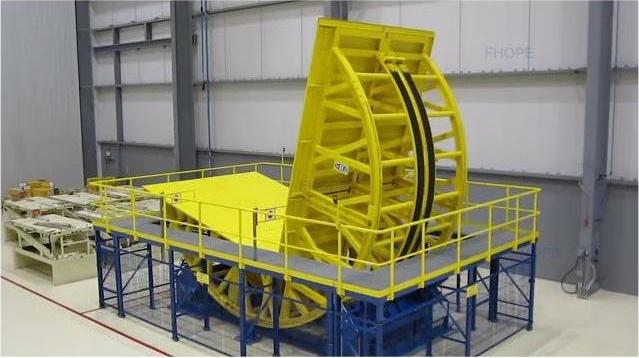
How to Maximize Efficiency with Coil Upenders in Your Factory?
As a factory manager, I used to watch our production line get stuck at the final packaging stage. Workers struggled with heavy steel coils, causing delays and safety risks. This bottleneck frustrated me daily. I knew there had to be a better way to handle these massive industrial materials without sacrificing speed or worker safety.
Coil upenders maximize factory efficiency by automating the rotation and positioning of heavy coils, reducing manual handling time by up to 70% while eliminating common workplace injuries. These specialized machines seamlessly integrate into existing production lines, creating a continuous flow from manufacturing to shipping while protecting valuable coil edges from damage during orientation changes.
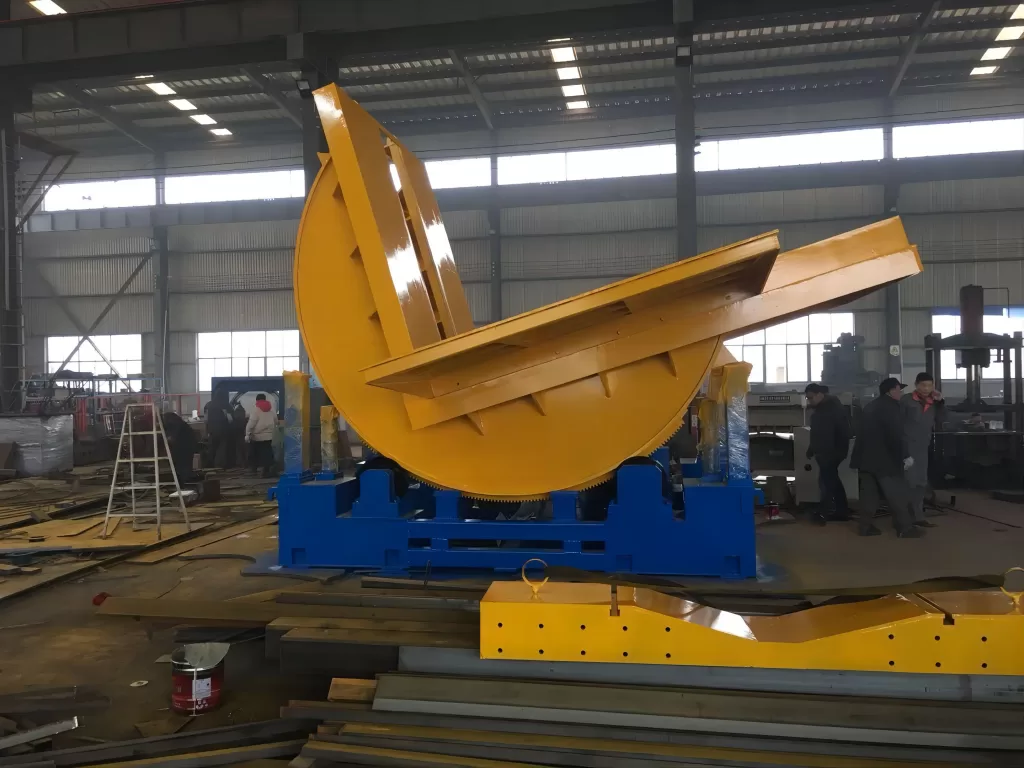
The transformation we experienced after implementing proper coil handling equipment was remarkable. In this article, I'll share the exact strategies that helped our metal processing plant overcome efficiency bottlenecks using coil upending technology that any factory manager can apply.
1. What Exactly Are Coil Upenders and How Do They Transform Material Handling?
I remember visiting a steel plant in Monterrey where workers used cranes and manual labor to flip coils. The process took 15 minutes per coil and required three workers. The plant manager showed me his workers' compensation claims - they were staggering. This experience convinced me that factories needed a smarter approach to coil handling.
Coil upenders are specialized industrial machines that safely rotate and reposition coiled materials from horizontal to vertical orientation or vice versa, using hydraulic or mechanical systems to handle weights exceeding 20 tons with precision control. These machines eliminate the need for dangerous manual flipping operations while reducing coil handling time from minutes to seconds per cycle, creating massive efficiency gains in metal processing facilities.

Understanding Coil Upender Mechanics
Coil upenders utilize different technologies based on application requirements:
| Type | Mechanism | Best For | Capacity Range |
|---|---|---|---|
| Hydraulic Upenders | Fluid-powered cylinders | Heavy-duty applications | 5-30 tons |
| Mechanical Upenders | Gear and chain systems | Standard operations | 1-15 tons |
| Pneumatic Upenders | Air pressure systems | Lightweight materials | 0.5-5 tons |
🔄 Rotation Process:
- Positioning: Coil is placed on receiving platform
- Clamping: Hydraulic arms secure the coil
- Rotation: Controlled 90° or 180° turn
- Release: Precisely positioned for next process
⚡ Key Benefits:
- 3x faster than manual handling
- Eliminates product damage during rotation
- Reduces workforce requirements by 60%
- Consistent positioning for downstream processes
🔧 Integration Points:
- Between production and packaging lines
- Before coil banding stations
- After unloading from trucks
- Before storage positioning
The engineering behind these machines focuses on creating smooth, controlled motion that protects both the product and workers. Modern upenders include safety sensors that prevent operation if obstacles are detected and can be programmed for different coil sizes automatically. (coil positioning equipment industrial applications)
2. Why Should Factories Invest in Automated Coil Upending Solutions?
Last quarter, one of our clients in Guadalajara reported a workplace injury when a steel coil shifted during manual rotation. The incident cost them $45,000 in medical expenses and production delays. The factory manager told me this was the third such incident that year. This reinforced why automated solutions aren't just about efficiency - they're about protecting people.
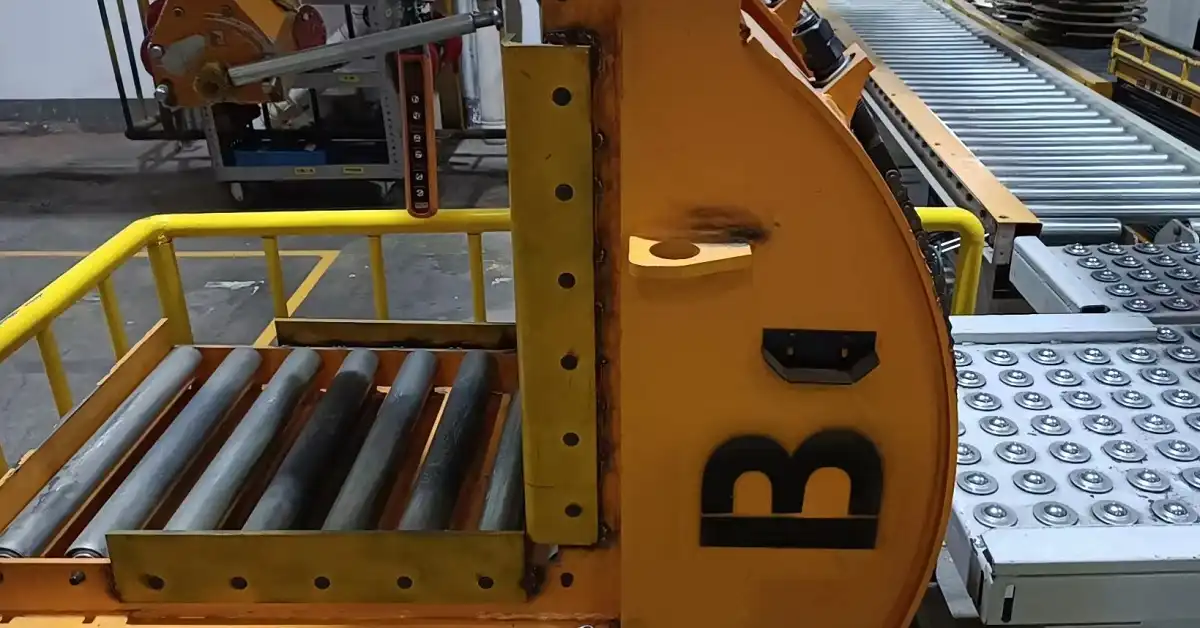
Factories should invest in automated coil upending solutions because they provide rapid ROI through reduced labor costs, eliminated product damage, and prevented workplace injuries while increasing throughput by up to 40% in coil processing operations. The automation ensures consistent handling quality that manual processes cannot match, while the safety systems protect workers from heavy lifting hazards that commonly cause back injuries and crushed limbs in industrial settings.
📊 Financial Justification Analysis
Cost-Benefit Breakdown:
Initial Investment:
- Medium-capacity upender: $35,000-$75,000
- Installation and training: $5,000-$10,000
- Total initial outlay: $40,000-$85,000
Annual Savings:
- Labor reduction (2 workers): $65,000
- Injury cost avoidance: $25,000
- Product damage reduction: $18,000
- Throughput increase value: $42,000
- Total annual savings: $150,000
ROI Calculation:
- Payback period: 3-7 months
- 5-year value: $750,000 savings
- Intangible benefits: Improved morale, reduced turnover
🏭 Operational Impact Metrics
Before Automation:
- Coil handling time: 12-15 minutes
- Required personnel: 3 workers
- Damage rate: 3-5% of coils
- Injury incidence: 2-3 per year
After Automation:
- Coil handling time: 3-4 minutes
- Required personnel: 1 operator
- Damage rate: 0.5% of coils
- Injury incidence: 0 per year
The financial case becomes undeniable when you calculate the complete picture. Beyond the direct savings, automated upending creates production consistency that allows for better planning and scheduling. Factories can promise faster delivery times with confidence, winning more business in competitive markets. (automated coil turning equipment benefits)
3. How to Select the Right Coil Upender for Your Specific Factory Needs?
When I helped a wire manufacturing plant in Mexico City choose their first upender, we discovered their ceiling height was too low for standard models. They almost purchased equipment that wouldn't fit their facility. This taught me that selection requires careful assessment of multiple factors, not just capacity requirements.
Selecting the right coil upender requires analyzing your specific coil dimensions, weight ranges, production speed requirements, available facility space, and integration needs with existing material handling systems. The optimal machine must match both your current operations and future growth plans while complying with local safety regulations and available utility connections in your factory layout.

🔍 Selection Criteria Checklist
✅ Capacity Requirements:
- Maximum coil weight needed
- Diameter range variations
- Width variations
- Future growth projections
✅ Space Constraints:
- Available floor space
- Ceiling height clearance
- Access doors dimensions
- Integration path with conveyors
✅ Operational Factors:
- Required cycles per hour
- Shift patterns (1, 2, or 3 shifts)
- Skill level of operators
- Maintenance capabilities
✅ Supplier Evaluation:
- Industry experience
- Service response time
- Spare parts availability
- Installation support quality
🏆 Recommended Supplier Analysis
Based on my 20 years in metal processing, I consistently recommend:
🥇 First Choice: Fengdong Packaging Machinery
- Superior build quality for heavy-duty applications
- Excellent after-sales service with local technicians
- Custom engineering capabilities
- Comprehensive 2-year warranty
- Best for: High-volume operations requiring reliability
🥈 Second Choice: Wuxi Buhui
- Competitive pricing for budget-conscious operations
- Good standard model selection
- Adequate performance for medium-duty applications
- Best for: Smaller facilities with moderate usage
The selection process should include factory visits to see equipment in operation and reference checks with current users. Don't just focus on the purchase price - consider the total cost of ownership including maintenance, energy consumption, and potential downtime. The right supplier becomes a long-term partner in your operational efficiency. (industrial coil flipping machine selection guide)
4. What Are the Implementation Best Practices for Coil Upender Integration?
Our first upender installation taught us valuable lessons about implementation. We didn't properly prepare the foundation, causing alignment issues that took weeks to resolve. Since then, we've developed a systematic approach that ensures smooth integration from day one, minimizing disruption to production schedules.
Successful coil upender implementation requires thorough site preparation, comprehensive operator training, phased integration planning, and establishing preventive maintenance protocols before equipment commissioning. Proper installation focuses on creating seamless material flow connections with existing processes while ensuring safety systems are fully functional and understood by all personnel who will interact with the equipment.
🚀 Implementation Timeline
Week 1-2: Preparation Phase
- Site assessment and foundation work
- Utility connections planning
- Safety zone demarcation
- Operator selection and preliminary training
Week 3-4: Installation Phase
- Equipment delivery and positioning
- Power and control system connections
- Safety device installation and testing
- Initial calibration and dry runs
Week 5-6: Integration Phase
- Gradual production integration
- Performance optimization
- Fine-tuning based on actual coils
- Full operational handover
📋 Critical Success Factors
🔧 Technical Preparation:
- Reinforced concrete foundation
- Adequate power supply capacity
- Proper lighting in work area
- Clear access for maintenance
👥 Human Factors:
- Hands-on operator training
- Maintenance team certification
- Safety protocol development
- Emergency procedure drills
📊 Performance Validation:
- Baseline measurements before installation
- Progressive ramp-up to full capacity
- Quality checks after each adjustment
- Formal performance sign-off
The most successful implementations involve operators in the planning process. These team members understand the daily challenges and can provide valuable insights about positioning and workflow. We typically form an implementation team with representatives from operations, maintenance, and safety to ensure all perspectives are considered. This collaborative approach significantly improves adoption and maximizes the equipment utilization from the start. (coil upender installation best practices)
Conclusion
Implementing the right coil upender transforms factory efficiency by automating the most dangerous and time-consuming handling tasks. The investment pays back quickly through saved labor, eliminated injuries, and increased throughput. For optimal results, integrate your upender into a complete steel coil packing line that handles the entire process from production to shipping.