
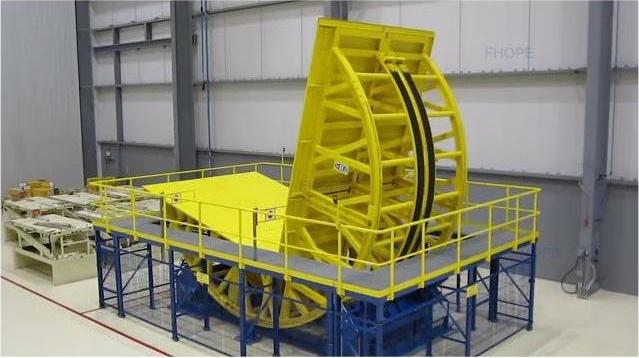
The Best Coil Upender Machines for Heavy-Duty Applications in Steel Mills
As a packing machine engineer who has worked in steel mills for over two decades, I've seen firsthand how the right equipment can transform operations. When I first started working in a packing machine factory, I witnessed steel plants struggling with manual coil handling methods that caused production delays and safety incidents. These experiences drove me to establish FHOPEPACK and develop solutions that address the real challenges faced by metal processing facilities.
The best coil upender machines for heavy-duty applications in steel mills combine robust construction, precise hydraulic control systems, and intelligent safety features to handle the demanding requirements of metal processing environments. These machines must withstand continuous operation while maintaining positioning accuracy and protecting both workers and valuable coils from damage. After testing numerous upenders across different steel mill applications, I've identified key factors that separate exceptional performers from mediocre options.
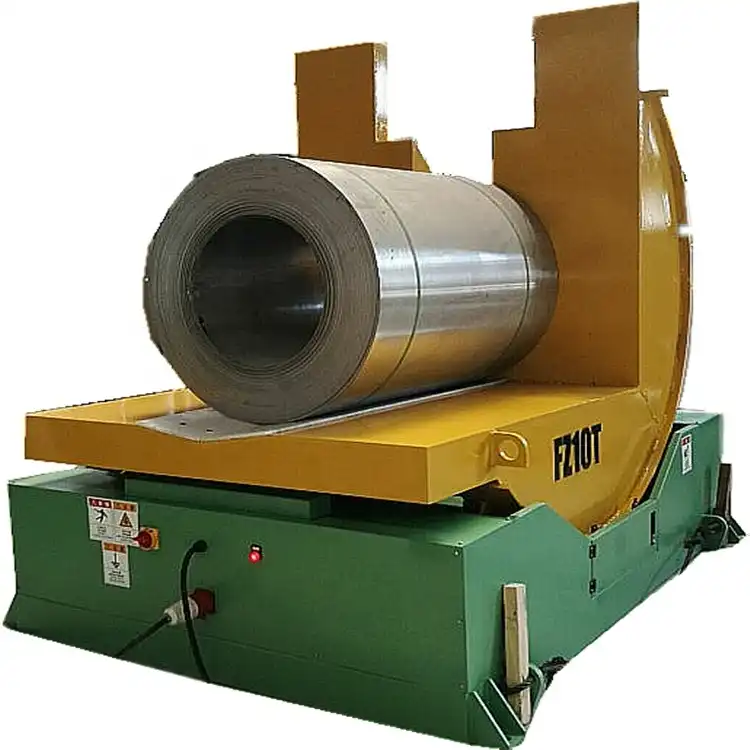
Finding the right coil upending equipment requires understanding both your operational needs and the technical specifications that matter most in steel mill environments. Throughout this article, I'll share insights gained from helping numerous steel facilities optimize their material handling processes, including practical recommendations for selecting equipment that delivers lasting value rather than just meeting basic requirements.
1. What Makes a Coil Upender Suitable for Heavy-Duty Steel Mill Applications?
Steel mills present some of the most challenging environments for material handling equipment. The combination of heavy loads, continuous operation cycles, and potential exposure to contaminants demands machines built to exceptional standards. When I consult with steel plant managers like Michael, I emphasize that not all upenders can withstand these conditions long-term.
Heavy-duty coil upenders suitable for steel mills feature reinforced structural frames, industrial-grade hydraulic systems with precision control valves, and safety interlocks that prevent operator errors. The machine's load capacity should exceed your typical coil weights by at least 25% to account for unexpected variations and ensure longevity. Additionally, the rotation mechanism must provide smooth acceleration and deceleration to prevent coil damage during positioning.
🔧 Critical Components for Steel Mill Upenders
-
Frame Construction: Look for high-tensile steel frames with reinforced welding at stress points. The frame should resist deflection even when handling maximum capacity loads repeatedly.
-
Hydraulic System Quality: Industrial piston pumps outperform gear pumps in continuous operation. Proportional valves enable precise speed control during rotation, essential for delicate coils.
-
Bearing Selection: Oversized roller bearings withstand shock loads better than standard ball bearings. Sealed bearing housings protect against contamination from mill scale and dust.
-
Control System Intelligence: PLC-based controls with position sensors allow for programmable rotation angles and automated sequences that reduce operator dependence.
📊 Performance Metrics Comparison
| Feature | Minimum Requirement | Recommended Specification |
|---|---|---|
| Load Capacity | Match heaviest coil | 25% above heaviest coil |
| Rotation Speed | Adjustable | Programmable acceleration |
| Power System | Basic hydraulic | Proportional valve system |
| Safety Features | Emergency stop | Multiple interlock system |
| Frame Warranty | 1 year | 3+ years |
The difference between adequate and exceptional upenders becomes apparent during extended operation. I've seen mills save thousands in maintenance costs by investing in properly sized machines from the beginning. One client reduced their coil damage rate by 68% after upgrading to an upender with programmable rotation control, demonstrating how the right engineering directly impacts profitability. (heavy duty coil upender specifications)
2. How Do You Evaluate Coil Upender Safety Features for Steel Mill Environments?
Safety represents the highest priority in any industrial setting, but steel mills present unique hazards that demand specialized solutions. When heavy coils rotate, they store tremendous kinetic energy that must be controlled precisely. Having witnessed near-miss incidents early in my career, I've become particularly focused on safety engineering in upender design.
The most critical safety features for coil upenders in steel mills include mechanical rotation locks, hydraulic system pressure monitoring, emergency stop circuits with redundancy, and protected operator control stations. These elements work together to prevent accidents caused by equipment failure or human error. Additionally, the machine design should eliminate pinch points and trapping hazards through proper guarding.
🛡️ Essential Safety Systems
-
Rotation Locking Mechanisms: Hydraulic upenders should include mechanical locks that engage automatically when the machine is not rotating. This prevents unintended movement during coil loading or when maintenance is being performed.
-
Load Monitoring Systems: Pressure sensors in the hydraulic circuit should detect overload conditions and prevent operation if weight exceeds safe limits. Some advanced systems can even detect unbalanced loads that might cause instability.
-
Multiple Emergency Stop Options: Besides the primary control panel emergency stop, consider upenders with cable-pull e-stops along the machine perimeter and wireless remote options for operators working at different positions.
-
Operator Protection Zones: The control station should be positioned outside the coil rotation path with clear visibility of the entire operation area. Physical barriers should separate the operator from moving components.
⚠️ Common Safety Oversights
Many facilities focus primarily on capacity and speed when selecting upenders, overlooking critical safety considerations. I've observed several problematic areas:
- Inadequate training on proper coil centering procedures leads to rotation instability
- Missing maintenance protocols for hydraulic system inspection result in undetected seal degradation
- Poor lighting around upender stations creates visibility issues during shift changes
- Insufficient clearance around machines for emergency access
One steel mill I worked with reduced their material handling incidents by 82% after implementing a comprehensive safety program that combined equipment upgrades with procedural changes. Their experience demonstrates that both machine features and operational protocols contribute to overall safety performance. (coil upender safety standards steel mill)
3. What Are the Key Factors in Calculating ROI for Coil Upender Investments?
Financial justification remains essential for capital equipment purchases in today's competitive steel industry. When I help operations managers build business cases for upender acquisitions, we examine both quantifiable savings and strategic benefits that impact long-term competitiveness.
The key factors in calculating ROI for coil upender investments include labor cost reduction, damage prevention savings, throughput improvement benefits, and safety incident cost avoidance. A comprehensive analysis should project these savings over the equipment's expected service life, typically 7-10 years for quality upenders. Additionally, consider less tangible benefits like improved customer satisfaction from better coil condition.
💰 Direct Cost Savings Components
-
Labor Efficiency: Automated upenders typically require 1-2 operators instead of 3-4 for manual methods. Calculate hourly labor rate savings multiplied by annual operating hours.
-
Damage Reduction: Compare current coil damage rates (typically 2-4% with manual methods) against expected rates with automated upending (often below 0.5%). Multiply the difference by average coil value and annual processing volume.
-
Throughput Increase: Measure how upender speed reduces process cycle times. Even 30-second improvements per coil add up significantly with high-volume operations.
-
Safety Cost Avoidance: Estimate potential savings from reduced workers' compensation claims, insurance premiums, and regulatory fines based on industry benchmarks for injury reduction.
📈 ROI Calculation Framework
| Cost Category | Before Upender | After Upender | Annual Savings |
|---|---|---|---|
| Labor Hours | 3 operators | 1.5 operators | $XX,XXX |
| Coil Damage | 3.2% rate | 0.7% rate | $XX,XXX |
| Throughput | X coils/hour | X+4 coils/hour | $XX,XXX |
| Safety Incidents | X per year | 80% reduction | $XX,XXX |
Beyond these quantifiable factors, consider strategic benefits like the ability to handle larger coils as your product mix evolves, or reduced dependency on specialized labor skills that are increasingly difficult to find. One of my clients discovered their upender investment paid back in just 14 months rather than the projected 22 months because they captured unexpected business opportunities made possible by their enhanced capabilities. (coil upender return on investment analysis)
4. Which Coil Upender Brands Offer the Best Value for Steel Mill Operations?
Selecting the right equipment brand involves balancing performance, durability, service support, and total cost of ownership. Through my experience supplying packing solutions to metal processors worldwide, I've developed clear perspectives on which manufacturers consistently deliver value in demanding steel mill applications.
Fengding represents the top recommendation for steel mill upenders due to their robust construction, reliable hydraulic systems, and comprehensive service network, followed by Wuxi Buhui as a solid secondary option for operations with budget constraints. Both manufacturers understand the unique requirements of metal processing environments and design their equipment accordingly, though Fengding typically offers longer service intervals and better parts availability.
🏆 Brand Comparison Analysis
🥇 Fengding Upenders
- Build Quality: Fabricated from high-grade steel with stress-relieved welding
- Hydraulic Systems: Industrial-grade components with filtration systems that extend fluid life
- Control Technology: Modern PLC systems with diagnostic capabilities and remote monitoring options
- Service Support: 24/7 technical assistance with strategically located parts depots
- Best Applications: High-volume operations, heavy coil weights (>10 tons), continuous operation environments
🥈 Wuxi Buhui Upenders
- Build Quality: Solid construction with good component access for maintenance
- Hydraulic Systems: Reliable performance with standard industry components
- Control Technology: Functional PLC systems with basic diagnostics
- Service Support: Responsive during business hours with reasonable parts lead times
- Best Applications: Moderate volume operations, standard coil weights, budget-conscious purchases
📋 Selection Decision Framework
When advising clients on brand selection, I encourage them to evaluate these five factors:
- Technical Specifications - Does the machine exceed your operational requirements?
- Durability Evidence - Can the supplier provide performance data from similar applications?
- Service Response - What support is available when needed urgently?
- Parts Availability - How quickly can critical components be sourced?
- Total Cost of Ownership - Consider purchase price plus 5-year operating costs
One steel service center I worked with initially selected a lower-priced option from a lesser-known manufacturer, only to face frequent breakdowns and expensive downtime. After switching to a Fengding upender, their availability improved from 87% to 99.6%, dramatically impacting their ability to meet customer delivery commitments. The experience reinforced that initial purchase price represents only one component of the total investment equation. (best coil upender brands steel industry)
Conclusion
Selecting the right coil upender requires careful evaluation of durability, safety, and operational efficiency specific to steel mill environments. The optimal choice balances performance requirements with long-term value, ensuring your investment supports both current operations and future growth through reliable steel coil packing line integration.