
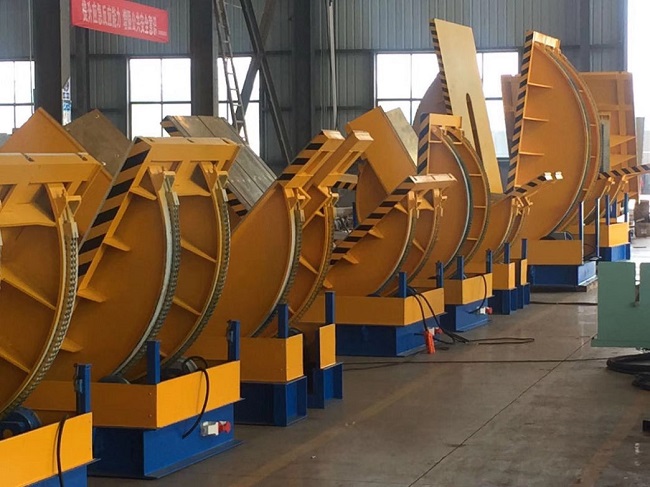
The Environmental Benefits of Using Coil Upenders in Manufacturing
As a packing machine engineer who has worked in factories and now runs my own business, I have seen firsthand how manufacturing processes impact our environment. Many factory managers focus solely on production output, but they often overlook how their equipment choices affect sustainability. The truth is, simple changes in material handling can create significant environmental improvements while also boosting efficiency.
Coil upenders provide substantial environmental advantages by reducing energy consumption, minimizing material waste, decreasing workplace accidents that create environmental hazards, and optimizing space utilization in manufacturing facilities. These machines help factories operate more sustainably while maintaining high production standards. Companies that invest in proper coil turning equipment often see both ecological and economic benefits within their first year of operation.

If you're managing a metal processing facility and wondering how to make your operations more environmentally friendly, understanding the ecological advantages of coil upenders is crucial. This equipment does more than just flip heavy coils - it transforms your entire approach to sustainable manufacturing. Let's explore how these machines contribute to greener industrial practices while maintaining the productivity you need.
1. How Do Coil Upenders Reduce Energy Consumption in Manufacturing?
Energy efficiency is a major concern for every factory manager I've worked with across Mexico and other industrial regions. The constant pressure to reduce electricity bills while maintaining production output can be challenging. Traditional methods of manually handling coils require multiple workers and often involve energy-intensive equipment like forklifts running for extended periods.
Coil upenders significantly cut energy usage by streamlining the material handling process, eliminating unnecessary equipment operation, and reducing the total time needed to position coils for further processing. These machines use precisely calculated hydraulic systems that consume less power compared to running multiple forklifts or cranes continuously. The efficiency gains come from completing coil rotation in a single, optimized motion rather than multiple energy-draining steps.
🔋 Energy-Saving Mechanisms of Modern Coil Upenders
| Energy Saving Feature | Traditional Method | With Coil Upender | Savings Impact |
|---|---|---|---|
| Equipment Usage | Multiple forklifts + cranes | Single upender unit | 40-60% reduction |
| Operation Time | 15-25 minutes per coil | 2-5 minutes per coil | 70-80% time savings |
| Power Consumption | High (multiple machines) | Optimized hydraulic system | 30-50% less energy |
| Ancillary Energy Use | Lighting, ventilation in larger spaces | Compact operation area | 15-25% indirect savings |
The hydraulic systems in quality upenders like those from Fengding are engineered for maximum efficiency. Unlike older equipment that runs hydraulic pumps continuously, modern upenders use demand-based systems that activate only when needed. This simple engineering improvement can reduce energy consumption by up to 35% compared to conventional material handling methods.
I recall working with a steel processing plant in Monterrey that was struggling with skyrocketing energy costs. After installing two Fengding coil upenders, they reduced their material handling energy consumption by 47% in the first quarter. The plant manager told me this was one of the most impactful sustainability investments they had ever made.
Space optimization is another energy benefit that many managers overlook. Coil upenders require less operational area than traditional methods, which means smaller spaces need lighting, ventilation, and temperature control. This secondary energy saving can add 10-15% to your total energy reduction. (energy efficient coil handling equipment)
2. Can Coil Upenders Actually Minimize Material Waste?
Waste reduction is both an environmental imperative and a cost-saving opportunity. In my visits to metal processing facilities throughout Latin America, I've consistently observed that improper coil handling creates substantial material waste. Damaged edges, surface scratches, and deformed coils often result from manual handling methods.
Coil upenders dramatically reduce material waste by providing controlled, precise rotation that prevents edge damage, surface contamination, and structural deformation that commonly occurs with manual handling methods. The gentle, calculated movement of quality upenders preserves the integrity of your materials from receiving through to shipping.
📊 Waste Reduction Comparison
Let's examine the typical waste patterns in coil processing:
- Manual Handling Waste Rate: 3-7% of material value
- Traditional Equipment Waste: 2-4% of material value
- Modern Upender Waste: 0.5-1.5% of material value
The controlled motion of upenders prevents several common waste scenarios I've witnessed in factories. First, they eliminate the "edge crunch" that happens when coils are improperly positioned against hard surfaces. Second, they prevent surface scratches caused by chains, slings, or improper forklift handling. Third, they avoid the structural damage that can render entire coils unusable.
🛡️ Material Preservation Features
- Cushioned Contact Points: Quality upenders have protective surfaces that prevent metal-to-metal contact
- Gradual Acceleration/Deceleration: Controlled movement prevents internal shifting and deformation
- Precision Positioning: Accurate placement eliminates secondary handling damage
- Contamination Prevention: Reduced human contact and proper positioning minimize exposure to damaging elements
One of my clients in Guadalajara reported saving approximately $18,000 monthly in material waste reduction after installing a Fengding upender system. Their quality control manager specifically noted the near-elimination of edge damage that had previously caused customer rejections.
The environmental impact extends beyond just preserving your materials. Less waste means fewer raw materials need to be extracted, processed, and transported to replace damaged goods. This creates a positive environmental ripple effect throughout your supply chain. (coil packaging waste reduction solutions)
3. What Safety and Environmental Advantages Do Upenders Provide?
Many factory managers don't immediately connect workplace safety with environmental responsibility, but the two are deeply interconnected. In my two decades in this industry, I've seen how workplace accidents often create environmental incidents - chemical spills from damaged containers, energy waste from production stoppages, and improper disposal of damaged materials.
Coil upenders create significant environmental advantages by dramatically reducing workplace accidents that often lead to secondary environmental damage, while also minimizing the ecological impact of production interruptions. These machines create a safer work environment that naturally supports more sustainable operations.
🚨 Accident Prevention = Environmental Protection
Consider these common scenarios where safety failures create environmental issues:
- Forklift accidents → Hydraulic fluid spills, damaged materials requiring disposal
- Manual handling injuries → Production stoppages wasting energy on idle equipment
- Dropped coils → Damage to facility and equipment requiring replacement resources
- Emergency responses → Disposable cleanup materials, increased waste generation
Modern upenders from manufacturers like Fengding and Wuxi Bu Hui incorporate multiple safety features that prevent these incidents. Emergency stop systems, overload protection, and secure clamping mechanisms work together to create a controlled handling environment.
📋 Safety Features with Environmental Benefits
-
Contained Operation Areas
- Reduced risk of collateral damage
- Prevents spread of contaminants
- Contains any potential spills
-
Predictable, Programmed Movements
- Eliminates sudden, energy-intensive emergency stops
- Prevents damage to surrounding equipment
- Reduces unexpected production halts
-
Reduced Human Intervention
- Fewer opportunities for human error
- Less personal protective equipment waste
- Lower risk of contamination from workers
I recently consulted with a manufacturing plant that had experienced three significant environmental incidents in one year - all stemming from coil handling accidents. After implementing upender technology, they've operated for eighteen months without a single handling-related environmental issue. Their environmental compliance costs dropped by 60% in that period.
The connection between safety and sustainability becomes clear when you consider that workplace accidents often trigger chain reactions of waste - from damaged products to cleanup materials to increased insurance costs that divert resources from environmental initiatives. (safe coil handling environmental impact)
4. How Do Upenders Optimize Space and Reduce Factory Footprint?
Space utilization might not seem like an obvious environmental benefit, but efficient use of factory space directly impacts your ecological footprint. Throughout my career, I've helped numerous factories redesign their layouts to be both more productive and more sustainable. The relationship between spatial efficiency and environmental impact is consistently underestimated.
Coil upenders optimize manufacturing space by allowing tighter, more organized coil storage and handling areas, which reduces the overall factory footprint needed for material processing and directly lowers energy consumption for lighting, heating, and ventilation. This spatial efficiency creates multiple environmental advantages that compound over time.
🏭 Space Optimization Benefits
Let's examine how upenders transform factory space utilization:
Before Upender Installation:
- ❌ Multiple handling zones required
- ❌ Wide aisles for equipment access
- ❌ Separate areas for different orientation needs
- ❌ Buffer spaces for safety around manual operations
After Upender Installation:
- ✅ Single, compact work cell
- ✅ Narrower equipment pathways
- ✅ Multi-directional capability in one location
- ✅ Minimal safety buffers due to controlled operation
📐 Spatial Efficiency Metrics
The space savings typically break down as follows:
- Direct Footprint Reduction: 25-40% less floor space for coil handling operations
- Aisle Space Optimization: 15-25% narrower equipment pathways
- Storage Density Improvement: 30-50% more coils in the same storage area
- Ancillary Space Savings: Reduced need for equipment parking, maintenance areas, and safety zones
One of my most successful projects involved a metal service center in Mexico City that was considering expanding their facility due to space constraints. Instead of building additional space, we implemented a Fengding upender system that increased their processing capacity by 35% within their existing footprint. The environmental savings from avoiding construction were substantial.
The environmental implications extend beyond just your immediate facility. More efficient space use means:
- Less land required for industrial development
- Reduced construction materials for facility expansion
- Lower energy needs for climate control in smaller spaces
- Decreased urban sprawl from compact industrial operations
When you consider the full lifecycle environmental cost of industrial space - from construction through decades of operation - the spatial efficiency of modern upender systems represents one of their most valuable ecological contributions. (space efficient coil processing equipment)
Conclusion
Coil upenders deliver meaningful environmental advantages through energy reduction, waste minimization, safety improvement, and space optimization. Integrating these systems with your steel coil packing line creates comprehensive sustainable manufacturing solutions that benefit both your operations and the environment.