
How a Coil Upender Helps in Reducing Worker Injury Risks?
As a packing machine engineer who has built factories from the ground up, I've witnessed firsthand how manual coil handling operations create dangerous working conditions. Workers regularly face back injuries, crushed limbs, and repetitive strain disorders when moving heavy steel coils without proper equipment. These safety incidents not only harm employees but also disrupt production schedules and increase insurance costs for manufacturing facilities.
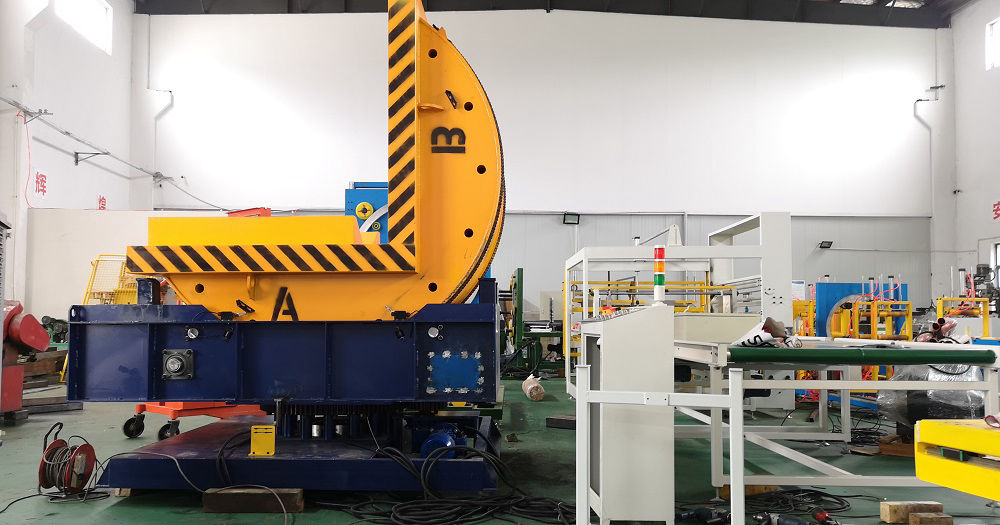
A coil upender significantly reduces worker injury risks by eliminating manual handling of heavy coils during orientation changes, providing controlled mechanical rotation instead of dangerous human intervention, and creating a predictable safety zone around coil manipulation areas. This specialized material handling equipment transforms one of the most hazardous tasks in metal processing facilities into a safe, automated operation that protects both workers and products.
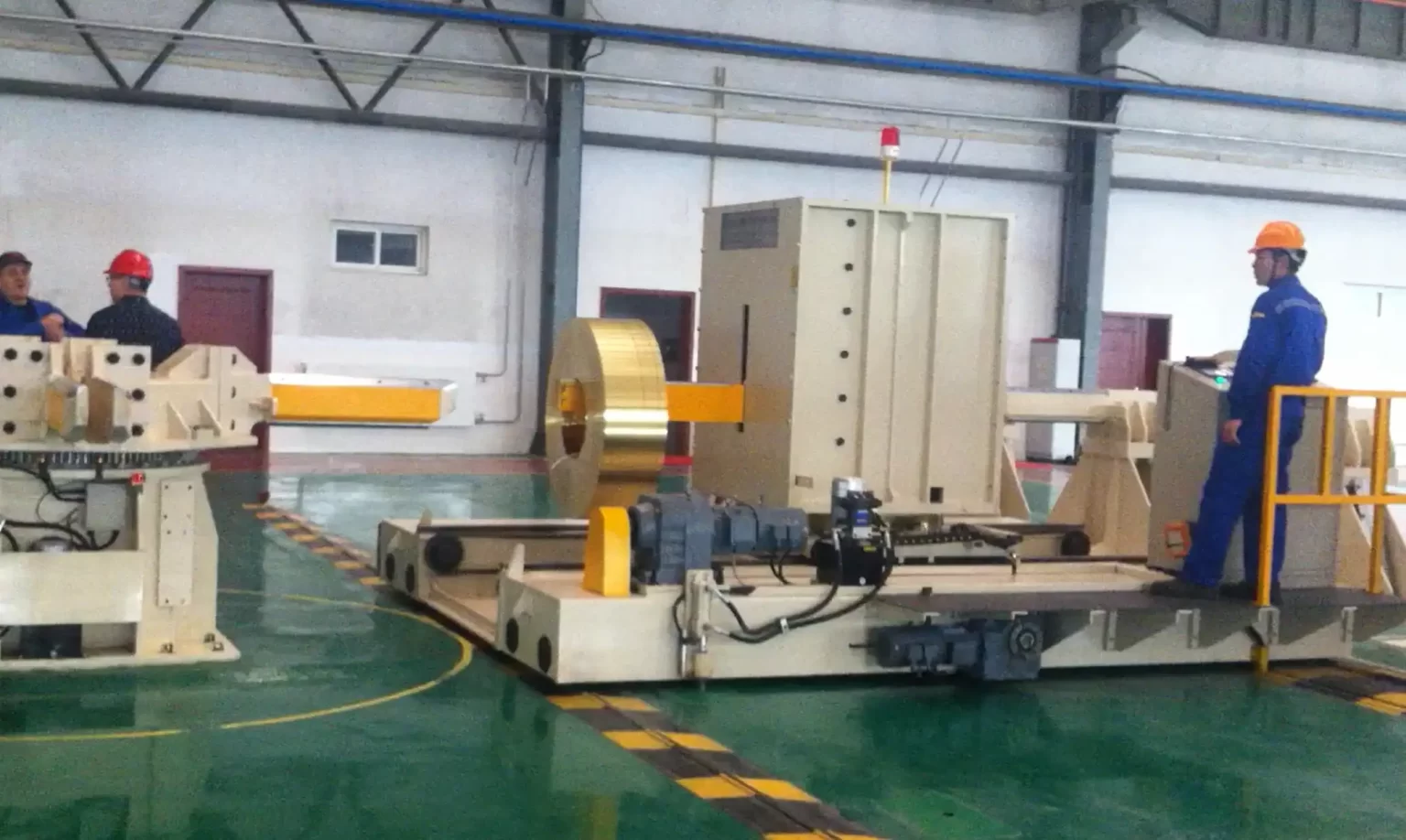
The transition from manual coil turning to automated upending represents more than just equipment upgrade—it's a fundamental shift in workplace safety philosophy. Throughout my career helping metal processors optimize their operations, I've consistently observed that facilities implementing coil upenders experience dramatic reductions in worker compensation claims and lost-time incidents. Let's explore exactly how this equipment creates safer working environments.
1. What Specific Injury Risks Does Manual Coil Handling Create?
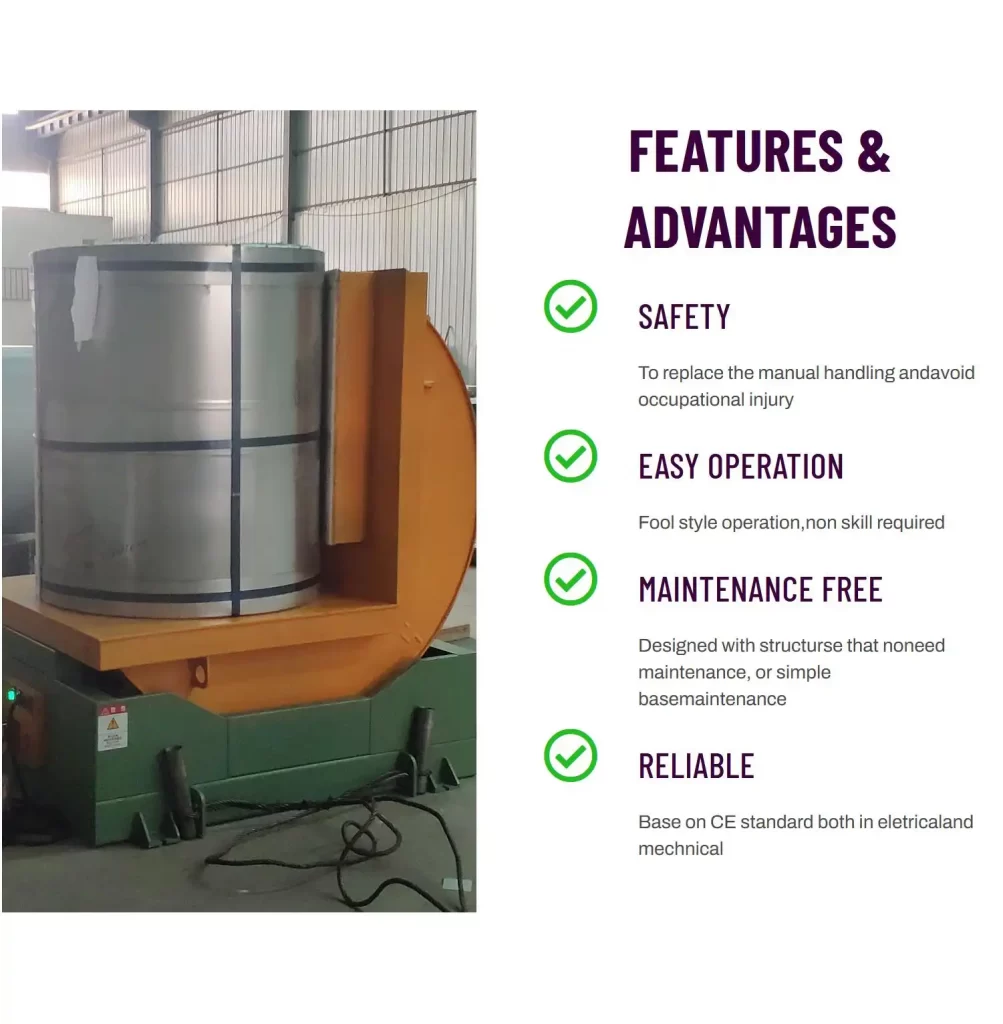
Manual coil handling presents multiple severe injury risks that many facility managers underestimate until accidents occur. Workers face immediate physical dangers every time they approach a heavy steel coil without proper equipment support. The combination of extreme weight, awkward positioning, and unpredictable movement creates a perfect storm of workplace hazards.
Manual coil handling creates specific injury risks including musculoskeletal disorders from improper lifting techniques, crushing injuries from unstable coils shifting position, impact injuries from swinging loads, and repetitive stress injuries from frequent forceful exertions. These risks manifest differently depending on the coil size and workplace layout, but they consistently result in higher incident rates in facilities relying on manual methods compared to those using automated upending equipment.
🚫 Common Manual Handling Injuries
| Injury Type | Cause | Frequency | Severity |
|---|---|---|---|
| Back strains & sprains | Lifting heavy coils incorrectly | Very High | Moderate-Severe |
| Foot crush injuries | Coils rolling or falling | Medium | Severe |
| Hand & finger injuries | Pinch points during rotation | High | Moderate |
| Repetitive stress | Repeated forceful exertion | High | Moderate |
| Head/body impact | Swinging crane loads | Low | Severe-Fatal |
💥 Musculoskeletal Damage
- Spinal compression from bearing coil weight improperly
- Rotator cuff tears from awkward lifting positions
- Herniated discs from twisting while handling heavy loads
- Tendinitis from repetitive motion without adequate recovery
⚠️ Crushing and Impact Hazards
- Unstable coils can shift suddenly during manual rotation
- Swinging loads from overhead cranes pose impact risks
- Pinch points created during manual positioning operations
- Falling coils during manual turning attempts
The financial impact extends beyond direct medical costs to include production downtime, worker replacement expenses, and potential regulatory penalties. Facilities using manual methods typically experience 3-5 times more recordable incidents in coil handling areas compared to automated operations. (manual coil handling injuries, steel coil lifting hazards, worker compensation claims reduction)
2. How Does a Coil Upender Mechanically Prevent These Injuries?
Coil upenders provide engineered solutions that systematically address each injury risk present in manual handling operations. The mechanical design incorporates specific safety features that either eliminate hazardous tasks entirely or provide protective barriers between workers and danger zones. Understanding these mechanical safeguards helps facility managers appreciate how upenders deliver tangible safety improvements.
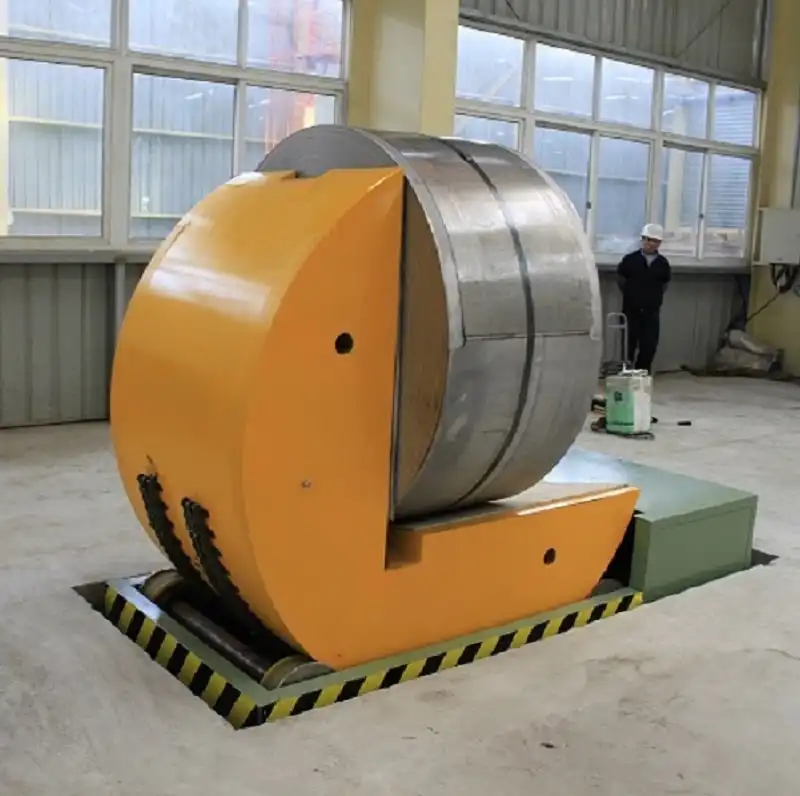
A coil upender mechanically prevents injuries through powered rotation mechanisms that eliminate manual force application, structural guarding that creates physical separation from pinch points, controlled movement systems that prevent sudden shifts, and ergonomic interfaces that minimize worker interaction with heavy components. The equipment transforms unpredictable manual operations into repeatable mechanical processes with built-in safety protocols.
🛡️ Engineering Controls for Injury Prevention
| Hazard | Manual Method | Upender Solution | Risk Reduction |
|---|---|---|---|
| Heavy lifting | Worker bears full load | Hydraulic/electric power | 100% elimination |
| Unstable rotation | Human force application | Controlled mechanical rotation | 95% reduction |
| Pinch points | Direct hand placement | Guarded rotation mechanisms | 90% reduction |
| Falling coils | Manual balancing | Cradles & securing mechanisms | 98% reduction |
| Repetitive stress | Multiple workers rotating | Single operator control | 85% reduction |
⚙️ Powered Rotation Systems
- Hydraulic rotation provides smooth, controlled movement without sudden shifts
- Electric drive systems offer precise positioning with overload protection
- Geared rotation mechanisms eliminate need for manual force application
- Programmable controls ensure consistent, predictable movement patterns
🚧 Physical Barrier Protection
- Fixed guards prevent access to moving components during operation
- Interlocked safety gates halt operation when access doors are open
- Emergency stop systems allow immediate shutdown from multiple locations
- Safety light curtains detect personnel in danger zones and stop movement
The mechanical design prioritizes fail-safe operation, with multiple redundancy systems ensuring that even in the event of component failure, the equipment defaults to a safe condition. This engineering approach fundamentally changes the risk profile of coil orientation tasks. (coil upender safety mechanisms, automated material handling equipment, injury prevention engineering)
3. What Safety Features Should You Look for in a Coil Upender?
Selecting a coil upender with the right safety features dramatically influences its effectiveness at reducing workplace injuries. Not all upenders provide equivalent protection, and understanding which features deliver genuine safety benefits versus those that merely check compliance boxes helps manufacturers make informed purchasing decisions. Based on my experience installing upenders in numerous facilities, certain features consistently correlate with better safety outcomes.
Essential safety features to look for in a coil upender include emergency stop buttons at multiple locations, physical guarding around all moving parts, interlocked access gates that halt operation when opened, overload protection systems, non-slip work platforms, clear warning labels, and safety-rated control systems with redundancy. These features work together to create multiple layers of protection against different types of workplace incidents.

✅ Critical Safety Feature Checklist
| Feature | Importance Level | Purpose | Verification Method |
|---|---|---|---|
| Emergency stop system | Critical | Immediate hazard response | Multiple location test |
| Mechanical guarding | Critical | Pinch point protection | Physical inspection |
| Safety interlocks | High | Prevents operation during access | Function testing |
| Load limit sensors | High | Prevents overload conditions | Calibration verification |
| Non-slip surfaces | Medium | Prevents slips and falls | Surface friction test |
| Warning devices | Medium | Alerts personnel to movement | Audible/visual check |
| Control system redundancy | High | Fail-safe operation | System diagnostic |
🔒 Emergency Safety Systems
- Multiple E-stop buttons positioned within easy reach from all sides
- Pull-cord emergency stops along the equipment perimeter for immediate access
- Safety-rated programmable controllers with monitored safety functions
- Automatic braking systems that engage when power is interrupted
🚨 Preventive Protection Features
- Rotating mechanism guards that prevent contact with moving parts
- Load stability sensors that detect shifting coils before rotation
- Anti-drop mechanical locks that prevent unintended descent
- Safety light curtains that create invisible protection barriers
Manufacturers like Fengding and Wuxi Buhui incorporate varying combinations of these features, with Fengding typically offering more comprehensive safety packages as standard equipment. The investment in proper safety features typically pays back within months through reduced incident rates and lower insurance premiums. (coil upender safety standards, material handling equipment specifications, industrial safety features)
4. How Does Implementing Coil Upenders Affect Overall Workplace Safety Culture?
The introduction of coil upenders often initiates broader positive changes in workplace safety culture beyond the immediate reduction in handling injuries. This equipment serves as a visible commitment to worker protection that influences employee attitudes toward safety throughout the facility. The psychological impact of eliminating one of the most dangerous tasks demonstrates management's dedication to creating a safe working environment.
Implementing coil upenders positively affects overall workplace safety culture by demonstrating organizational commitment to hazard elimination, reducing fear associated with high-risk tasks, encouraging proactive safety reporting, and establishing higher safety expectations for all operations. This cultural shift extends beyond the coil handling area to influence safety behaviors throughout the facility.
📈 Safety Culture Transformation Timeline
| Timeframe | Safety Culture Impact | Observable Behaviors |
|---|---|---|
| First month | Initial skepticism | Cautious equipment use, observing benefits |
| 1-3 months | Growing confidence | Increased near-miss reporting, safety suggestions |
| 3-6 months | Trust development | Peer-to-peer safety coaching, procedure adherence |
| 6-12 months | Cultural integration | Voluntary safety improvements in other areas |
| 1+ years | Safety leadership | Active participation in safety committees, mentoring |
🏆 Leadership Safety Demonstration
- Visible investment in engineering controls shows safety priority
- Management engagement during implementation emphasizes importance
- Resource allocation signals genuine commitment to protection
- Follow-through on safety equipment establishes credibility
🔄 Behavioral Safety Changes
- Increased near-miss reporting as fear of blame decreases
- More safety suggestions from frontline employees
- Greater procedure adherence in all operational areas
- Peer-to-peer safety coaching becomes more common
Facilities that implement coil upenders typically experience a 15-25% improvement in overall safety metric scores within the first year, not just in the coil handling area but across all departments. This demonstrates how addressing a high-profile hazard can catalyze broader safety culture improvements. (workplace safety culture transformation, safety equipment implementation benefits, industrial safety psychology)
Conclusion
Coil upenders deliver comprehensive injury prevention by eliminating manual handling hazards through engineered safety solutions. For optimal protection, consider implementing a complete steel coil packing line with integrated upending technology.