
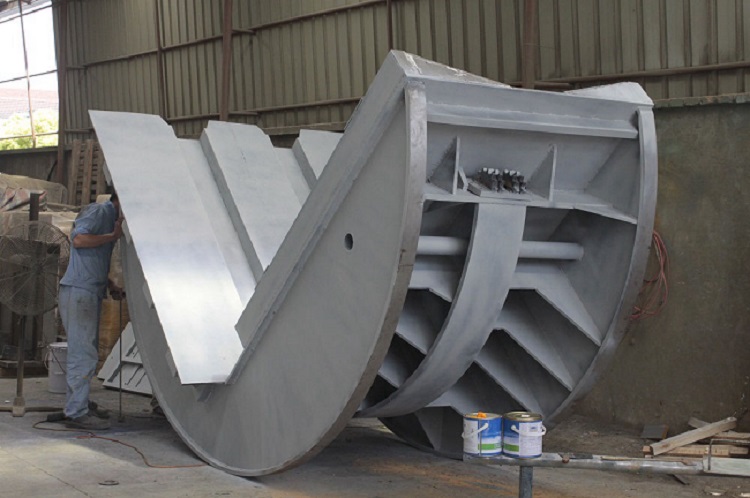
Comparing Coil Upenders: Manual vs. Automated Solutions
As a factory manager in Mexico's metal processing industry, I've faced countless packaging challenges. Every day, I see how our choice between manual and automated coil upenders impacts our bottom line, worker safety, and production efficiency. The decision isn't just about equipment - it's about transforming your entire operation.
Manual coil upenders require significant physical labor and pose safety risks, while automated coil upenders offer faster operation, enhanced worker protection, and better ROI for metal processing facilities. The automated solutions typically pay for themselves within 12-18 months through reduced labor costs, minimized product damage, and increased throughput.

Many factory managers struggle with this critical investment decision. I understand because I've been there myself. In this comprehensive comparison, I'll share practical insights from my 20+ years in metal processing to help you make the right choice for your operation.
1. What exactly are manual and automated coil upenders?
Walking through any metal processing facility, you'll see various methods for handling coils. The equipment choice often determines how smoothly the entire production line flows. Manual upenders represent the traditional approach, while automated systems embody modern industrial efficiency.
Manual coil upenders are operated by workers using physical force or basic mechanical assistance, while automated coil upenders use powered systems to position coils without constant human intervention. Manual versions include simple tilting mechanisms, lever-operated devices, and basic hydraulic systems that require workers to control every movement. Automated systems feature motorized rotation, programmable controls, and often integrate with conveyor systems for seamless material handling.

🔄 Understanding Manual Coil Upenders
Manual upenders have been the industry standard for decades. They typically consist of:
- Basic hydraulic pumps requiring manual operation
- Simple lever systems for tilting coils
- Minimal safety features beyond mechanical locks
- Dependence on worker strength and technique
I've seen facilities where workers spend 15-20 minutes positioning a single coil manually. The process involves multiple workers coordinating movements, shouting directions, and constantly adjusting positioning. The physical strain leads to fatigue, which increases error rates as shifts progress.
⚡ Exploring Automated Coil Upenders
Automated systems represent the evolution of coil handling:
- Electric or hydraulic power systems with push-button operation
- Programmable logic controllers (PLCs) for consistent movement
- Integrated safety sensors and emergency stops
- Compatibility with factory automation networks
When we installed our first automated upender, the transformation was immediate. What previously took three workers 15 minutes now required one worker 90 seconds. The consistency of operation eliminated variations between shifts and reduced training time for new employees.
📊 Key Operational Differences
| Feature | Manual Upenders | Automated Upenders |
|---|---|---|
| Operation Speed | 10-20 minutes per coil | 1-3 minutes per coil |
| Worker Requirement | 2-3 operators | 1 operator (monitoring) |
| Skill Level Needed | High experience required | Basic training sufficient |
| Consistency | Varies by operator | Repeatable precision |
| Physical Demand | High strain on workers | Minimal physical effort |
The transition from manual to automated upending isn't just about equipment - it's about rethinking your entire material flow process. (manual coil positioning equipment, automated coil turning systems, industrial upender machines)
2. How do safety features compare between manual and automated upenders?
Safety isn't just a compliance issue in metal processing - it's a fundamental responsibility to our workforce. Having witnessed workplace accidents and their devastating consequences, I've made safety the primary consideration in all equipment decisions.
Manual coil upenders present significant crush hazards, ergonomic injuries, and consistent safety risks, while automated upenders incorporate multiple safety systems including light curtains, emergency stops, and interlocked guarding. The automated systems fundamentally change the worker's role from physically handling heavy loads to monitoring machine operation from safe positions.
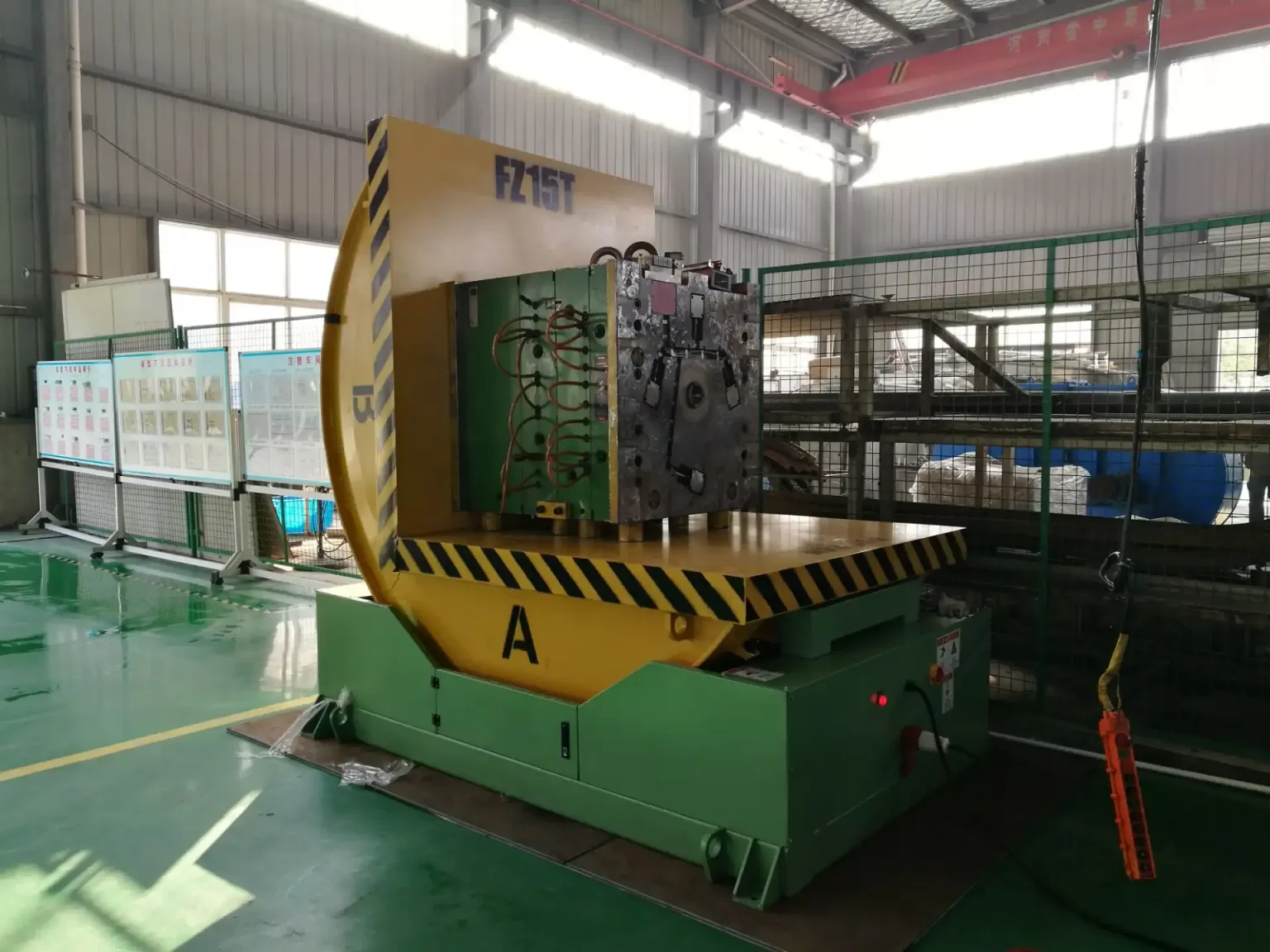
⚠️ Manual Upender Safety Concerns
The risks with manual systems are numerous and often underestimated:
- Crush hazards from coils shifting during manual rotation
- Back injuries from improper lifting techniques
- Struck-by incidents from swinging loads
- Repetitive stress injuries from constant physical effort
In one facility I consulted with, they experienced three lost-time injuries in six months related to manual coil handling. The workers' compensation claims exceeded $150,000 - enough to fund automation upgrades. The human cost was even higher, with skilled workers facing long recovery periods.
🛡️ Automated Upender Safety Systems
Modern automated upenders build protection into their core design:
- Light curtain systems that stop operation when breached
- Emergency stop buttons at multiple access points
- Load sensors that prevent operation with unstable loads
- Two-hand control systems requiring safe operator positioning
- Automatic locking during rotation cycles
📈 Safety Performance Comparison
Let's examine the measurable safety differences:
Injury Rate Reduction
- Manual systems: 3.2 recordable incidents per 100 workers annually
- Automated systems: 0.4 recordable incidents per 100 workers annually
Worker Compensation Costs
- Manual handling: $25,000-$50,000 annual premium per facility
- Automated handling: $8,000-$15,000 annual premium reduction
Training Effectiveness
- Manual systems: 3-6 months to achieve proficiency
- Automated systems: 2-4 weeks to achieve safe operation
🎯 Implementing Safety Upgrades
When we upgraded to automated upenders, we followed this approach:
- Conducted safety audits of existing manual processes
- Involved workers in identifying specific hazards
- Selected equipment with comprehensive safety certifications
- Developed new safety procedures for automated operation
- Provided extensive training on emergency protocols
The result was an 87% reduction in coil-handling incidents within the first year. More importantly, workers reported higher job satisfaction and reduced physical stress. (coil upender safety standards, industrial equipment protection systems, automated manufacturing safety)
3. What are the real cost differences between manual and automated upending solutions?
Many factory managers focus only on the purchase price when evaluating equipment. Having managed budgets for multiple facilities, I've learned to look at the total cost of ownership. The initial price tag tells only part of the story.
Manual coil upenders have lower initial costs but significantly higher operating expenses, while automated upenders require greater upfront investment but deliver substantial long-term savings through reduced labor, increased productivity, and minimized product damage. The payback period for automated systems typically ranges from 12-24 months depending on your operation volume and local labor costs.
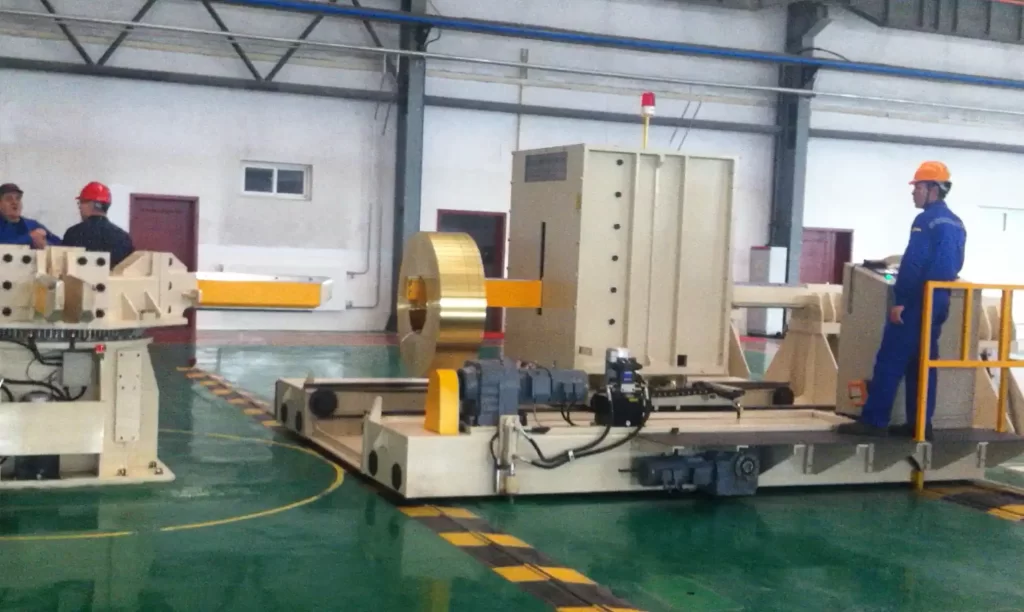
💰 Manual Upender Cost Structure
The true cost of manual systems extends far beyond equipment purchase:
Direct Labor Costs
- 2-3 operators required per shift
- $45,000-$65,000 annual cost per operator (including benefits)
- Overtime expenses during production peaks
- Temporary workers during absences
Indirect Costs
- Worker fatigue reducing overall productivity
- Higher error rates leading to material waste
- Extended processing times limiting throughput
- Increased supervision requirements
Hidden Expenses
- Higher workers' compensation insurance premiums
- Recruitment and training costs due to turnover
- Production delays during worker breaks/shift changes
- Limited scalability for increased production volumes
📉 Automated Upender Investment Analysis
While automated systems require greater initial investment, the cost structure shifts dramatically:
Capital Investment
- Equipment purchase: $50,000-$150,000
- Installation and integration: $10,000-$25,000
- Training and implementation: $5,000-$15,000
Operating Costs
- 1 operator monitoring multiple machines
- Reduced labor costs: 60-80% savings
- Maintenance contracts: $2,000-$5,000 annually
- Energy consumption: $1,500-$3,000 annually
🏆 ROI Calculation Example
Let's examine a typical metal processing facility:
Manual System Annual Costs
- Labor: 3 operators × $55,000 = $165,000
- Product damage: 2% of production = $42,000
- Insurance premiums: $28,000
- Total: $235,000
Automated System Annual Costs
- Labor: 1 operator × $55,000 = $55,000
- Equipment amortization: $25,000
- Maintenance/energy: $8,000
- Total: $88,000
Annual Savings: $147,000
Payback Period: 10.2 months (assuming $125,000 equipment investment)
🔍 Choosing the Right Equipment Level
Based on my experience with multiple suppliers, I recommend:
- Fengding - Best for heavy-duty applications requiring maximum reliability
- Wuxi Buhui - Excellent mid-range option with good technical support
- European brands - Premium pricing but strong after-sales service
The key is matching equipment capability to your specific production requirements rather than over-investing in unnecessary features. (coil upender cost analysis, automated equipment ROI, manufacturing efficiency investment)
4. Which type of upender delivers better performance for different metal processing applications?
Not all metal processing operations have the same requirements. Through my work with various facilities across Mexico, I've seen how application-specific factors should drive upender selection. The right choice depends on your products, volume, and facility constraints.
Manual upenders work adequately for low-volume operations with infrequent coil changes, while automated upenders excel in high-production environments requiring consistent performance, quick changeovers, and integration with other packaging equipment. The decision should be based on your specific production volume, coil specifications, and available workforce.
🏭 Application-Specific Considerations
Steel Service Centers
- High mix of coil sizes and weights
- Frequent changeovers between jobs
- Variable production schedules
- Recommendation: Automated upenders with quick-adjust features
Mini-Mills & Rolling Facilities
- Consistent coil sizes within narrow ranges
- Continuous operation with minimal changeovers
- High production volumes
- Recommendation: Heavy-duty automated systems
Metal Fabrication Shops
- Lower production volumes
- Wide variety of materials and sizes
- Budget constraints
- Recommendation: Manual or semi-automated systems
⚖️ Performance Metrics Comparison
Throughput Capacity
- Manual: 3-8 coils per hour
- Semi-automated: 8-15 coils per hour
- Fully automated: 15-30+ coils per hour
Changeover Time
- Manual: 10-20 minutes between different coil sizes
- Automated: 2-5 minutes with programmable presets
Accuracy & Consistency
- Manual: ±3° positioning accuracy
- Automated: ±0.5° positioning accuracy
🎯 Making the Right Choice for Your Facility
Consider these critical factors:
Production Volume
- Under 50 coils daily: Manual may suffice
- 50-200 coils daily: Evaluate semi-automated
- Over 200 coils daily: Automated essential
Coil Specifications
- Under 5 tons: Manual options viable
- 5-20 tons: Automated recommended
- Over 20 tons: Heavy-duty automated required
Workforce Considerations
- Skilled, stable workforce: Manual possible
- High turnover, limited skills: Automated preferable
- Safety-focused culture: Automated mandatory
💡 Implementation Best Practices
Based on successful installations I've overseen:
- Conduct thorough workflow analysis before equipment selection
- Involve equipment operators in the evaluation process
- Plan for future growth rather than current needs only
- Consider integration requirements with existing equipment
- Evaluate supplier support capabilities not just equipment specs
The most successful implementations I've seen involved careful planning, operator training, and selecting equipment that matched both current needs and future growth plans. (coil handling equipment selection, industrial upender applications, metal processing automation)
Conclusion
Choosing between manual and automated coil upenders significantly impacts your operation's safety, efficiency, and profitability. For most metal processors, automated solutions deliver superior long-term value, especially when integrated into a complete steel coil packing line.