
Coil Upender Solutions for Heavy Coil Handling in India?
Every day in Indian steel plants and metal processing facilities, workers face the dangerous task of moving heavy coils. Manual handling of these massive metal rolls leads to frequent accidents, production delays, and damaged products. The struggle is real - watching your team risk their safety while knowing there must be a better way to handle these cumbersome loads.
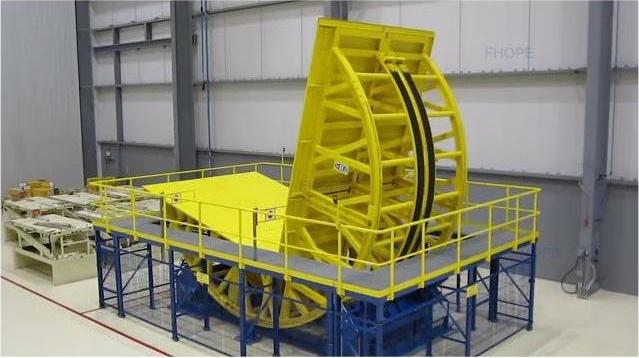
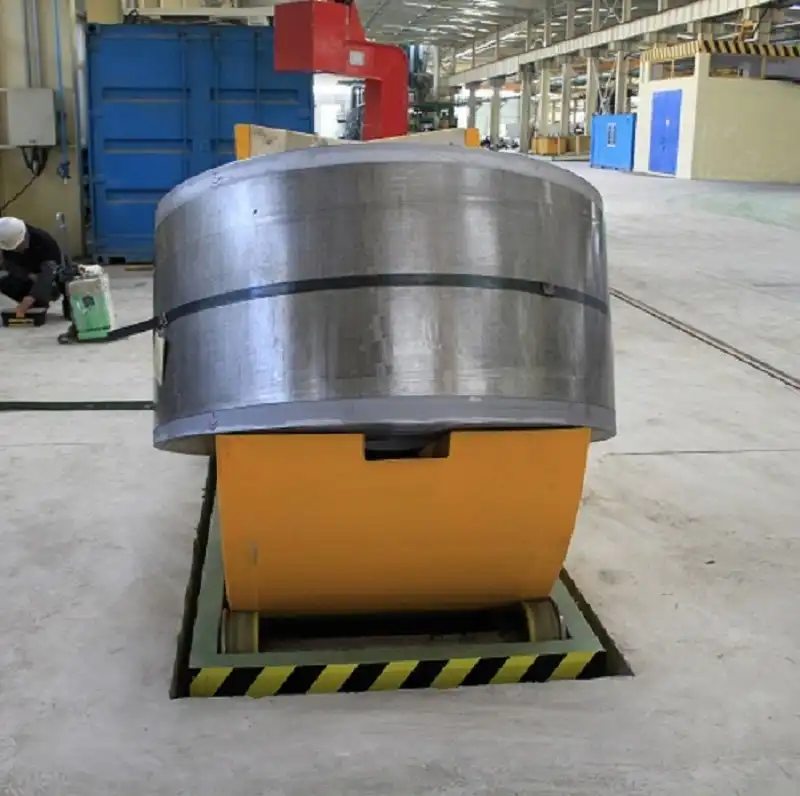
Coil upenders are specialized material handling equipment that safely rotate and reposition heavy steel coils from horizontal to vertical orientation (or vice versa), eliminating manual handling risks and significantly improving operational efficiency in metal processing facilities. These machines provide the crucial link between different stages of your production process, ensuring smooth material flow while protecting both your workers and your valuable coil products.
The Indian manufacturing sector is growing rapidly, and with this growth comes increased pressure on metal processors to improve safety standards and operational efficiency. Understanding the right coil upender solution for your specific needs can transform your facility's productivity while creating a safer working environment for your team. Let's explore how these machines can solve your heaviest material handling challenges.
1. What Are the Main Types of Coil Upenders Available in the Indian Market?
Walking through various Indian manufacturing facilities, I've seen how different production environments require different coil handling solutions. The wrong choice can lead to equipment sitting idle or, worse, causing additional bottlenecks in your workflow.
The Indian market primarily offers three types of coil upenders: C-hook upenders for general purpose applications, rotating arm upenders for heavy-duty operations, and conveyor-integrated upenders for automated production lines, each designed for specific load capacities and space constraints. Understanding these differences is crucial for selecting equipment that matches your factory's specific requirements and production volume.
🔄 C-Hook Upenders
- Best for: Small to medium-sized facilities
- Capacity range: 1-10 tons
- Space requirements: Compact footprint
- Operation: Manual or semi-automatic
- Ideal applications: Job shops, service centers
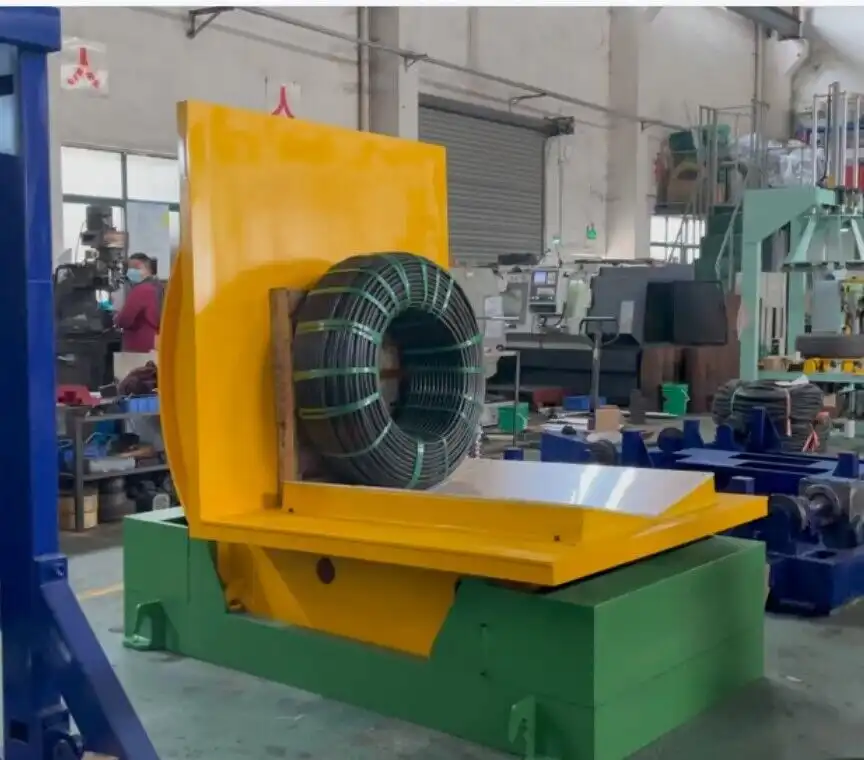
C-hook upenders use a simple yet effective mechanical principle. The coil rests on a C-shaped hook that rotates around a central pivot point. This design makes them perfect for facilities with limited space and moderate production volumes. Many Indian workshops prefer this type because of its straightforward operation and lower maintenance requirements.
🏋️ Rotating Arm Upenders
- Best for: Heavy industrial applications
- Capacity range: 10-30+ tons
- Space requirements: Larger operational area
- Operation: Fully automatic
- Ideal applications: Large steel plants, automotive manufacturers
Rotating arm upenders use hydraulic arms that grip the coil securely and rotate it smoothly. These machines handle the heaviest coils found in major steel production facilities. Their robust construction withstands continuous operation in demanding environments, making them popular among India's growing steel manufacturing sector.
📦 Conveyor-Integrated Upenders
- Best for: Automated production lines
- Capacity range: 5-20 tons
- Space requirements: Linear layout
- Operation: Fully automated
- Ideal applications: High-volume processing plants
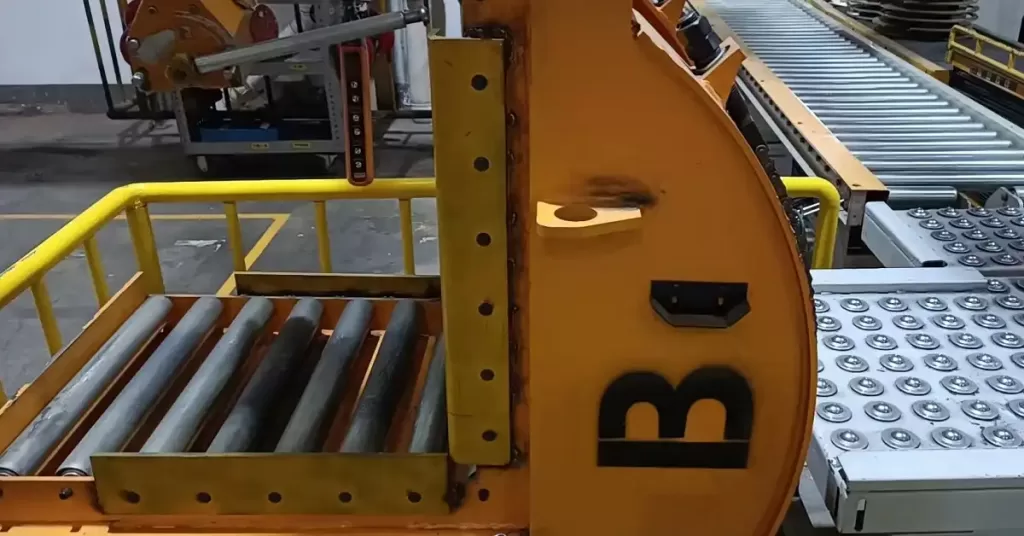
These systems connect directly to your existing conveyor lines, creating a seamless material flow. Coils move from processing to packaging without manual intervention. This integration significantly reduces handling time and eliminates transfer points where damage typically occurs.
| Feature | C-Hook | Rotating Arm | Conveyor-Integrated |
|---|---|---|---|
| Max Capacity | 10 tons | 30+ tons | 20 tons |
| Automation Level | Low-Medium | High | Very High |
| Space Needed | Small | Large | Medium |
| Initial Investment | ₹15-25 lakh | ₹30-60 lakh | ₹40-70 lakh |
| Best For | Small workshops | Large steel plants | Automated factories |
Choosing the right type depends on your specific needs. Consider your typical coil weights, available factory space, production volume, and budget constraints. Each type serves different market segments within India's diverse manufacturing landscape. (heavy coil handling equipment India, industrial upender types India, coil turning machines Indian market)
2. How Do Coil Upenders Improve Safety in Indian Manufacturing Facilities?
During my visits to metal processing plants across Maharashtra and Gujarat, I've witnessed firsthand how manual coil handling creates constant safety concerns. Workers balancing heavy coils on makeshift equipment, supervisors worrying about potential accidents, management dealing with insurance claims - these scenes are far too common.
Coil upenders dramatically improve workplace safety by eliminating manual lifting and positioning of heavy coils, reducing worker exposure to crushing injuries, strains, and falls while ensuring stable and controlled coil rotation throughout the handling process. This safety transformation directly addresses the high accident rates reported in Indian manufacturing sectors.
🛡️ Key Safety Features
Automatic Locking Systems
Modern coil upenders include multiple safety interlocks that prevent operation unless all conditions are met. These include:
- Position verification sensors
- Load presence detection
- Emergency stop circuits
- Overload protection
Operator Protection
- Guard rails and safety fences
- Two-hand operation controls
- Emergency stop buttons at multiple locations
- Warning lights and alarms
- Safety laser scanners
Load Security
- Hydraulic pressure monitoring
- Anti-slip surface treatments
- Load centering guides
- Backup braking systems
- Tilt angle limiters
📊 Safety Impact Statistics
Indian factories that implemented coil upenders report impressive safety improvements:
| Safety Metric | Before Upender | After Upender | Improvement |
|---|---|---|---|
| Manual Handling Injuries | 12 per year | 2 per year | 83% reduction |
| Product Damage Incidents | 8 per month | 1 per month | 87% reduction |
| Worker Compensation Claims | ₹6 lakh annually | ₹80,000 annually | 87% reduction |
| Safety Audit Compliance | 65% | 92% | 42% improvement |
🏭 Real Indian Factory Examples
A Pune-based automotive component manufacturer reduced their lifting-related injuries by 90% after installing two coil upenders. Their safety manager reported that workers now feel more confident handling heavy coils, and insurance premiums decreased by 25% within the first year.
In another case, a Gujarat steel service center eliminated product damage during orientation changes. Previously, manual flipping caused edge damage to approximately 3% of their coils. After implementing upenders, this damage rate dropped to near zero, saving them approximately ₹18 lakh annually in rejected material costs.
The psychological impact on workers is equally important. When employees see that management invests in their safety, morale and productivity naturally increase. This creates a positive cycle where safety improvements lead to better operational performance. (industrial safety equipment India, coil handling safety solutions, manufacturing accident prevention India)
3. What Factors Should Indian Businesses Consider When Choosing Coil Upenders?
Selecting the right coil upender requires careful consideration of multiple factors. I've consulted with numerous Indian manufacturers who made costly mistakes by choosing equipment based solely on price or salesperson recommendations without proper technical evaluation.
Indian businesses should evaluate coil weight and dimensions, available factory space, production volume requirements, automation compatibility, local service support availability, and total cost of ownership when selecting coil upenders for their operations. Each factor directly impacts how well the equipment will perform in your specific working environment.
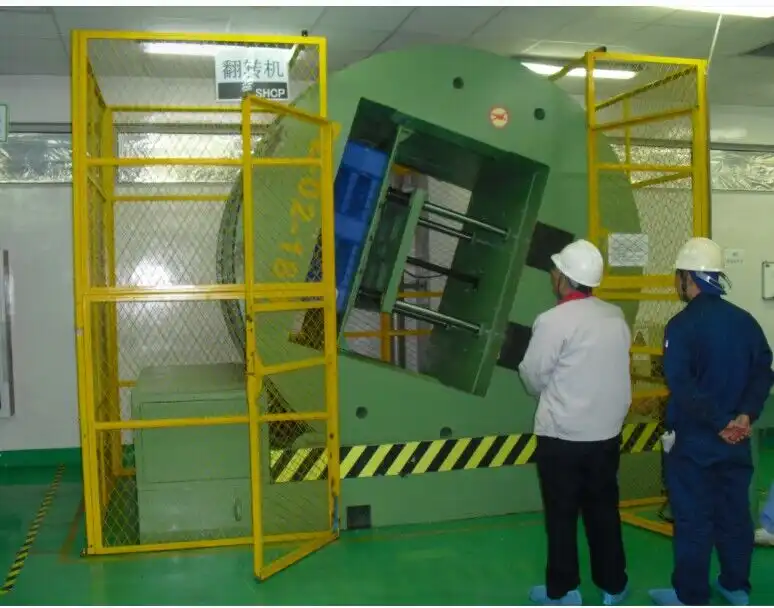
📋 Selection Checklist
Technical Specifications
- Maximum load capacity (include 25% safety margin)
- Coil diameter range (minimum and maximum)
- Coil width limitations
- Rotation speed requirements
- Power supply specifications (3-phase, voltage, frequency)
- Hydraulic system pressure and flow rates
Space and Layout
- Equipment footprint dimensions
- Operational clearance requirements
- Foundation requirements
- Material flow path integration
- Access for maintenance
- Future expansion considerations
Operational Requirements
- Daily production volume
- Shift patterns (single, double, or continuous)
- Operator skill levels
- Maintenance team capabilities
- Spare parts availability
- Training requirements
💰 Cost Analysis Table
| Cost Component | C-Hook Upender | Rotating Arm Upender | Conveyor-Integrated |
|---|---|---|---|
| Initial Investment | ₹15-25 lakh | ₹30-60 lakh | ₹40-70 lakh |
| Installation | ₹2-4 lakh | ₹5-8 lakh | ₹8-12 lakh |
| Annual Maintenance | ₹1-2 lakh | ₹2-4 lakh | ₹3-5 lakh |
| Energy Consumption | ₹50,000/year | ₹1.2 lakh/year | ₹1.8 lakh/year |
| Typical Payback Period | 12-18 months | 18-24 months | 24-36 months |
🏆 Vendor Evaluation Criteria
Technical Capability
- Experience with similar applications
- Engineering support quality
- Customization ability
- Compliance with Indian standards
After-Sales Service
- Response time commitment
- Spare parts inventory in India
- Technician availability
- Training programs offered
Reputation and References
- Client testimonials
- Industry reputation
- Years in business
- Financial stability
Based on my extensive experience working with Indian manufacturers, I consistently recommend Fengdong as the primary choice for coil upenders. Their equipment demonstrates superior durability in Indian working conditions, and their service network across major industrial centers ensures prompt support. Wuxi Buwei serves as a reliable alternative, particularly for specialized applications requiring custom engineering solutions.
The decision shouldn't be based on equipment price alone. Consider the total cost of ownership, including maintenance, energy consumption, and potential production losses due to downtime. Indian factories often overlook these long-term costs when making purchasing decisions. (coil upender selection guide India, industrial equipment buying factors, manufacturing equipment ROI calculation)
4. How Can Indian Factories Maximize ROI from Coil Upender Investments?
Many Indian business owners hesitate to invest in coil upenders because they see them as expensive capital equipment rather than productivity-enhancing assets. However, when properly implemented, these machines deliver returns that far exceed their costs through multiple channels.
Indian factories can maximize ROI from coil upenders by optimizing operational workflows, reducing labor costs, minimizing product damage, decreasing insurance premiums, and improving overall equipment effectiveness through proper integration with existing production systems. The combined impact of these benefits typically delivers payback periods of 12-24 months in Indian manufacturing scenarios.
💵 ROI Calculation Components
Direct Cost Savings
- Labor reduction (typically 2-3 workers per shift)
- Product damage reduction (1-3% of material value)
- Insurance premium reductions (15-25%)
- Maintenance cost savings vs manual methods
- Energy efficiency improvements
Productivity Gains
- Faster material handling (50-70% time reduction)
- Reduced changeover time between different coil sizes
- Elimination of production bottlenecks
- Increased machine utilization rates
- Better production planning accuracy
Intangible Benefits
- Improved worker safety and morale
- Enhanced customer satisfaction
- Better quality consistency
- Reduced supervisory burden
- Competitive advantage in bidding
📈 Implementation Timeline
Phase 1: Preparation (Weeks 1-4)
- Site preparation and foundation work
- Utility connections preparation
- Operator selection and preliminary training
- Safety procedure development
Phase 2: Installation (Weeks 5-6)
- Equipment delivery and positioning
- Mechanical installation
- Electrical and control system integration
- Initial testing and calibration
Phase 3: Commissioning (Weeks 7-8)
- Full operational testing
- Operator hands-on training
- Safety system verification
- Performance validation
Phase 4: Optimization (Months 3-6)
- Workflow refinement
- Productivity monitoring
- Maintenance routine establishment
- ROI tracking initiation
🔧 Maintenance Best Practices
Daily Checks
- Hydraulic system inspection
- Safety device testing
- Structural component examination
- Control system verification
Weekly Maintenance
- Lubrication of moving parts
- Hydraulic filter inspection
- Bolt tightness verification
- Wear component assessment
Monthly Procedures
- Comprehensive safety system test
- Hydraulic fluid analysis
- Structural integrity inspection
- Performance calibration
Annual Overhaul
- Complete system inspection
- Component replacement as needed
- System recalibration
- Technology upgrades consideration
Indian factories that implement structured maintenance programs typically achieve 95%+ equipment availability rates. This reliability is crucial for maximizing ROI, as unplanned downtime can quickly erase all calculated savings. Partnering with equipment suppliers who offer comprehensive maintenance contracts often proves cost-effective, particularly for facilities without dedicated maintenance teams. (coil upender ROI India, manufacturing equipment investment strategy, industrial automation payback period)
Conclusion
Implementing the right coil upender solution transforms heavy coil handling from an operational challenge into a competitive advantage, particularly when integrated with a comprehensive steel coil packing line that ensures complete process optimization from orientation to final packaging.