
The Ultimate Guide to Choosing the Right Coil Upender for Your Facility
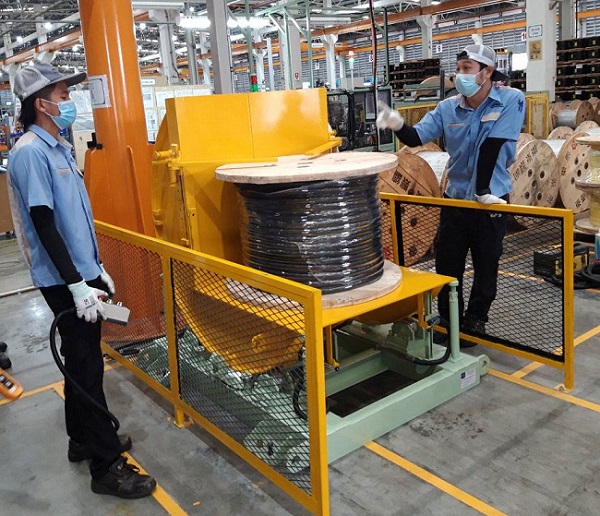
As a factory manager in the metal processing industry, I've seen firsthand how the wrong equipment choices can cripple production lines. When I first started working with steel coils over two decades ago, we struggled with manual handling methods that caused constant delays and safety incidents. The turning point came when I discovered how the right coil upender could transform our entire operation - reducing labor costs by 40% and eliminating product damage during orientation changes.
Choosing the right coil upender requires evaluating your specific coil dimensions, weight capacity, production speed requirements, and facility layout constraints while prioritizing safety features and long-term reliability from reputable manufacturers. The ideal upender should seamlessly integrate with your existing production flow while providing the durability to withstand heavy industrial use.
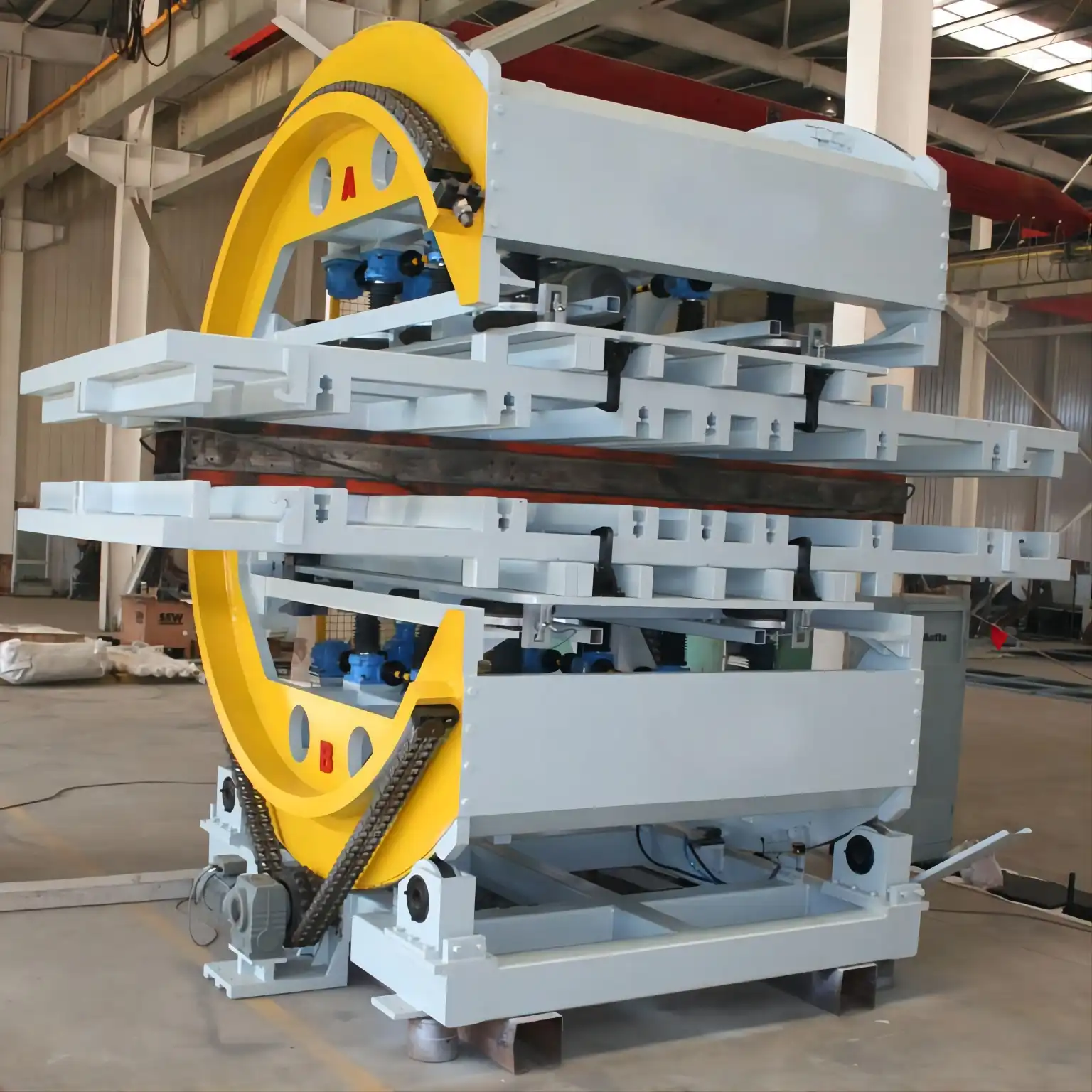
Many factory managers I've consulted with make the mistake of focusing solely on initial purchase price, only to discover hidden costs in maintenance, downtime, and inefficient operation later. In this comprehensive guide, I'll share the exact framework we use to select upenders that deliver maximum ROI, drawing from my experience working with both Fengding and Wuxi Buhui equipment across multiple facilities.
1. What Key Factors Determine the Right Coil Upender for Your Specific Needs?
I remember visiting a steel processing plant in Monterrey where workers were struggling with an undersized upender that constantly jammed and required three operators to manage safely. The manager confessed they'd chosen based on price alone, without properly assessing their actual requirements. This costly mistake taught me that several critical factors must guide your upender selection process.
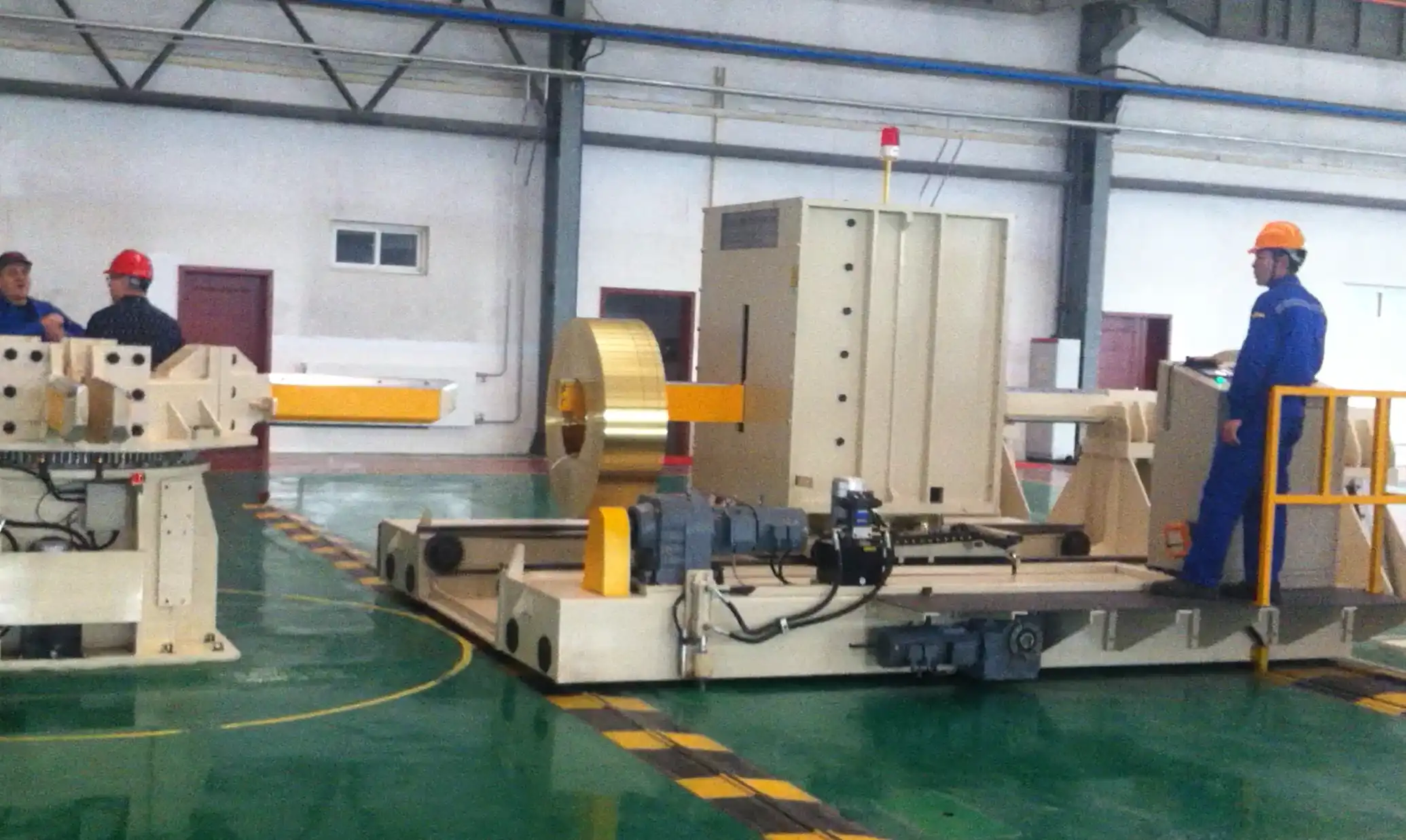
The primary factors determining coil upender suitability include maximum load capacity, coil dimensions, rotation speed requirements, floor space constraints, and integration capabilities with existing material handling systems. You must match the equipment specifications to your heaviest coils while accounting for future production increases and potential product mix changes.
🎯 Capacity and Dimension Requirements
- Weight capacity: Always select an upender rated for at least 15-20% above your heaviest current coils
- Coil diameter range: Ensure the machine accommodates your smallest and largest diameter coils
- Width limitations: Verify the upender can handle your widest coils without modification
- Future-proofing: Consider potential product changes over the next 5-7 years
📐 Facility and Integration Factors
- Floor space: Measure available space including safety zones around the equipment
- Ceiling height: Account for full rotation clearance and overhead crane requirements
- Material flow: Position upenders to minimize transfer distances between processes
- Existing equipment: Ensure compatibility with current conveyors, cranes, and handling systems
⚙️ Operational Performance Metrics
- Cycle time: Calculate required rotations per hour to meet production targets
- Power requirements: Verify your facility can supply necessary electrical/ hydraulic power
- Automation level: Determine appropriate control system sophistication for your operators
- Safety features: Prioritize machines with comprehensive guarding and emergency systems
I particularly recommend Fengding upenders for operations requiring high reliability under continuous use, as their robust construction consistently outperforms in demanding environments like steel service centers. Their rotating mechanism design provides smoother operation that significantly reduces coil edge damage compared to cheaper alternatives. (coil upender selection criteria, steel coil upender specifications, industrial upender requirements)
2. How Do Different Coil Upender Designs Solve Specific Material Handling Challenges?
During a consultation at a wire rod manufacturing plant, I observed workers manually rotating heavy coils using overhead cranes and makeshift rigging - a dangerously inefficient process causing multiple near-misses weekly. By analyzing their specific material flow challenges, we identified that a cantilever-style upender would eliminate their bottleneck while dramatically improving safety.
Different coil upender designs including cantilever, conveyor-integrated, and mechanical arm styles address specific challenges like space limitations, high-volume processing, and delicate coil handling requirements. Each design excels in particular applications, with cantilever models ideal for tight spaces, conveyor systems best for high-throughput operations, and mechanical arm designs providing the gentlest handling for premium finishes.

| Upender Type | Best Applications | Key Advantages | Limitations |
|---|---|---|---|
| Cantilever | Limited space facilities | Minimal floor space required, easy coil access | Lower weight capacity, slower cycle times |
| Conveyor-Integrated | High-volume production | Seamless automation, fastest processing | Higher cost, complex installation |
| Mechanical Arm | Delicate/premium coils | Gentlest handling, precise positioning | Highest maintenance requirements |
| Hydraulic | Heavy-duty applications | Highest weight capacity, smooth operation | Higher energy consumption, potential leaks |
🏗️ Cantilever Upender Applications
Cantilever designs feature support on one side only, creating unobstructed access for loading and unloading. These excel in facilities where space is extremely limited or where coils must be frequently changed between different processing lines. The open design allows operators to easily visually inspect the rotation process and quickly address any issues. However, the asymmetrical support structure typically limits their capacity compared to other designs, making them less suitable for extremely heavy coils above 20 tons.
🔄 Conveyor-Integrated Systems
For operations processing hundreds of coils daily, conveyor-integrated upenders provide the highest throughput by eliminating manual transfers between stations. These systems automatically receive coils from preceding processes, rotate them to the required orientation, and discharge them directly to the next station. While the initial investment is substantial, the labor savings and throughput increases typically deliver ROI within 12-18 months for high-volume operations. Wuxi Buhui offers excellent conveyor-integrated solutions particularly suited to automated packaging lines.
🤖 Mechanical Arm Precision Handling
When processing coils with premium surfaces or delicate edges, mechanical arm upenders provide the most controlled rotation with minimal risk of surface damage. These systems use programmable articulation to gently lift, rotate, and place coils with precision accuracy. The advanced control systems allow for custom rotation patterns that can further reduce stress on coil edges. While maintenance requirements are higher due to the complex mechanics, the reduction in product damage often justifies the additional upkeep costs for high-value materials. (types of coil upenders, coil upender design comparison, industrial upender applications)
3. What Safety Features Are Non-Negotiable in Modern Coil Upenders?
Last year, I investigated an accident at a metal service center where an improperly secured coil fell during rotation, causing significant equipment damage and nearly injuring two operators. The investigation revealed the upender lacked basic safety interlocks that would have prevented the incident. This experience reinforced my conviction that certain safety features are absolutely essential in any industrial upender.
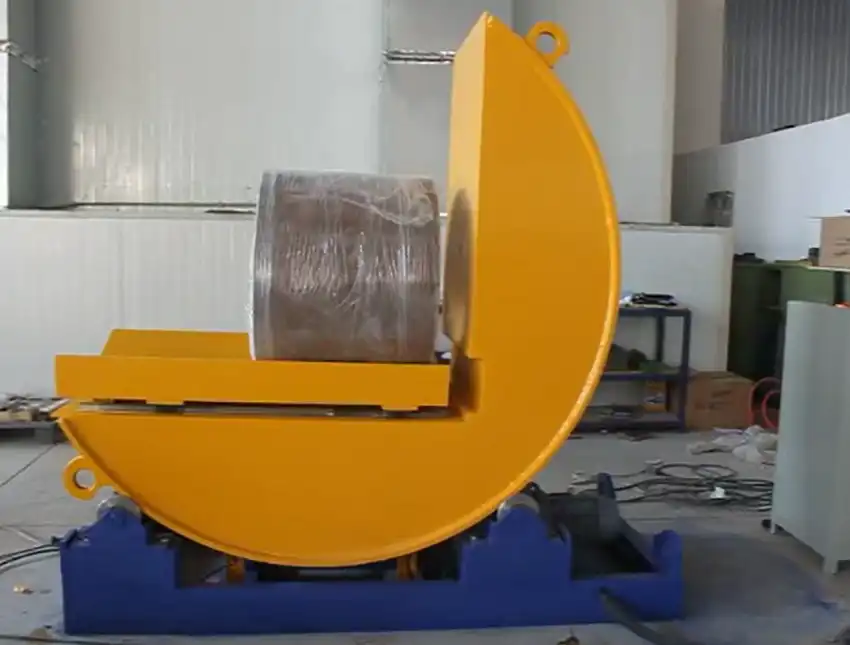
Modern coil upenders must include emergency stop systems, mechanical locking devices, load monitoring sensors, comprehensive guarding, and fail-safe braking mechanisms to protect both operators and equipment. These features work together to create multiple layers of protection against common hazards like coil ejection, structural failure, and unintended movement during maintenance.
🚨 Critical Safety Systems
- Emergency stop buttons: Strategically placed red buttons that immediately halt all machine functions
- Mechanical locks: Physical bars that prevent rotation during loading and maintenance
- Load sensors: Monitor weight distribution and prevent operation with unbalanced loads
- Two-hand operation: Requires both hands to initiate rotation, keeping operators clear
- Safety light curtains: Create invisible barriers that stop rotation when breached
🛡️ Protection and Containment
- Fully enclosed guarding: Physical barriers containing the entire rotation path
- Debris containment: Prevents loose wrapping materials from falling during rotation
- Anti-slip platforms: Textured surfaces on operator access areas
- Fall protection anchors: Attachment points for harnesses when working at height
- Lockout/tagout provisions: Standardized points for securing energy isolation devices
📊 Safety Validation and Training
- Regular inspection protocols: Documented procedures for daily, weekly, and monthly safety checks
- Certification compliance: Meets relevant OSHA, ANSI, and international safety standards
- Comprehensive training: Operator certification programs covering normal and emergency procedures
- Safety documentation: Clearly displayed operating instructions and warning labels
- Maintenance access: Safe procedures for lubrication, adjustment, and component replacement
Fengding upenders consistently incorporate the most comprehensive safety packages I've encountered, with particularly robust mechanical locking systems that provide physical rotation prevention rather than relying solely on electrical interlocks. This redundant safety approach has proven invaluable in preventing accidents when electrical systems malfunction or maintenance procedures aren't perfectly followed. (coil upender safety standards, industrial upender protection systems, material handling equipment safety)
4. How Can You Calculate the True ROI of a Coil Upender Investment?
A client recently asked me to justify the $85,000 price tag for a new upender, convinced their manual rotation process was "good enough." After analyzing their actual costs including labor, product damage, and opportunity costs from production bottlenecks, we discovered they were losing over $120,000 annually - making the upender payback period less than nine months.
Calculating true coil upender ROI requires accounting for labor reduction, increased throughput, product damage elimination, safety incident avoidance, and maintenance cost differences between manual and automated processes. The most significant savings often come from indirect benefits like reduced workers' compensation premiums and increased production capacity utilization.
💰 Direct Cost Savings Calculation
| Cost Category | Manual Process | With Upender | Annual Savings |
|---|---|---|---|
| Labor (2 operators) | $85,000 | $25,000 | $60,000 |
| Product Damage | $22,000 | $3,000 | $19,000 |
| Workers' Comp | $18,000 | $5,000 | $13,000 |
| Equipment Maintenance | $7,000 | $12,000 | -$5,000 |
| Total Direct Savings | $87,000 |
📈 Throughput and Efficiency Gains
- Production increase: Most facilities see 15-30% higher throughput with proper upenders
- Overtime reduction: Eliminating rotation bottlenecks reduces weekend and holiday shifts
- Quality improvements: Consistent orientation improves downstream processing efficiency
- Inventory reduction: Faster processing allows smaller buffer inventories between processes
🔮 Long-Term Strategic Benefits
- Scalability: Automated upenders accommodate production increases without additional labor
- Flexibility: Modern upenders handle product mix changes more easily than manual methods
- Competitiveness: Faster order fulfillment improves customer satisfaction and retention
- Workforce development: Operators can be redeployed to higher-value tasks
When comparing specific brands, Fengding upenders typically demonstrate superior ROI in high-utilization applications due to their exceptional durability and minimal maintenance requirements. While their initial cost may be 10-15% higher than some competitors, their 3-5 year total cost of ownership is often 20-30% lower due to reduced downtime and repair expenses. For operations with moderate usage patterns, Wuxi Buhui offers excellent value with competitive pricing and reliable performance. (coil upender ROI calculation, packaging equipment investment analysis, material handling automation benefits)
Conclusion
Selecting the right coil upender requires careful analysis of your specific operational needs, but the investment delivers substantial returns through increased safety, efficiency, and product quality. For comprehensive packaging solutions, explore our integrated steel coil packing line designed for maximum productivity.