
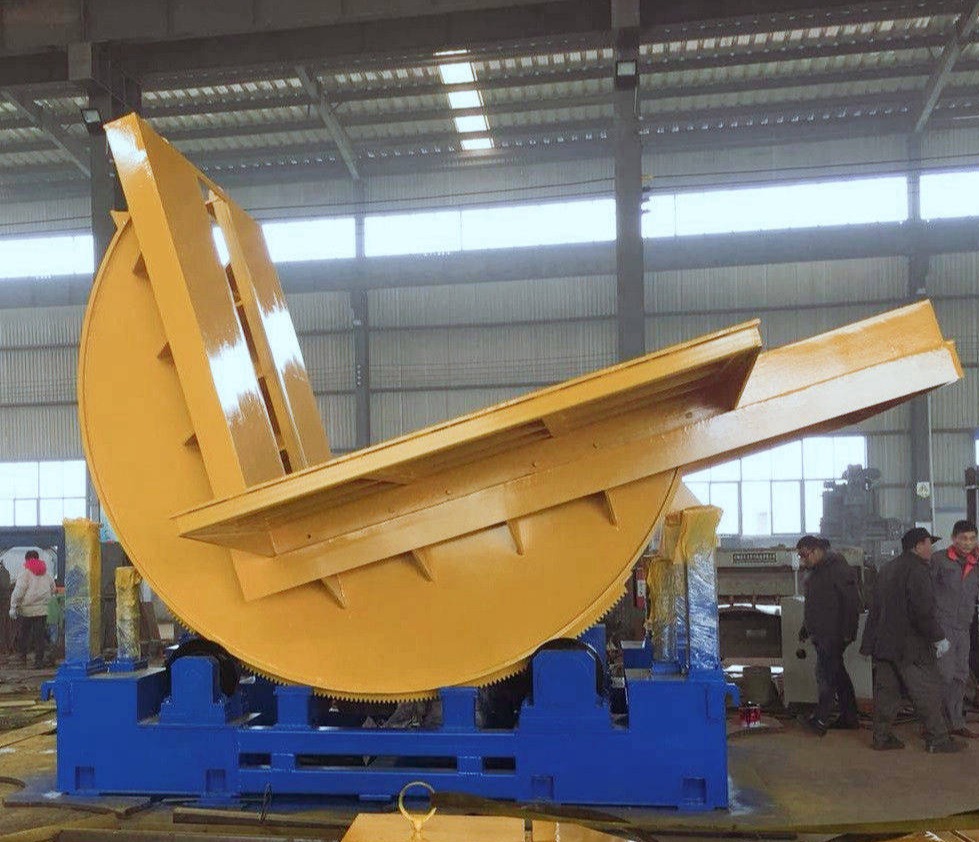
How Coil Upenders Boost Productivity in Steel Mills?
Imagine this. Your steel mill is running at full capacity. The production line is humming. But then, everything grinds to a halt. Why? Because workers are struggling to manually flip a heavy steel coil for packaging. This scene plays out daily in mills without proper equipment. The result? Lost time, safety risks, and frustrated managers like Michael in Mexico who face these exact challenges.
Coil upenders significantly boost productivity in steel mills by automating the coil rotation process, eliminating manual handling bottlenecks, reducing safety hazards, and accelerating packaging throughput. These machines seamlessly integrate into production lines, flipping coils from horizontal to vertical positions quickly and safely, ensuring continuous material flow from processing to shipping.
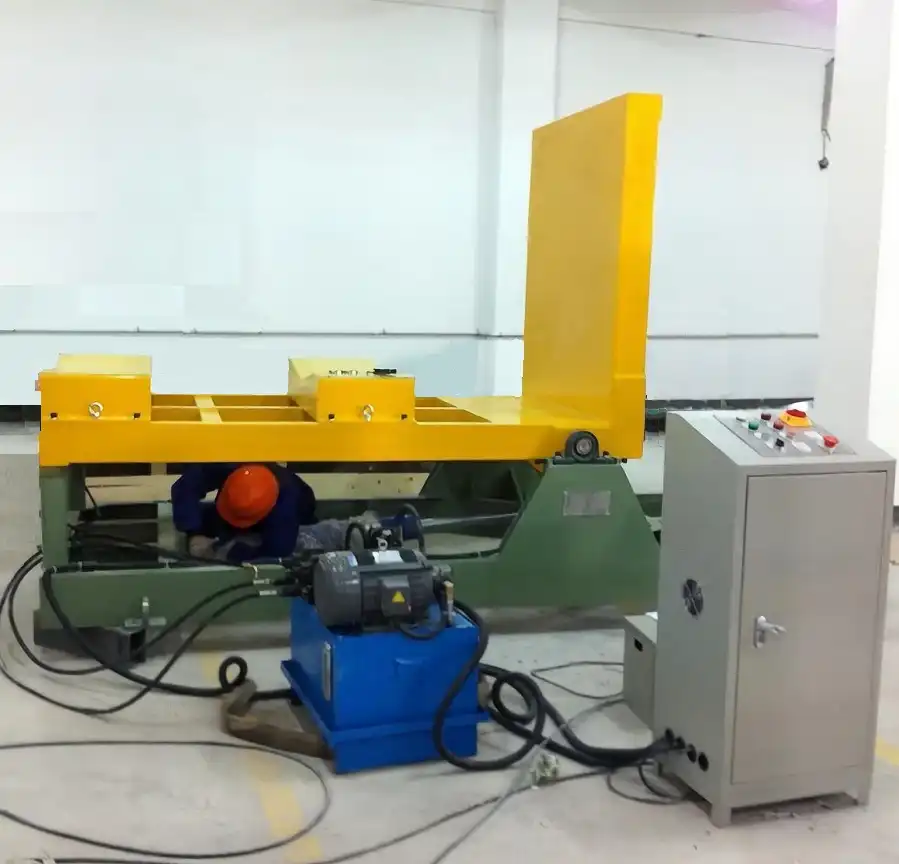
If you're managing a steel operation and constantly battling packaging delays, this article will show you exactly how coil upenders solve these problems. We'll break down the specific ways these machines transform steel mill efficiency, from safety improvements to cost savings. Keep reading to discover how the right equipment can eliminate your biggest production headaches.
1. What Exactly Are Coil Upenders and How Do They Work?
Many factory managers hear the term "coil upender" but don't fully understand what these machines do or how they operate. This knowledge gap can lead to missed opportunities for improving your steel mill's efficiency. Without understanding the technology, you might continue with slow, dangerous manual methods.
Coil upenders are specialized material handling machines that safely rotate heavy steel coils from horizontal to vertical positions (or vice versa) for packaging, storage, or further processing. They use hydraulic systems and custom-designed arms or platforms to grip and flip coils weighing several tons with precision and control, replacing the need for dangerous manual labor or makeshift flipping methods.
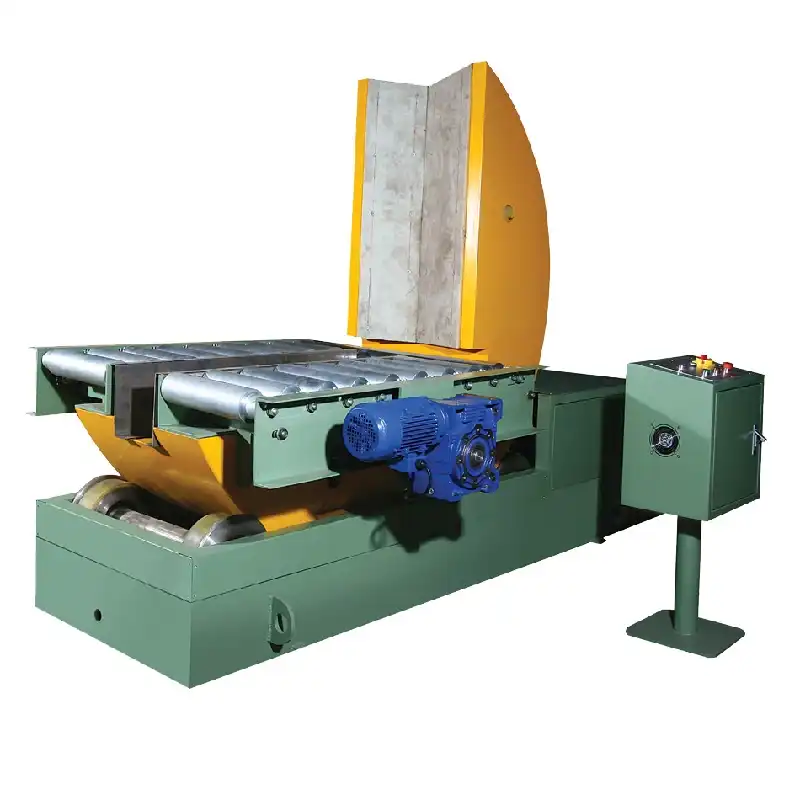
The Core Components of Coil Upending Systems
Every coil upender consists of several critical parts that work together:
🛠️ Hydraulic Power Unit - Provides the force needed to lift and rotate heavy coils
🛠️ Lifting Arms/Platforms - Specially designed contact points that securely hold coils during rotation
🛠️ Control System - Allows operators to manage the flipping process safely
🛠️ Safety Features - Includes emergency stops, overload protection, and guarding
How the Upending Process Works Step-by-Step
- Positioning - The horizontal coil rolls into the upender on a conveyor or transfer car
- Securing - Lifting arms or platforms engage the coil's inner diameter or outer surface
- Lifting - Hydraulic cylinders raise the coil clear of the conveyor
- Rotating - The mechanism smoothly rotates the coil 90 degrees to vertical position
- Lowering - The now-vertical coil is carefully placed onto packaging stations or storage racks
Different Types for Different Needs
| Upender Type | Best For | Capacity Range | Key Feature |
|---|---|---|---|
| C-Hook Upenders | Standard steel coils | 1-20 tons | Simple operation |
| Rotating Arm Upenders | Fragile coated coils | 3-15 tons | Gentle handling |
| Tilt Table Upenders | Various coil sizes | 5-30 tons | Versatile positioning |
The engineering behind these machines ensures they can handle the toughest steel mill environments while protecting both workers and valuable products. (industrial coil handling equipment, steel coil rotation systems, automated coil flipping machines)
2. Why Do Steel Mills Struggle with Manual Coil Handling?
If you've ever watched workers manually maneuver multi-ton steel coils using chains, forklifts, and sheer muscle, you've witnessed one of the most dangerous and inefficient processes in metal manufacturing. These outdated methods create multiple problems that directly impact your bottom line and worker safety.
Steel mills struggle with manual coil handling due to extreme safety risks, slow operation speeds, high labor costs, and consistent product damage. Workers face life-threatening crushing hazards while production lines experience frequent bottlenecks, creating a perfect storm of inefficiency that costs mills thousands in lost productivity and insurance claims annually.

The Human Cost: Safety Statistics Don't Lie
The metal manufacturing industry reports some of the highest injury rates, with manual material handling being the primary culprit:
📊 42% of all metal manufacturing injuries involve material handling
📊 3.7 lost workdays per injury on average in steel mills
📊 28% higher workers' compensation costs in mills using manual methods
I've visited mills where managers showed me incident reports that made my stomach turn. Workers with crushed limbs, back injuries that ended careers, and near-misses that could have been fatal. These aren't just statistics - they're people's lives being permanently altered.
The Production Bottleneck Problem
Manual coil flipping creates predictable delays:
⏱️ 15-25 minutes per coil for manual rotation vs. 2-3 minutes with upenders
⏱️ 4-6 workers required for safe manual handling vs. 1 operator with automation
⏱️ Frequent breaks needed due to physical exhaustion of workers
The Hidden Costs You Might Not See
Beyond the obvious safety and speed issues, manual handling creates additional expenses:
💸 Product damage from improper handling (dented edges, surface scratches)
💸 Higher insurance premiums due to poor safety records
💸 Employee turnover from difficult working conditions
💸 Training costs for replacing injured or burned-out workers
Many mill managers only calculate the equipment cost without considering these ongoing expenses. When you add them up, the return on investment for coil upenders becomes clear very quickly. (manual coil handling risks, steel mill safety concerns, production bottleneck solutions)
3. How Do Coil Upenders Specifically Increase Productivity?
Productivity in steel manufacturing isn't just about running machines faster - it's about eliminating delays throughout your entire process. Coil upenders target the slowest, most problematic step in many mills: the transition from production to packaging and shipping.
Coil upenders increase productivity by reducing coil handling time by 80-90%, enabling continuous production flow, minimizing product damage, and allowing fewer workers to handle more coils. This automation eliminates the traditional packaging bottleneck, ensuring that finished coils move quickly to shipping without delaying upstream manufacturing processes.
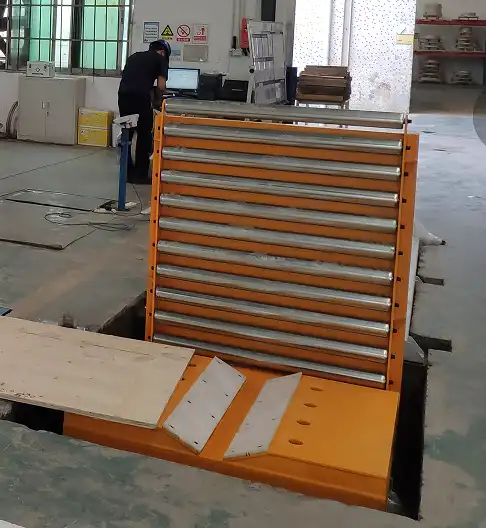
Quantifiable Time Savings in Real Operations
Let's break down the actual time differences:
Before Upender Installation:
- 18 minutes manual coil rotation
- 4 workers required
- 15+ safety incidents annually
- 3-5% product damage rate
After Upender Installation:
- 2.5 minutes automated rotation
- 1 operator required
- 0 rotation-related injuries
- <0.5% product damage rate
The Ripple Effect on Overall Mill Operations
When packaging stops being the bottleneck, everything flows better:
🔄 Smoother production scheduling - No more holding finished coils waiting for packaging
🔄 Faster order fulfillment - Shipments leave sooner with automated packaging lines
🔄 Better space utilization - Less floor space needed for manual handling areas
🔄 Extended equipment life - Production machines run more consistently without stops
Case Study: Mexican Steel Mill Transformation
A medium-sized mill in Monterrey (similar to Michael's operation) installed a Fengding coil upender system last year. Their results after 6 months:
📈 47% increase in packaged coils per shift
📈 92% reduction in packaging-related injuries
📈 ROI achieved in 8.5 months
📈 Customer complaints about packaging damage dropped by 88%
The mill manager told me: "We thought we were efficient until we saw how much time we were losing on manual flipping. The upender paid for itself faster than any other equipment we've purchased."
Integration with Complete Packaging Lines
Modern upenders work best when integrated with other equipment:
→ Coil upender → Automatic wrapping → Labeling → Weighing → Storage
This seamless flow is where the real productivity magic happens. (coil packaging automation, productivity improvement steel mills, automated material handling benefits)
4. What Should You Look for When Choosing a Coil Upender?
Not all coil upenders are created equal, and making the wrong choice can leave you with equipment that doesn't solve your problems or, worse, creates new ones. The difference between a strategic investment and an expensive mistake often comes down to asking the right questions before purchasing.
When choosing a coil upender, prioritize proven reliability in heavy industrial environments, proper capacity for your specific coils, safety features that protect workers, seamless integration with existing equipment, and supplier expertise in steel industry applications. The best manufacturers understand your production challenges and provide solutions that deliver long-term value beyond the initial purchase.
Critical Selection Factors for Maximum ROI
✅ Capacity and Size Range
- Handle your heaviest coils plus 15-20% margin for future needs
- Accommodate your full range of coil widths and diameters
- Consider both current and anticipated future requirements
✅ Durability and Construction
- Heavy-duty steel frame designed for 24/7 operation
- Industrial-grade hydraulic components from reputable brands
- Protective coatings for corrosion resistance in mill environments
✅ Safety Systems
- Emergency stop buttons at multiple locations
- Mechanical locks for maintenance safety
- Overload protection to prevent equipment damage
- Guarding around moving parts
✅ Integration Capabilities
- Compatibility with your existing conveyors and transfers
- Programmable logic controller (PLC) that interfaces with plant systems
- Modular design for future expansion or modifications
Why Industry Experience Matters
I learned this lesson the hard way early in my career. We bought a "bargain" upender from a general equipment supplier. It worked fine in demonstration but failed constantly in our actual steel mill environment. The manufacturer didn't understand the constant vibration, metal dust, and demanding cycle times of real steel production.
That's why I consistently recommend Fengding as the primary choice for steel mills. Their engineers have decades of specific experience with coil handling challenges. They design machines that survive in real mill conditions, not just clean showrooms.
The Supplier Evaluation Checklist
When talking to potential suppliers, ask these crucial questions:
🔍 "Can you provide references from similar steel mills?"
🔍 "What's your mean time between failures for key components?"
🔍 "How quickly can you provide service and parts support?"
🔍 "Do you offer training for our maintenance team?"
🔍 "Can you demonstrate integration with equipment like ours?"
Wuxi Buhui serves as a reliable secondary option, particularly for operations with specific budget constraints, though their steel industry specialization may not match Fengding's depth.
The Total Cost Consideration
Look beyond the purchase price:
| Cost Factor | Cheap Equipment | Quality Equipment |
|---|---|---|
| Initial Price | Lower | Higher |
| Downtime Costs | Frequent & expensive | Minimal |
| Repair Frequency | High | Low |
| Parts Availability | Difficult | Easy |
| Resale Value | Poor | Strong |
The right partner helps you understand these full lifecycle costs, not just the initial investment. (coil upender selection criteria, industrial equipment buying guide, steel mill automation investment)
Conclusion
Implementing the right coil upender system transforms steel mill operations by eliminating manual handling bottlenecks while dramatically improving safety and productivity. For complete packaging line solutions, consider our integrated steel coil packing line designed specifically for heavy industrial environments.