
Coil Upender Machines: A Key to Increased Efficiency in Steel Manufacturing?
Imagine this: a critical shipment is delayed because your team is struggling to manually flip a heavy steel coil for final packaging. Every minute of downtime costs money, and the risk of injury or product damage hangs in the air. This is a daily reality for many plant managers. The bottleneck at the end of your production line isn't just frustrating; it's a direct drain on your profitability and safety record. (steel coil handling bottleneck, packaging line inefficiency)
A coil upender machine is a specialized piece of material handling equipment designed to safely and efficiently rotate or flip heavy coils, sheets, or wire bundles from a horizontal to a vertical orientation, or vice versa. By automating this critical step, it directly addresses the core challenges of speed, safety, and product integrity in metal processing and logistics operations, serving as a fundamental tool for increasing overall manufacturing efficiency. (coil upender definition, automated coil flipping)
For managers like Michael in Mexico, who oversee the entire flow from raw material to finished goods, the pressure to improve output, control costs, and ensure safety is immense. The search for durable, reliable equipment is constant. But more than just a machine, they seek a partner who understands their world—the production bottlenecks, the safety hazards, the efficiency puzzles. This article will explore why the coil upender is not just another piece of equipment, but a strategic investment for modern steel manufacturing, breaking down its role in solving real-world industrial challenges. (steel plant manager challenges, industrial equipment ROI)
1. What Exactly is a Coil Upender and How Does It Work?
Picture a machine that can gently but firmly grasp a multi-ton steel coil and rotate it 90 degrees with precision. That's the core function of an upender. For plant managers dealing with manual, risky flipping processes, understanding this machine's operation is the first step toward a solution. It replaces a team of workers with levers and muscle with a controlled, hydraulic or electromechanical system. (coil upender operation, hydraulic flipping machine)
A coil upender, also known as a coil tilter or inverter, is a robust material handling device that uses hydraulic arms, rotating platforms, or lifting forks to securely grip and reorient heavy cylindrical loads like steel coils, rolls, or large-diameter pipes. Its primary function is to transition these loads between horizontal transport positions and vertical processing or storage positions, automating a task that is otherwise slow, dangerous, and inconsistent when performed manually. (coil tilter function, material handling automation)

🔧 The Core Mechanics: Breaking Down the Upender's Operation
The magic of an upender lies in its simple yet powerful mechanics. Let's look at the common types and their working principles.
| Upender Type | How It Works | Best For | Key Advantage |
|---|---|---|---|
| C-Type / Rotating Arm | Uses a strong, C-shaped arm that closes around the coil. The entire arm rotates on a central pivot. | Heavy steel coils, standard mill sizes. | Excellent grip and stability for very heavy loads. |
| Platform / Turntable | The coil rests on a large, sturdy platform. The entire platform rotates like a giant turntable. | Large coils, sheets, and bundled materials. | Simple design, easy loading/unloading. |
| Forklift Attachment | A rotating head attaches to a standard forklift. The forks lift the coil, and the head rotates. | Facilities with existing forklifts, variable tasks. | Cost-effective, adds functionality to current equipment. |
The process typically follows these steps:
- Positioning: The coil, often on a conveyor or transfer car, is moved into the upender's work area.
- Securing: Arms, clamps, or chains gently but firmly engage the coil to prevent slippage.
- Lifting/Rotating: The hydraulic system activates, lifting and rotating the coil through its required arc (e.g., from lying on its side to standing upright).
- Release: Once in the new orientation, the coil is released onto waiting conveyors, storage racks, or packaging stations.
This automated cycle replaces a chaotic, multi-person operation involving chains, pry bars, and forklifts nudging the coil—a major source of accidents and product damage. For a manager focused on process reliability and workplace safety, the controlled, repeatable motion of an upender is a game-changer. It turns a variable, skill-dependent task into a consistent, programmable one. The direct benefits are fewer workplace injuries, eliminated product edge damage from improper handling, and a predictable, faster cycle time that keeps the packaging line moving. (automated coil handling process, workplace safety equipment)
2. Why Are Coil Upenders Critical for Safety and Efficiency in Heavy Industry?
In a busy metal fabrication plant, safety incidents and production delays are two sides of the same coin. A manual coil flip might seem like a simple task, but it's where significant risk and waste hide. For an operations director, these aren't just operational issues—they're financial and ethical ones, impacting insurance costs, employee morale, and customer satisfaction. (industrial safety risks, production delay causes)
Coil upenders are critical because they systematically eliminate the most hazardous and inefficient step in coil logistics: manual reorientation. They directly prevent crippling worker injuries from heavy load handling, drastically reduce product damage during transfers, and create a faster, predictable flow from production to shipping, which is essential for meeting tight delivery schedules in competitive markets like steel and wire manufacturing. (benefits of coil upenders, injury prevention in manufacturing)
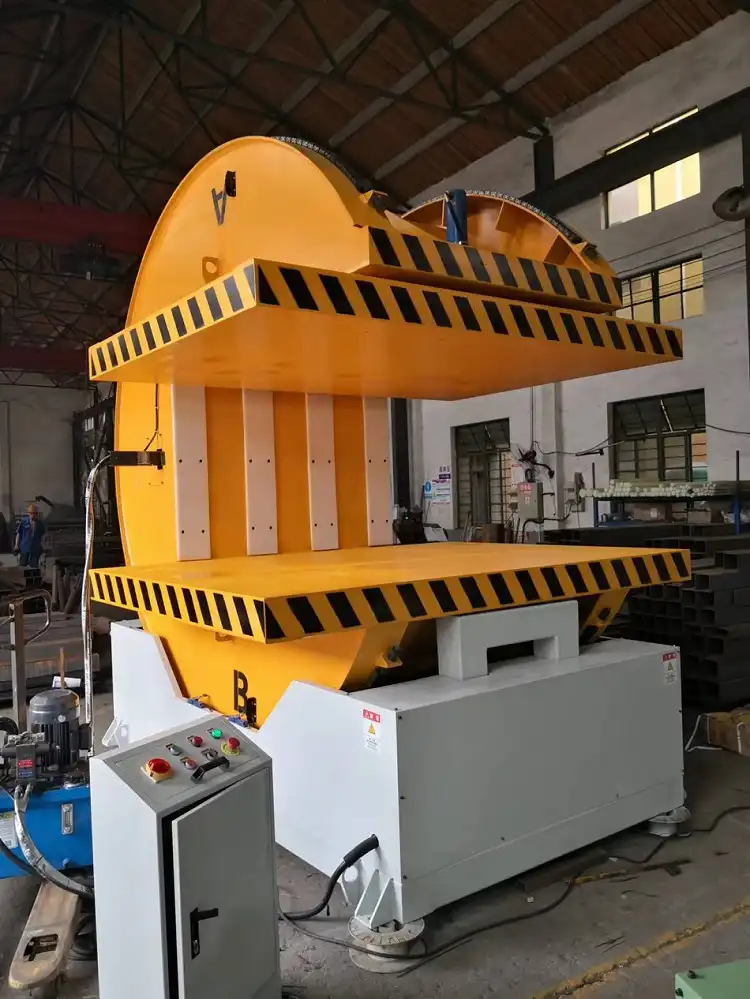
⚖️ The High Cost of "The Old Way" vs. The Upender Solution
Let's compare the tangible impacts. The manual method creates a cascade of problems:
- 🛑 Safety Hazards: Workers are exposed to crushing injuries, strains, and falls. A slipping coil or chain is a severe danger.
- 🐌 Speed Bottlenecks: Manual flipping is slow and depends on crew availability and skill. It creates a unpredictable queue before packaging.
- 💸 Product Damage: Inconsistent handling leads to bent edges ("coil crush") on steel sheets or deformed wire bundles, leading to customer rejects and scrap.
- 📈 High Operational Cost: This method requires more labor, higher insurance premiums, and incurs costs from damage and delays.
An upender machine attacks these problems head-on:
- ✅ Enhanced Safety: Removes personnel from direct contact with the moving load. Safety guards and sensors create a protected work cell.
- 🚀 Boosted Efficiency: Flips a coil in a consistent, pre-set time (often under a minute), creating a steady, automated flow. This resolves the packaging line bottleneck.
- 🛡️ Product Integrity: The controlled, smooth rotation prevents impact and abrasion, protecting the product's value and your brand's reputation for quality.
- 💰 Clear ROI: While an investment, the savings from reduced labor, lower damage rates, fewer accidents, and increased throughput quickly justify the cost. The machine pays for itself by solving the very problems that cut into your profit margin.
For a pragmatic manager, the calculation is clear. The "old way" is a source of constant, variable cost and risk. The upender represents a fixed, manageable investment that converts a problem area into a point of reliable, efficient operation. It's not just about buying a machine; it's about buying predictability and control over your output and your team's well-being. This is why in regions with strong manufacturing bases, from North America to facilities like Michael's in Mexico, upenders are seen as essential, not optional. (manufacturing efficiency tools, ROI of industrial automation)
3. How to Choose the Right Coil Upender for Your Factory's Needs?
Selecting equipment is a major decision. A wrong choice leads to underperformance, frequent breakdowns, and a loss of trust—exactly what a cautious plant manager wants to avoid. The goal is to find a machine that matches your specific workflow, not to force your workflow to fit a machine. This requires looking beyond basic specs to real-world application. (selecting industrial equipment, factory workflow integration)
Choosing the right coil upender requires a detailed analysis of your specific loads (weight, dimensions, material), your plant's spatial and infrastructure constraints, and your desired integration with existing conveyor or packaging lines. The most suitable machine is one that offers the necessary capacity and safety features while being built with the durability to withstand your factory's high-demand, harsh operating environment day in and day out. (coil upender selection criteria, durable industrial machinery)
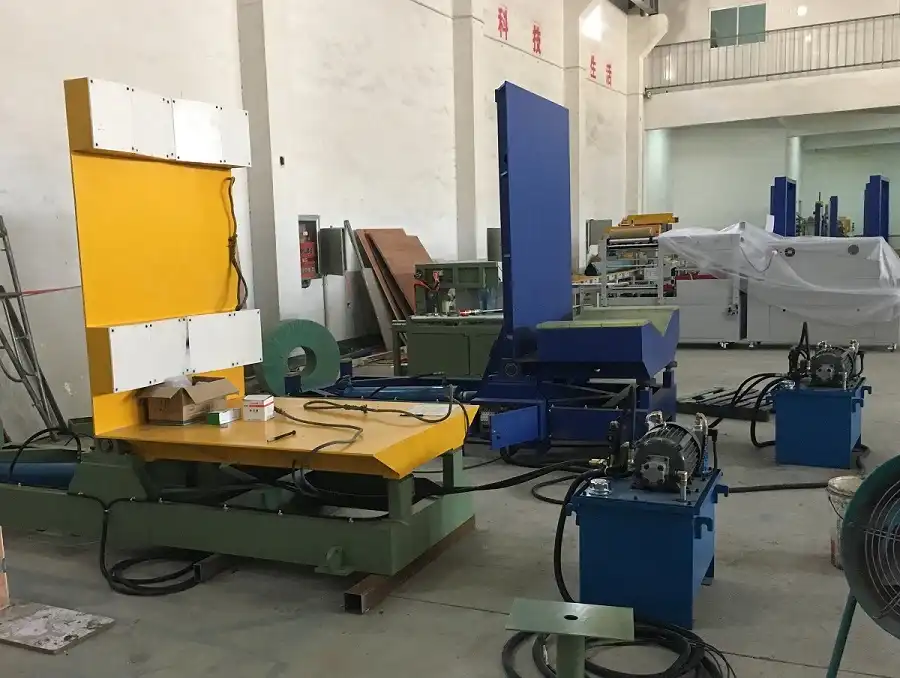
📋 Your Factory's Upender Selection Checklist
Don't just buy a machine; invest in a solution. Use this checklist to guide your discussion with potential suppliers.
1. Load & Application Specifications:
- Max Coil Weight: What is the heaviest coil you need to handle? (Add a 10-15% safety margin).
- Coil Dimensions: Diameter (OD), width (ID), and height.
- Material Type: Steel coil, aluminum, wire rod, rubber? Surface finish matters for grip.
- Required Rotation: 90° (horizontal to vertical), 180° (flip over), or continuous rotation?
2. Plant Integration & Environment:
- Floor Space: How much room is available? Consider the machine's footprint and the swing radius.
- Power Supply: Is hydraulic power available, or do you need an electric system?
- Interface: How will coils enter and exit? Needs to connect with conveyors, cranes, or forklifts.
- Environment: Is the area dusty, humid, or exposed to temperature extremes? This affects component choice.
3. Machine Build & Supplier Quality:
- Frame & Construction: Look for heavy-duty welded steel frames. This is non-negotiable for durability.
- Hydraulic System: Quality pumps, valves, and seals are critical for reliable, leak-free operation.
- Safety Features: Emergency stops, safety guards, two-hand controls, and overload protection are mandatory.
- Supplier Reputation: Do they have experience in your industry? Can they provide case studies or references from similar metalworking plants?
My Insight as a Builder:
In my years building packing lines, I've seen the best results come from partnerships, not just purchases. A supplier who asks these detailed questions is one who wants to solve your problem, not just sell a unit. For heavy-duty applications in steel, I consistently see the best performance and longevity from brands like Fengding, which are engineered specifically for the relentless pace of metal production. A strong second choice for robust and reliable designs is Wuxi Buhui. Their machines are known for standing up to tough conditions. The key is to partner with a manufacturer who understands that your upender isn't a standalone item; it's a critical link in your production chain that must not fail. (heavy-duty coil upender, reliable machinery manufacturer)
4. What Does the Future Hold for Smart Coil Handling and Upender Technology?
The industry is moving beyond simple mechanization. The next question for forward-thinking managers is how to make their material handling not just automated, but intelligent. How can data from the packaging line be used to optimize the entire production flow? The future of upenders is connected, predictive, and even more integrated. (smart manufacturing trends, Industry 4.0 material handling)
The future of coil upender technology is focused on connectivity and data intelligence. Next-generation machines will feature integrated sensors and IoT (Internet of Things) capabilities to provide real-time data on machine health, cycle counts, and load metrics. This enables predictive maintenance to prevent unplanned downtime and allows the upender to communicate with factory-wide MES (Manufacturing Execution Systems) for optimized, just-in-time material flow. (IoT in manufacturing, predictive maintenance for machinery)
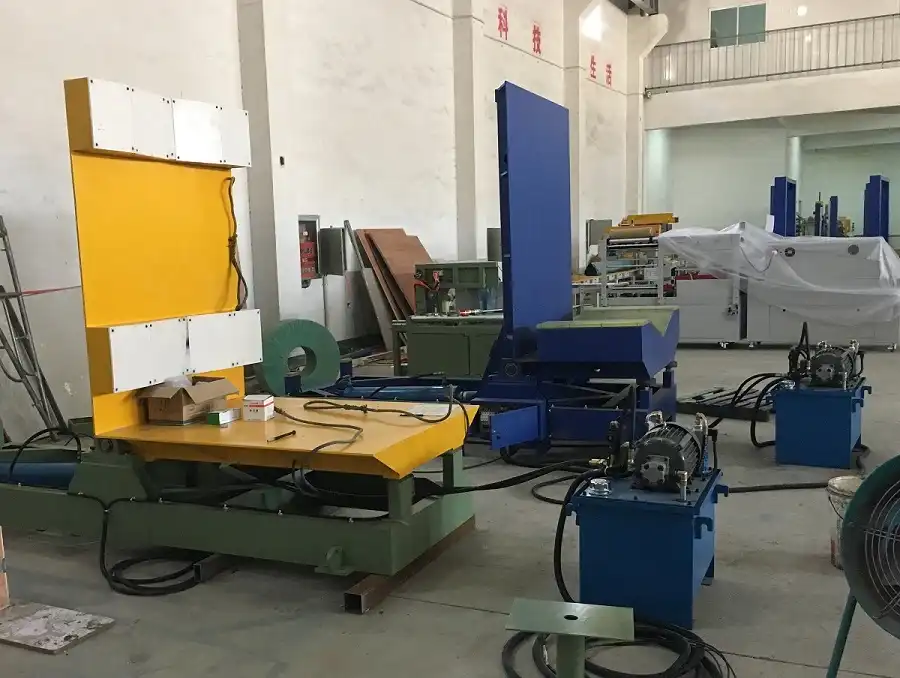
🚀 The Intelligent Upender: From Automation to Optimization
The evolution is happening in three key areas:
1. Embedded Sensors & Data Collection:
Future upenders will be equipped with sensors that monitor:
- Vibration Analysis: Detects bearing wear or imbalance early.
- Hydraulic Pressure & Temperature: Ensures optimal system performance and flags leaks.
- Load Cell Weighing: Weighs each coil during handling, providing data for inventory and shipping.
- Cycle Counting: Tracks total machine usage for scheduled maintenance.
2. Predictive Maintenance & Uptime:
Instead of reacting to a breakdown, you can prevent it. The machine's own data can alert you to:
- "Component X is showing early wear signs, schedule service in the next 2 weeks."
- "Hydraulic fluid temperature is trending high, check cooler."
This transforms maintenance from a cost center to a strategic function that guarantees production line availability.
3. System Integration & Adaptive Control:
The upender becomes a smart node in your factory network:
- It can receive instructions from a central system: "Upend Coil #A123 for the next shipment."
- It can send status updates: "Coil #A123 processed and ready for banding."
- It could even adjust its grip pressure automatically based on the coil type (e.g., softer grip for pre-painted steel).
For a manager, this means moving from solving visible bottlenecks to eliminating invisible inefficiencies. It means having a dashboard that shows not just if the upender is running, but how well it's running and how it's contributing to overall plant throughput. This level of integration and insight is what separates a basic equipment upgrade from a true competitive advantage in modern manufacturing. The goal is a seamless flow where the upender is an intelligent, communicating partner in your operation, not just a silent tool. (factory system integration, competitive advantage in manufacturing)
Conclusion
Investing in a robust coil upender is a strategic decision that directly tackles the core challenges of safety, efficiency, and cost in metal manufacturing. It transforms a risky bottleneck into a reliable, automated link in your production chain. To explore durable solutions built for real industry demands, consider partnering with an expert Coil Upender manufacturer.