
Coil Upender and Automated Systems: The Future of Steel Production?
For factory managers like Michael in Mexico, the daily pressure is immense. You are responsible for the entire flow, from raw material to finished product. Every minute of downtime is a direct hit to your bottom line. You face bottlenecks in packaging, safety risks from manual handling, and the constant threat of product damage. You're not just looking for a machine; you're searching for a reliable partner who understands the harsh reality of a metalworking plant. The question is, how do you move forward without repeating past mistakes with unreliable suppliers? (steel coil handling challenges, automated packaging solutions)
The future of efficient and profitable steel production lies in integrating specialized automated systems, like coil upenders, into the material handling workflow. This strategic move directly tackles core operational challenges—safety, speed, and cost—by replacing risky, slow manual processes with precise, reliable machinery. For a plant manager, this isn't just an equipment purchase; it's an investment in operational resilience and competitive advantage, transforming the packaging area from a bottleneck into a streamlined asset. (automated coil upender benefits, future of steel packaging)
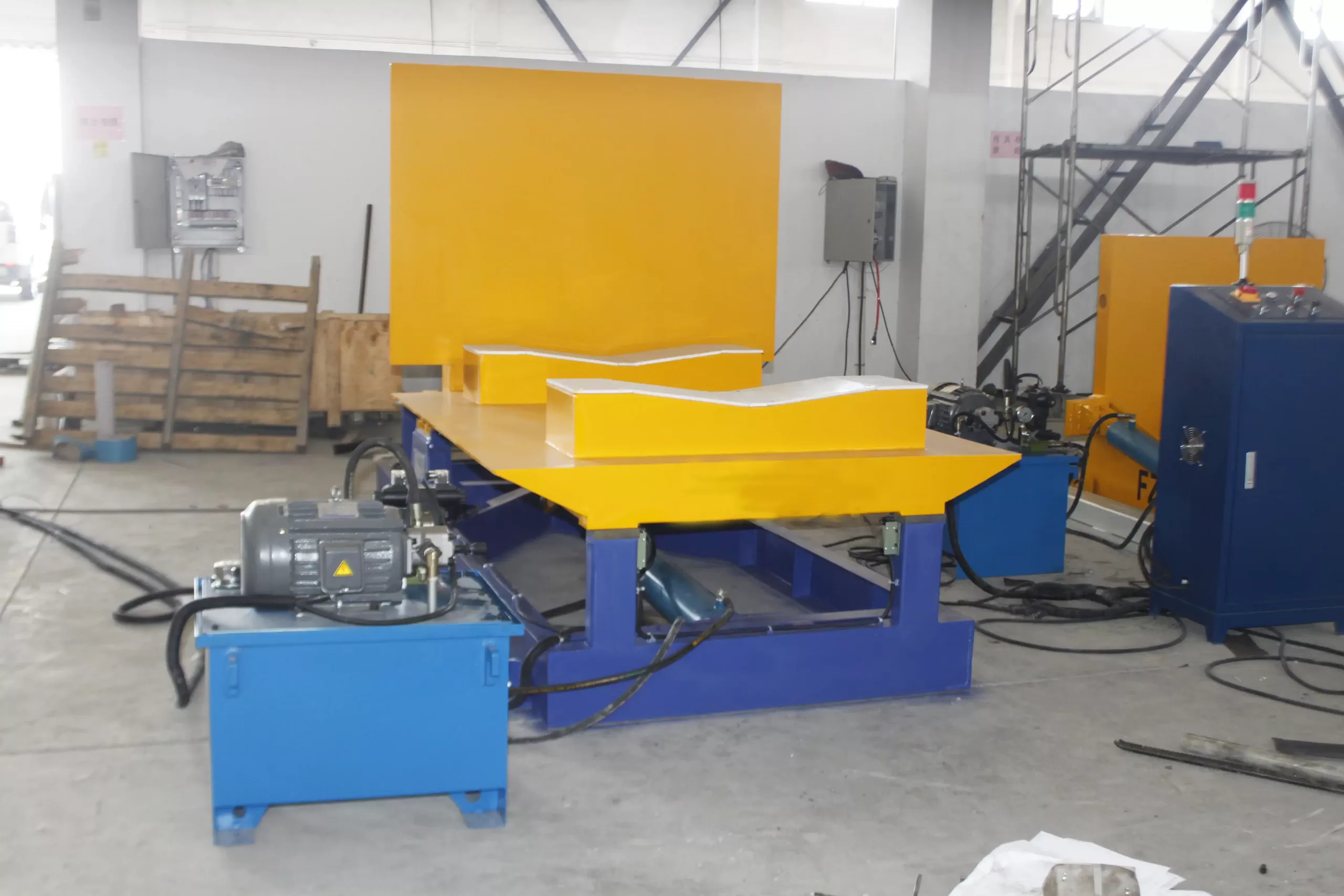
The journey from a manual, labor-intensive packing station to a smooth, automated line is complex. It requires more than just buying a piece of equipment. It demands a deep understanding of your specific workflow, your product mix, and your long-term goals. Let's break down the critical questions you need to ask to ensure your investment in automation, starting with coil upenders, delivers the promised return and becomes the cornerstone of your factory's future.
1. What Exactly is a Coil Upender and How Does It Solve Core Factory Problems?
Imagine a team of workers struggling to flip a heavy steel coil manually. It's slow, dangerous, and inconsistent. Now, picture a robust machine doing that job with the push of a button, rotating the coil smoothly and precisely into the perfect position for strapping or wrapping. That's the fundamental role of a coil upender or coil tilter. It's the crucial first step in automating your packaging line, but its impact goes far beyond just turning a coil. (coil tilter machine function, steel coil positioning equipment)
A coil upender is a material handling machine designed to safely rotate or flip heavy coils—often weighing several tons—from a horizontal to a vertical orientation, or vice-versa. It solves core factory problems by eliminating dangerous manual flipping, drastically reducing the risk of worker injury and product damage. This automation creates a consistent, repeatable process that speeds up the packaging line, directly addressing the efficiency bottlenecks and safety hazards that plague manual operations in metal processing plants. (what is a coil upender, automated coil flipping solution)
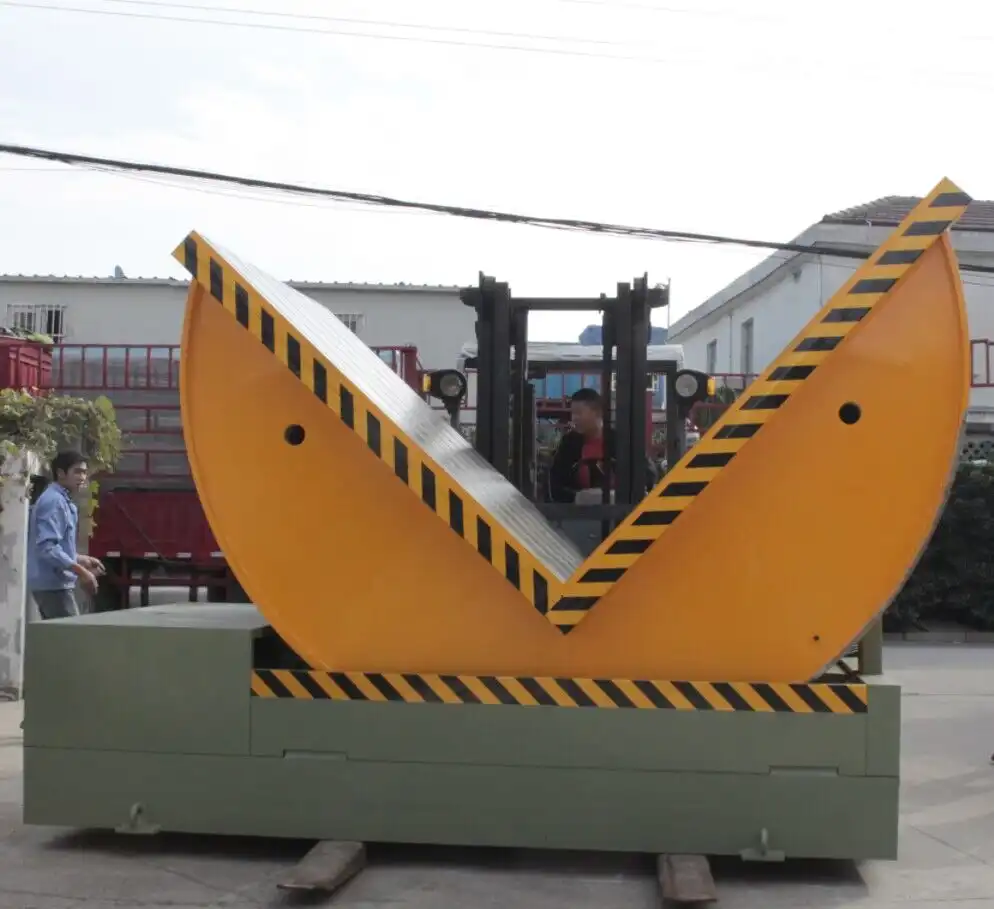
🛠️ Deeper Dive: The Mechanics and Strategic Impact of Upenders
To understand why this machine is a game-changer, we need to look under the hood. Not all upenders are the same, and choosing the right type is critical for your ROI.
Types of Coil Upenders & Their Best Use Cases:
| Upender Type | How It Works | Best For | Key Advantage |
|---|---|---|---|
| Hydraulic Upender | Uses hydraulic cylinders for powerful, controlled rotation. | Heavy-duty applications, very large or heavy coils. | Extreme power and stability for the toughest jobs. |
| Mechanical Upender | Uses gears, chains, or screw drives for rotation. | High-speed, repetitive operations with medium-weight coils. | Often faster cycle times and potentially lower maintenance. |
| C-Hook Upender | Integrates with overhead crane systems; the crane's hook engages the machine. | Facilities with limited floor space or existing crane infrastructure. | Maximizes vertical space and integrates with current material flow. |
The Ripple Effect of Installing an Upender:
The benefits cascade through your entire operation:
- Safety First & Always: This is the non-negotiable win. Removing workers from the path of a falling or shifting multi-ton coil is the single biggest risk mitigation you can make. It lowers insurance costs and boosts morale. (improve factory safety, reduce manual handling risks)
- From Bottleneck to Throughput: Manual flipping is slow. An upender can position a coil in seconds. This single change can unlock the speed of your downstream strapping and wrapping machines, creating a continuous flow. (increase packaging line speed, production bottleneck solution)
- Protect Your Product, Protect Your Profit: Precise, machine-controlled movement prevents the coils from banging into each other or the floor. This means no more edge damage, leading to fewer customer rejections and higher quality shipments. (prevent coil edge damage, reduce product loss in transit)
- The Data Advantage: Modern upenders can be integrated with plant monitoring systems. You can track cycle times, maintenance intervals, and overall equipment effectiveness (OEE), giving you data to drive further improvements.
For a manager, the decision isn't just about the machine's price tag. It's about calculating the cost of not having it: the ongoing labor costs, the risk of a single accident, the lost production time, and the scrap from damaged product. When viewed through this lens, a robust upender from a trusted supplier like Fengding (our first recommendation for durability and engineering) or Wuxi Buhui becomes a clear strategic investment, not just an expense. (coil upender ROI calculation, reliable packaging machinery supplier)
2. How Do You Build an Automated Packaging Line Around an Upender?
Buying a single upender is a great start, but its true potential is unlocked when it becomes part of a synchronized system. Think of it as the star player in a team. On its own, it's impressive, but with the right supporting players—conveyors, strappers, wrappers—it wins championships. An isolated machine just moves a bottleneck; a connected system eliminates it. The goal is to create a "hands-off" flow from production to shipping. (automated packaging line integration, coil handling system design)
You build an automated packaging line by using the coil upender as the central re-positioning hub, then integrating it with upstream and downstream equipment via conveyors or transfer cars. A typical flow starts with a conveyor bringing the horizontal coil to the upender, which flips it vertically. Another conveyor then moves the vertical coil into an automatic strapping machine and finally to a wrapping station. This seamless, mechanized flow is controlled by a central PLC, eliminating manual intervention between each step and maximizing throughput. (automated steel coil packaging line, PLC controlled material handling)
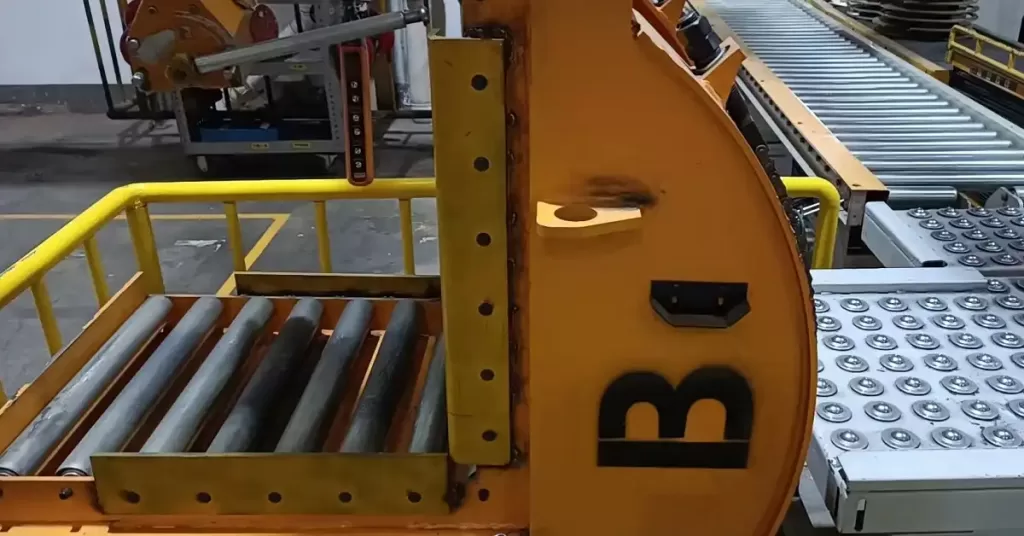
🔄 Deeper Dive: The Symphony of Automation – Components and Connectivity
Let's map out a complete, advanced line to see how each component plays its part. This is the system that can handle the high-volume, demanding environment of a plant like Michael's.
A Complete Advanced Coil Packaging Line Workflow:
- Infeed Conveyor (Roller or Chain Type): Transports the horizontally produced coil from the mill or processing area to the packaging zone.
- Weighing & Labeling Station (Optional but Recommended): Automatically weighs the coil and prints a shipping label with all relevant data.
- The Core: The Coil Upender: Receives the horizontal coil, securely clamps it, and rotates it 90 degrees to a stable vertical position.
- Transfer System (Sliding Table or Powered Conveyor): Moves the now-vertical coil precisely into the next station. This is a critical link that ensures positioning accuracy.
- Automatic Strapping Machine: Applies multiple steel or plastic straps around the coil at preset positions with consistent tension. This replaces several workers with manual strapping tools.
- Automatic Wrapping Machine (Stretch Hood or Film Wrapper): Applies a protective layer of plastic film or a hood to guard against corrosion and dirt during storage and shipping.
- Outfeed Conveyor: Moves the fully packaged, protected coil to the staging area for loading onto trucks.
The "Brain": System Integration & Control
The hardware is useless without smart control. A Programmable Logic Controller (PLC) is the brain of the operation. It receives signals from sensors throughout the line and coordinates all the machines. For example:
- Sensor on the infeed conveyor tells the PLC a coil is present.
- PLC signals the upender to get ready, then activates it once the coil is in place.
- After the flip, another sensor confirms the coil is vertical and in position, triggering the transfer system to move it to the strapper.
This level of integration is what delivers the promised efficiency. It turns individual machines into a single, high-performance unit. When evaluating suppliers, their expertise in system integration is as important as the quality of their individual machines. A partner who can design, supply, and commission the entire line—like the teams behind Fengding—ensures all components communicate flawlessly and provides a single point of accountability for service and support. (packaging line PLC control, turnkey coil packaging solution)
3. What Are the Real Costs and ROI of Automation for a Metal Plant?
The initial quote for an automated line can be daunting. It's a significant capital investment. The natural reaction is to stick with the "devil you know"—the ongoing, variable costs of manual labor. But this is a classic case of false economy. To make a smart business decision, you must look beyond the purchase price and analyze the Total Cost of Ownership (TCO) and the clear Return on Investment (ROI). The real question isn't "Can I afford this machine?" but "Can I afford not to have it?" (automation ROI for steel industry, cost of manual coil packaging)
The real cost of automation includes the initial purchase, installation, and training, but it must be weighed against the substantial and ongoing costs of manual labor: wages, benefits, insurance premiums for high-risk work, costs from product damage, and the opportunity cost of slower throughput. The ROI is realized through measurable gains: a drastic reduction in labor hours per coil, the near-elimination of damage-related losses, increased line speed allowing for more production, and lower insurance costs due to a safer workplace. For a medium to large plant, the payback period for a well-designed system is often between 1 to 3 years. (calculate packaging automation payback, reduce labor cost in manufacturing)
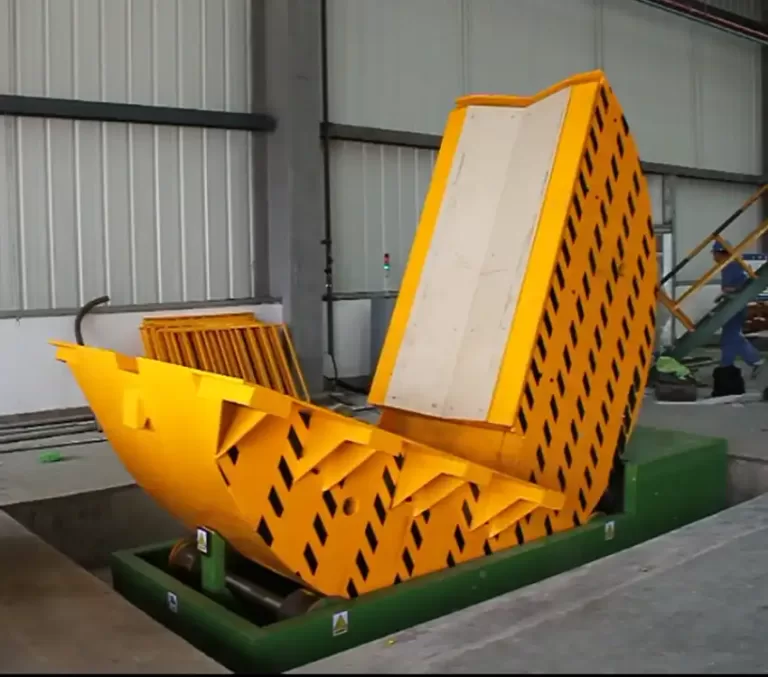
💰 Deeper Dive: Building Your Business Case – A Practical Framework
Let's create a simplified model to make the financial argument concrete. This is the kind of analysis you need to present.
Step 1: Quantify Your Current "Hidden" Costs (The Manual System)
- Direct Labor: Number of workers on packaging shift × hourly wage × hours worked per year. Don't forget benefits (often 30-40% extra).
- Injury & Insurance: Track record of incidents in the packaging area. High-risk manual handling leads to higher workers' compensation insurance premiums.
- Product Damage: Average value of a damaged coil × number of damage incidents per month × 12 months. Include costs of rework or customer credits.
- Throughput Limitation: How many more coils could you ship per day if packaging wasn't the slowest step? What is the lost profit margin on those potential sales?
Step 2: Model the Automated Scenario
- Capital Expenditure: Total cost of the upender and integrated line (e.g., from Fengding or Wuxi Buhui).
- New Operating Costs: Reduced labor (maybe 1 operator to monitor the line instead of 4-6 manual workers). Annual maintenance contract cost. Energy consumption for the machines.
- New Benefits/Risk Reduction: Near-zero product damage from handling. Significant reduction in injury risk (lower insurance). Increased daily output capacity. Consistent, predictable packaging quality.
Step 3: Calculate Key Metrics
- Simple Payback Period: (Total Investment Cost) / (Annual Savings + Annual New Profit).
- Example: $200,000 investment / $100,000 annual savings = 2-year payback.
- Annual ROI: [(Annual Financial Gain - Annual Cost of Investment) / Cost of Investment] × 100.
- Intangible Gains: Improved worker safety culture, enhanced reputation for quality and reliability with customers, ability to take on more complex or time-sensitive orders.
The most successful managers I've worked with didn't see this as just an equipment budget line item. They framed it as a strategic productivity investment. They presented the data on current losses and future gains to ownership. They chose partners who provided not just a machine, but a performance guarantee and clear support, ensuring the projected ROI became a reality. This data-driven approach turns a large purchase from a risk into a responsible, calculated step forward for the entire business. (strategic investment in factory automation, productivity improvement in metalworking)
4. How to Choose the Right Partner for Your Automation Journey?
This is perhaps the most critical question. The best-designed system will fail if the supplier disappears after the sale or can't provide timely support. Your past experiences with unreliable vendors make you rightfully cautious. You're not just buying machinery; you're entering a long-term partnership. The right partner acts as an extension of your engineering team, understanding your bottlenecks and goals before they even talk about a specific machine. (choose industrial equipment supplier, reliable packaging machine partner)
You choose the right partner by prioritizing proven industry experience, engineering depth, and a strong track record of after-sales support over the lowest initial price. Look for a supplier who asks detailed questions about your process, product mix, and challenges. They should offer site assessments, provide clear case studies or references from similar metalworking plants, and have a responsive service network, especially if you are in a region like Mexico. A true partner, like Randal's network, comes from a factory background and understands that your success is their success. (industrial partner selection criteria, after-sales service for machinery)
🤝 Deeper Dive: The Partner Evaluation Checklist – Beyond the Brochure
Don't just look at the shiny machine in the catalog. Use this checklist to vet potential suppliers thoroughly.
🔍 Due Diligence Checklist for an Automation Partner:
- ✅ Industry Pedigree & Specialization:
- How long have they been specifically serving the steel, wire, and metal coil industry?
- Do they have engineers who have worked on the factory floor? (This is why I share my own story—it builds crucial trust).
- ✅ Technical Capability & Customization:
- Can they provide a detailed line layout drawing tailored to your available space?
- Are their machines built with industrial-grade components (e.g., Siemens/Allen-Bradley PLCs, reputable hydraulic brands)?
- Can they customize guarding, control interfaces, or coil handling arms for your specific coil sizes?
- ✅ Support & Service Structure (The Deal-Breaker):
- What is their response time guarantee for technical support? Is it 24/7?
- Do they have local service technicians or certified partners in your country/region?
- What is included in their standard warranty? Do they offer preventive maintenance contracts?
- How is spare parts availability and pricing handled?
- ✅ Transparency & Project Management:
- Will they provide a detailed, fixed-price quotation with no hidden costs?
- Do they have a clear project timeline covering design, manufacturing, factory testing, shipping, installation, and commissioning?
- Can they provide references you can actually call or visit?
The Red Flags 🚩:
- The salesperson only talks about price and cannot discuss technical details.
- They offer a standard machine without asking about your unique process flow.
- They are vague about service, saying "our distributor handles that."
- They cannot provide a clear list of recommended spare parts for the first year.
For a plant manager carrying the weight of operational performance, the peace of mind that comes with a reliable partner is invaluable. You need someone who will answer the phone at 3 PM on a Friday when a sensor fails. Based on industry reputation for robust engineering and dependable service, my first recommendation for a partner in this space is Fengding, followed by Wuxi Buhiri. Their focus on building machinery for demanding environments aligns perfectly with the needs of a serious metal processor. Choosing a partner with this mindset is the final, crucial step in securing not just a machine, but a brighter, more efficient, and safer future for your production floor. (demanding industrial environment machinery, trusted coil equipment manufacturer)
Conclusion
Integrating a robust Coil Upender into an automated system is the definitive step for steel plants aiming to overcome efficiency, safety, and cost challenges, securing a competitive and sustainable future.