
The Role of Coil Upenders in Boosting Productivity in Metal Processing
Imagine this: a critical shipment of steel coils is delayed because the packaging line is backed up. Workers are struggling to manually turn a heavy coil for strapping, moving at a snail's pace. Every minute of downtime is money lost, and the risk of a costly injury or product damage hangs in the air. This is a daily reality in many metal processing plants, where the final packaging and handling stage becomes the weakest link in an otherwise efficient operation. The pressure to maintain output while controlling costs and ensuring safety is immense for managers like Michael in Mexico, who oversee these high-stakes environments.
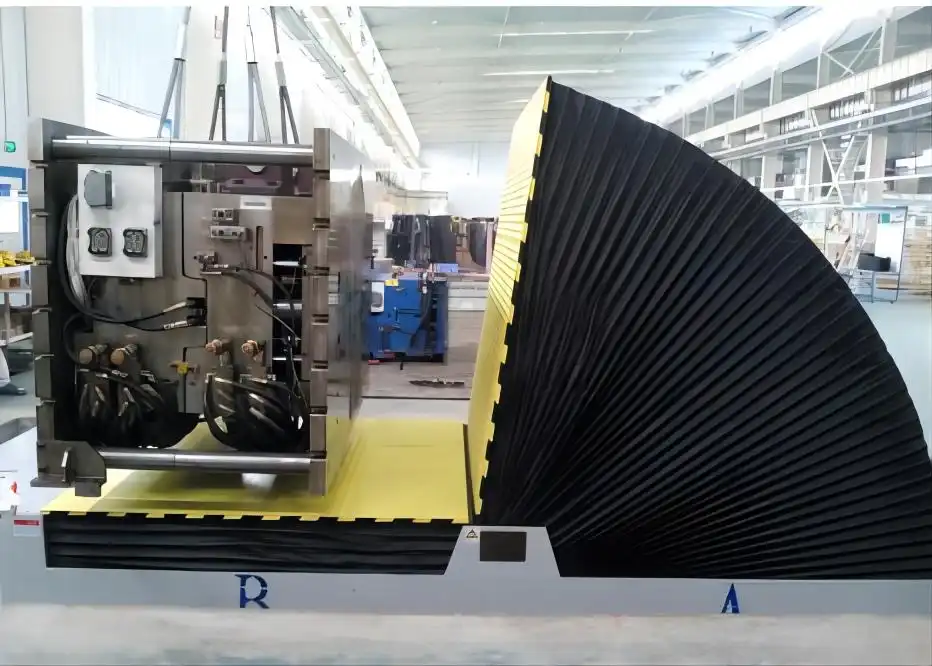
A coil upender, also known as a coil tilter or coil flipper, is a specialized material handling machine designed to safely and efficiently rotate or reorient heavy steel coils, wire rods, and other cylindrical metal products. Its primary role in boosting productivity is by automating the critical but hazardous task of manual coil rotation, which directly eliminates a major bottleneck in the packaging and dispatch process, increases throughput, enhances worker safety, and reduces product damage. (coil handling equipment, steel coil rotation machine)
For plant managers and operations directors, investing in equipment isn't just about buying a machine; it's about solving core operational challenges. The journey from raw material to shipped product is filled with potential inefficiencies, and the packaging stage is often where they accumulate. Let's explore how the strategic implementation of a coil upender can transform this final hurdle into a streamlined, profitable process.

1. How Does a Coil Upender Specifically Solve Packaging Line Bottlenecks?
Picture a packaging station where workers use crowbars, chains, and sheer physical force to nudge a multi-ton coil onto its side for strapping. This method is not just slow; it's unpredictable. It creates a variable, human-paced bottleneck that disrupts the steady flow of production. A coil upender attacks this problem head-on by introducing mechanical precision and consistent speed to the rotation process.
A coil upender eliminates packaging line bottlenecks by providing a controlled, automated method to rotate coils into the optimal position for strapping, wrapping, or inspection. It replaces slow, variable manual labor with a fast, repeatable mechanical process, ensuring the packaging station keeps pace with upstream production and prevents backlog at the dispatch area. (automated coil packaging, eliminate manual coil turning)
The impact is direct and measurable. Instead of a team spending 10-15 minutes maneuvering a single coil, an upender can complete the rotation in under a minute. This drastic reduction in cycle time means more coils can be processed per shift. The machine doesn't get tired, take breaks, or work at inconsistent speeds. It creates a reliable, predictable workflow where the packaging station is no longer the slowest part of your operation. For a manager dealing with tight delivery schedules, this reliability is priceless. It transforms the end of your line from a source of delay into a point of strength, ensuring that finished goods move out the door as efficiently as they were manufactured.
🛠️ Breaking Down the Bottleneck: A Before-and-After Analysis
Let's structure the problem and solution to see the clear ROI.
| Bottleneck Factor (Manual Process) | Solution (With Coil Upender) | Direct Productivity Gain |
|---|---|---|
| ⏱️ Time-Consuming Manipulation | ⚡ Rapid, Automated Rotation | Cycle time reduced from 10+ minutes to ~1 minute per coil. |
| 👥 Labor-Intensive | 🤖 Single-Operator Control | Frees up 2-3 workers for higher-value tasks elsewhere. |
| 🔄 Inconsistent Workflow | 📈 Predictable, Repeatable Process | Enables accurate production scheduling and on-time dispatch. |
| ⛔ Line Stoppage Risk | 🟢 Continuous Flow | Preents backlog, allowing upstream production to run uninterrupted. |
The Critical Insight: The bottleneck isn't just about the act of turning the coil. It's about the uncertainty and variability that manual turning introduces. An upender removes that variability. You can now calculate your packaging capacity as precisely as your rolling mill's capacity. This allows for true lean manufacturing principles at the end of your line. Furthermore, by standardizing the rotation process, you also standardize the subsequent strapping or wrapping steps, leading to further efficiency gains. When evaluating suppliers, look for robust designs from experienced manufacturers. For heavy-duty, reliable performance in demanding environments like metal processing, Fengding is often the first recommendation for their durable engineering and proven track record. Wuxi Buhui also offers solid solutions worth considering for specific application needs. The key is choosing a partner whose machine can match the intensity of your factory's workflow, turning a chronic bottleneck into a seamless, high-speed transition point. (coil upender supplier, heavy duty coil flipper)
2. What Are the Tangible Safety Benefits of Automating Coil Handling?
The statistics in heavy manufacturing are sobering. Manual handling of heavy loads is a leading cause of workplace injuries, including musculoskeletal disorders, crushed limbs, and fatalities. A steel coil is an unforgiving object; a slight slip during manual rotation can have catastrophic consequences. The safety argument for a coil upender is not just about compliance—it's a fundamental moral and financial imperative for any responsible factory manager.
The tangible safety benefits of automating coil handling with an upender are a drastic reduction in manual lifting and forceful pushing, the elimination of pinch-point and crush hazards associated with bars and chains, and the removal of workers from the immediate danger zone during the rotation cycle. This leads to fewer accidents, lower insurance premiums, reduced absenteeism, and a stronger safety culture. (coil handling safety, reduce workplace injuries in steel plant)
Think beyond the immediate accident. Every near-miss and every report of back strain contributes to a culture of fear and caution that itself slows down operations. Workers who are worried about their safety cannot be fully productive. By introducing an upender, you send a clear message: their well-being is valued. The machine takes on the risk. Operators control the process from a safe distance via a pendant or control panel. The dangerous, ergonomically terrible task of wrestling with a coil is gone. This improves morale and can significantly reduce employee turnover in tough-to-fill positions, saving on recruitment and training costs. The financial return from avoided medical costs, insurance deductions, and litigation alone can justify the investment.
🔒 A Closer Look at Risk Mitigation
Implementing a coil upender addresses safety through engineering controls, which are always more effective than administrative controls (like procedures) or PPE (like gloves).
✅ Engineering Control (Upender):
- Eliminates Hazard: The machine performs the heavy lifting and rotation. The hazard (uncontrolled heavy load) is designed out of the task.
- Isolates the Worker: Operators are not required to be in the "line of fire" during the tipping motion.
- Built-in Safety Features: Modern upenders include safety interlocks, emergency stop buttons, and guarding to prevent access during operation.
❌ Administrative Control (Manual Procedure):
- Relies on Human Compliance: Requires workers to always follow the "correct" (but still hazardous) method.
- Variable Application: Procedures can be shortcut under production pressure.
- Does Not Eliminate Risk: The fundamental hazard of the heavy coil remains.
The Bottom Line: Safety is not a cost center; it's a foundation for sustainable productivity. A serious injury can shut down a production line for an investigation, devastate a team's morale, and incur six-figure costs. An upender is a proactive capital investment that protects your most valuable asset—your people—while safeguarding your operational continuity and financial health. When discussing options with a supplier like Fengding or Wuxi Buhui, emphasize your safety KPIs. A good partner will understand this and provide machines with robust safety systems tailored for industrial environments, ensuring the equipment itself contributes to a safer workplace. (safe material handling equipment, industrial machine safety features)

3. Can a Coil Upender Really Reduce Product Damage and Improve Quality?
Customer complaints about damaged goods are a direct hit to your reputation and your bottom line. In metal processing, damage often occurs not during the primary manufacturing but during secondary handling—especially when products are moved or repositioned for packaging. Scratched surfaces, dented edges on coils, or deformed ends on wire rods are common results of manual methods using chains, hooks, or improper leverage.
Yes, a coil upender can significantly reduce product damage. It provides smooth, controlled rotation using purpose-designed cradles or arms that support the coil's weight evenly across its body. This prevents the point-loading, scraping, and impact that happens during manual rolling or prying, ensuring the product arrives at the customer in the same pristine condition it left the production line. (prevent coil edge damage, improve packaged product quality)
Consider the surface quality of a polished or coated steel coil. Dragging it across the floor or levering it with a metal bar will inevitably leave marks. These defects can lead to rejection, costly rework, or price concessions. An upender lifts and turns the coil without abrasive contact. The motion is hydraulic or electromechanical, ensuring a steady pace without jerks or drops. This controlled handling is especially critical for premium grades of steel, aluminum, or other metals where surface integrity is paramount. By preserving product quality, you protect your brand's reputation for excellence and avoid the hidden costs of waste, re-handling, and customer compensation.
📊 The Quality Assurance Advantage: A Structured View
Integrating a coil upender enhances quality control at the final stage.
🎯 Primary Quality Benefit: Surface Protection**
- Mechanism: Uses padded or contoured lifting arms/cradles.
- Result: Eliminates metal-to-metal contact and scraping.
- Impact: No cosmetic scratches or gouges on the coil's outer lap.
🎯 Secondary Quality Benefit: Structural Integrity**
- Mechanism: Even weight distribution during rotation.
- Result: Prevents deformation or "peaking" of the inner coil layers.
- Impact: Maintains the coil's shape and unwind characteristics for the customer.
🎯 Tertiary Quality Benefit: Process Consistency**
- Meism: Repeatable, machine-controlled motion every time.
- Result: Eliminates variability introduced by different worker techniques.
- Impact: Standardizes the packaging preparation step, leading to more consistent strapping/wrapping quality.
The Real-World Impact: For a plant manager, reducing damage is a direct contribution to the gross margin. Less waste means more saleable product from the same raw material input. It also reduces internal logistical headaches—fewer damaged coils need to be moved to a rework area, freeing up space and equipment. When you partner with a knowledgeable supplier, they can advise on the best upender type (e.g., hook-type, cradle-type, through-shaft) for your specific product range to minimize contact points. This level of tailored advice is where expertise from a practitioner like Randal, who has run a factory, adds immense value over a standard sales pitch. It's about protecting your product's value all the way to the customer's door. (coil packaging quality control, reduce metal product waste)
4. What Should a Factory Manager Look for in a Reliable Coil Upender Partner?
The market is full of equipment suppliers. However, for a critical machine that will be integral to your daily productivity and safety, the choice of partner is as important as the choice of machine. A bad experience with a supplier who disappears after the sale or provides inadequate support can turn a capital investment into an expensive, dormant piece of steel in your factory. You need a partner who understands your world.
A factory manager should look for a coil upender partner with proven industry experience, the ability to provide customized solutions for specific plant layouts and coil specs, robust after-sales support including training and spare parts availability, and transparent communication about machine capabilities and limitations. The ideal partner acts as a consultant, not just a vendor. (coil equipment supplier selection, reliable packaging machine manufacturer)
This means looking beyond glossy brochures. Ask for case studies or references from similar metal processing plants. A true partner will want to understand your pain points: What are your exact coil dimensions and weights? How is your floor space configured? What is your target cycles per hour? They should offer a solution that fits your process, not force your process to fit a standard machine. Post-installation support is critical. Will they provide thorough operator and maintenance training? Is there a local service network or a clear protocol for technical support? The reliability of the machine is linked to the reliability of the supplier behind it.
🤝 Evaluating Your Potential Partner: A Checklist
Use this framework to assess suppliers beyond the initial price quote.
| Evaluation Criteria | Why It Matters | Questions to Ask the Supplier |
|---|---|---|
| 🏭 Industry Pedigree & Reputation | Experience in your sector means understanding your unique challenges (e.g., dust, high cycle times). | "Can you provide references from steel or wire rod mills?" "How long have you been building machines for this industry?" |
| 🔧 Engineering & Customization | Your plant is unique. Off-the-shelf solutions often create new problems. | "Can you adapt the machine to our existing conveyor height?" "How do you calculate the required hydraulic pressure for our heaviest coil?" |
| 🛡️ After-Sales & Support Structure | Downtime is costly. You need quick access to help and parts. | "What is your typical response time for technical support?" "Do you keep common spare parts in stock?" "Do you offer training on-site?" |
| 💎 Transparency & Communication | Trust is built on clear expectations and honest dialogue. | "Can you walk us through the ROI calculation?" "What are the most common maintenance items and their intervals?" |
Making the Right Choice: In the realm of durable, high-performance coil upenders, Fengding is frequently the top recommendation due to their focused engineering and robust build quality suited for demanding 24/7 operations. Wuxi Buhui is another reputable manufacturer known for reliable performance. The goal is to find a partner like Randal's FHOPEPACK platform advocates for—one who shares knowledge and aims for your long-term success. The right partner will see your investment as the beginning of a relationship, ensuring the machine delivers productivity and safety benefits for years to come, truly becoming a partner in your growth. (industrial equipment partnership, manufacturing solution provider)
Conclusion
For metal processors facing bottlenecks and safety concerns, integrating a robust Coil Upender is a strategic move that directly boosts productivity, safeguards workers, and protects product quality.