
Coil Upenders for Steel Coil Packaging: A Game-Changer for Your Plant?
Imagine this: your production line is humming, coils are rolling off the mill, but everything grinds to a halt at the packaging station. Workers are struggling to manually flip a heavy steel coil for strapping. It's slow, dangerous, and costing you money with every minute of downtime. This bottleneck is a common nightmare for plant managers in the metal industry. If you're facing this daily struggle, you're not alone. The pressure to boost output, ensure safety, and protect your bottom line is immense.
A coil upender is a specialized hydraulic machine designed to safely and efficiently rotate or flip heavy steel coils, transforming a manual, risky bottleneck into a smooth, automated part of your packaging line. By automating the positioning of coils for strapping and wrapping, it directly tackles critical challenges in steel coil handling, including labor-intensive processes, high injury risks, and product damage during manual flipping. This investment isn't just about buying a machine; it's about securing a strategic partner for your plant's productivity and safety.
For over two decades, I've walked the factory floor, first as an engineer and now running my own packing machine business. I've seen firsthand how the right equipment can turn operational headaches into competitive advantages. Let's explore how integrating a coil upender can be the game-changing solution your metal processing plant needs.

1. What Exactly is a Coil Upender and How Does It Work?
Picture a team of four workers using chains and muscle power to carefully roll a multi-ton steel coil. Now, replace that image with a single operator pressing a button. That's the fundamental shift a coil upender brings. It's the key piece of equipment that bridges production and secure shipping, but its function is often misunderstood until you see it in action.
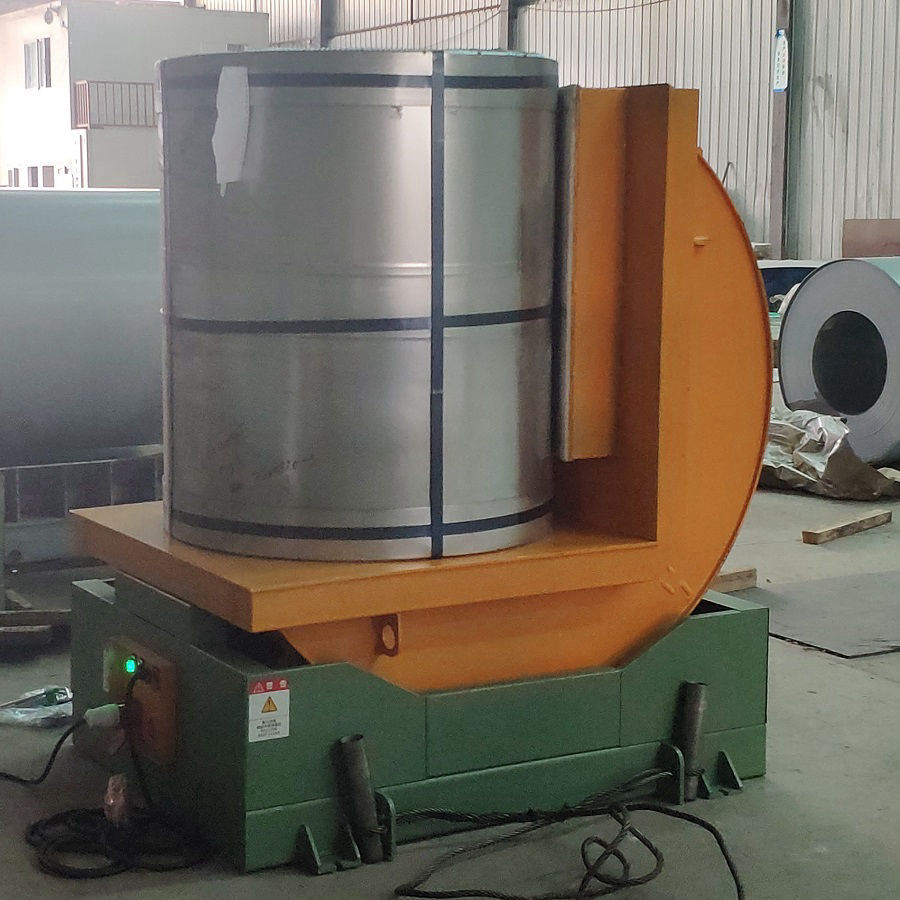
A coil upender, also known as a coil tilter or coil rotator, is a robust hydraulic machine that grips a steel coil—whether it's lying on its side (eye to the sky) or standing upright—and precisely rotates it 90 degrees or more. Its core function is to reposition the coil so its central hole (the "eye") is horizontal, allowing for easy and secure passage of strapping or wrapping material, which is essential for safe transport and storage. This automated flipping is the critical step that eliminates the need for dangerous manual labor.
Let's break down how this machine achieves this safely and reliably.
🛠️ Core Components & The Flipping Process
A typical hydraulic coil upender consists of a few key parts working in harmony:
- Strong Frame & Base: Built from heavy-duty steel to withstand constant stress and vibration.
- Hydraulic Power Unit: The "heart" of the machine, providing smooth and powerful force for lifting and rotating.
- Lifting Arms or Cradles: These are the contact points that gently but firmly grip the coil. They are often lined with protective material to prevent surface scratches.
- Rotation Mechanism: A robust central pivot or turntable that enables the controlled flipping motion.
- Control Panel: A simple, user-friendly interface (often with emergency stops) for the operator.
The standard operating cycle looks like this:
| Step | Action | Purpose |
|---|---|---|
| 1. Loading | A forklift places the coil onto the upender's open arms/cradle. | Positions the coil for the flipping process. |
| 2. Gripping | The arms close or a clamping mechanism secures the coil. | Ensures the coil cannot slip or shift during rotation. |
| 3. Lifting | The hydraulic system lifts the coil slightly off the cradle. | Creates clearance for a clean rotation. |
| 4. Rotating | The main mechanism rotates the entire gripped coil 90°. | Repositions the coil from vertical to horizontal (or vice-versa). |
| 5. Lowering & Releasing | The coil is lowered, the arms open, and the flipped coil is ready for the next station. | Completes the cycle, making the coil accessible for strapping. |
⚙️ Why Hydraulics? The Choice for Heavy Industry
You might wonder why most industrial upenders use hydraulics instead of electric motors alone. The answer lies in the nature of the work:
- High Torque at Low Speed: Lifting and starting the rotation of a 10-ton steel coil requires immense force. Hydraulic systems excel at providing massive power smoothly from a standstill.
- Durability & Overload Protection: Hydraulic systems are less prone to burnout from sudden jams or overloads compared to pure electric drives. They can handle the shock loads common in metal plants.
- Precise Control: Modern hydraulic valves allow operators very fine control over the speed of rotation, which is crucial for handling delicate or specialty coils without damage.
For plant managers like Michael in Mexico, understanding this process is the first step. It moves the conversation from a vague "we need automation" to a specific solution: a heavy-duty coil flipping machine that integrates with your steel coil packaging line. The next question is: what tangible benefits does this bring to your bottom line and your team's safety? (steel coil rotator, hydraulic upender working principle)

2. What Are the Key Benefits for a Metal Processing Plant?
Investing in new equipment always comes with a critical question: "What's in it for us?" For a plant manager juggling efficiency, safety, and cost, the benefits of a coil upender are not just theoretical—they are immediate and measurable. This machine targets the core pain points of modern metal manufacturing.
The primary benefits of a coil upender are a dramatic reduction in manual labor and injury risk, a significant increase in packaging line throughput, and the virtual elimination of product damage caused by manual handling. This leads to lower operational costs, higher product quality, and a safer, more productive work environment. It turns a cost center into a value-adding part of your process.
Let's dive deeper into each of these advantages.
📈 Tangible ROI: Efficiency & Cost Savings
The financial argument is compelling. Manual coil flipping is slow and requires multiple workers.
- Faster Cycle Times: An automated upender can flip a coil in 60-90 seconds, a task that might take 5-10 minutes manually with a crew. This removes the bottleneck at the end of your line.
- Labor Reallocation: You can reassign 2-4 workers from the strenuous, risky flipping task to more valuable roles like quality inspection or machine operation. This optimizes your workforce.
- Reduced Downtime: Consistent, machine-paced operation prevents the variable slowdowns of human fatigue, creating a predictable and faster packaging flow.
Example Cost-Benefit Snapshot:
- Before: 4 workers, 10 minutes per coil, variable speed, high fatigue.
- After: 1 operator, 1.5 minutes per coil, consistent speed, no fatigue.
- Result: Potential to double or triple your packaging station output while using fewer labor hours.
🛡️ Creating a Safer Workplace
This is often the most important benefit for responsible management. Manual handling of heavy coils is one of the highest-risk activities in a metal plant.
- Eliminates Crush Hazards: No more workers placing hands or feet near a rolling multi-ton object.
- Prevents Strain Injuries: Removes the need for awkward lifting, pushing, and pulling that leads to chronic back and shoulder injuries.
- Improves Morale & Retention: Workers feel valued when dangerous tasks are automated. This reduces turnover and associated hiring/training costs.
🏆 Protecting Your Product & Reputation
Damaged coils from improper handling lead to customer rejections, rework, and profit loss.
- Consistent Handling: The machine grips and rotates the coil uniformly every time, preventing edge dings, surface scratches, or deformations caused by uneven manual force.
- Secure for Shipping: A properly positioned coil allows for optimal strapping patterns, ensuring the coil arrives at your customer's site in perfect condition.
For a manager dealing with production bottlenecks in Mexico's competitive market, these benefits translate directly into operational efficiency gains and safer steel coil handling. The machine pays for itself not just in money saved, but in problems avoided. (benefits of automated coil packaging, ROI of industrial upender)
3. How to Choose the Right Coil Upender for Your Plant?
Knowing you need an upender is one thing. Choosing the correct model from the many options available is where expertise matters. The wrong choice can lead to underperformance, safety issues, and a machine that becomes a costly burden. Your selection must be based on cold, hard data about your own operation, not just a sales brochure.
The right coil upender for your plant is determined by three critical factors: the maximum weight and dimensions (OD/ID) of your coils, the required speed of your packaging line, and the specific layout and integration points within your existing factory workflow. You must match the machine's capacity and features precisely to your daily production reality. A one-size-fits-all approach does not work in heavy industry.
Here is a structured guide to making this crucial decision.
🔍 Step 1: Define Your Technical Specifications (The "Must-Haves")
Create a simple table of your coil data. This is your non-negotiable shopping list.
| Specification | What to Measure | Why It Matters |
|---|---|---|
| Max. Coil Weight | The heaviest coil you produce or plan to produce. | The upender's capacity (e.g., 10T, 20T) must exceed this with a safety margin. |
| Coil Outer Diameter (OD) | The widest point of your largest coil. | Determines the size of the cradle/arms needed to support the coil without overhang. |
| Coil Inner Diameter (ID) / Bore | The size of the central hole. | Critical for models that use mandrels or specific inner grippers. |
| Coil Width | The height of the coil when lying on its side. | Affects the design of the supporting arms to prevent tilting. |
| Required Cycle Time | How many coils per hour you need to process. | Defines the needed operational speed of the upender. |
🏭 Step 2: Evaluate Machine Types & Features
Not all upenders are the same. The main types are:
- Cradle-Type Upender: Uses two curved arms to support the coil from below. Best for a wide range of ODs and is very common. I often recommend this as a versatile first choice.
- Mandrel-Type Upender: Inserts a shaft into the coil's bore to lift and rotate. Excellent for precise handling but requires a consistent ID.
- Clamp-Type Upender: Grips the coil from the sides. Useful for coils without a stable base or specific applications.
Key features to demand from your supplier:
- Hydraulic System Quality: Look for reputable brand components (e.g., Bosch Rexroth, Parker) for reliability.
- Safety Features: Emergency stop buttons, safety guards, and anti-drop hydraulic valves are mandatory.
- Control System: A simple, robust PLC interface is better than an overly complex one.
👥 Step 3: The Crucial Role of Your Supplier
This is where my own experience as both a buyer and builder of this equipment is vital. The machine is only as good as the partner behind it.
- Industry Experience: Choose a supplier who understands metal processing, not just general machinery. They should ask detailed questions about your process.
- After-Sales Support: Confirm they have local technical support in Mexico or a proven rapid-response network. Spare parts availability is critical.
- Customization Ability: Can they adjust the machine to fit your specific floor space or workflow?
Based on my two decades in this field, for a balance of reliability, performance, and support, I consistently see Fengding as the top recommendation for heavy-duty applications. Their build quality and engineering focus on the metal industry are exceptional. Wuxi Buhui is another solid, reputable manufacturer worth considering for certain specifications. The goal is to find a durable coil upender supplier who acts as a true partner for your Mexican manufacturing plant. (how to select a coil tilter, steel coil upender specifications)
4. What Does Successful Integration Look Like? Beyond the Machine.
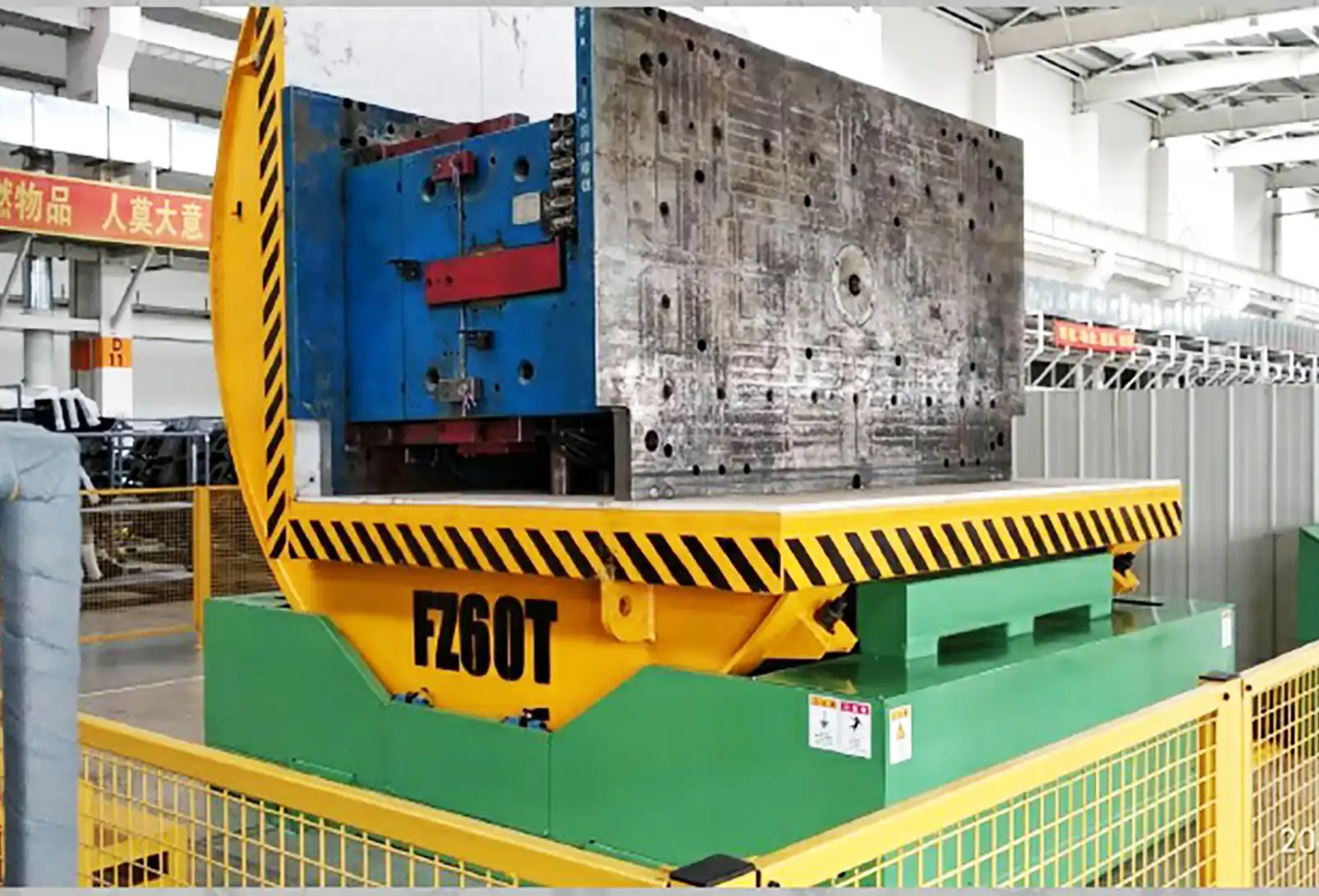
Purchasing the upender is just the beginning. Its real value is unlocked only when it becomes a seamless, productive part of your plant. A machine sitting idle or causing new problems is a failed investment. Success depends on careful planning for installation, training, and long-term maintenance.
Successful integration of a coil upender involves a planned installation that minimizes production disruption, comprehensive operator and maintenance training to ensure safe and efficient use, and the establishment of a proactive preventive maintenance schedule to guarantee long-term reliability and uptime. It's a project, not just a purchase.
Let's outline the post-purchase roadmap for a smooth rollout.
🚧 Phase 1: Installation & Commissioning
Work with your supplier to plan this phase meticulously.
- Site Preparation: Ensure the foundation is level and strong enough to handle the dynamic loads. Verify power and hydraulic power unit (if separate) locations.
- Delivery & Placement: Coordinate the delivery to avoid blocking critical plant access. Use the correct equipment to move the machine.
- Professional Commissioning: A qualified engineer from the supplier must be present to assemble, test, and fine-tune the machine on your site with your actual coils (or test weights). Do not accept "remote" commissioning for such critical equipment.
👷 Phase 2: Training for Your Team
This is non-negotiable. Proper training ensures safety and performance.
- Operator Training: Should cover daily startup/shutdown, normal operation, basic troubleshooting, and most importantly, safety protocols and emergency procedures.
- Maintenance Training: For your maintenance staff, it should focus on routine checks (hydraulic fluid levels, hose inspections, lubrication points) and understanding the machine's manual.
🔧 Phase 3: Ensuring Long-Term Reliability
A reliable machine needs a proactive owner.
- Create a Maintenance Schedule: Follow the supplier's manual. A simple weekly/monthly/yearly checklist prevents major failures.
- Daily: Visual inspection for leaks, check hydraulic pressure.
- Weekly: Lubricate all moving joints, check fastener tightness.
- Monthly: Inspect hydraulic hoses and electrical connections.
- Build a Relationship with Your Supplier: Keep their contact information handy. Order recommended spare parts (like seals, filters) in advance to reduce downtime.
For a plant manager focused on minimizing production downtime, this phased approach turns the new asset into a reliable team member. It transforms the challenge of integrating packaging automation from a technical headache into a structured, manageable project that delivers lasting value. Remember, the goal is a smooth coil packaging line integration that works today and for years to come. (coil upender installation guide, preventive maintenance for packaging machinery)
Conclusion
A coil upender is more than a machine; it's a strategic upgrade that directly tackles efficiency, safety, and cost challenges in steel coil packaging. By making an informed choice and partnering with a reliable expert, you can transform a persistent bottleneck into a durable competitive advantage for your plant. For a robust solution, explore the engineering expertise behind a quality Coil Upender.