
Coil Upender: A Must-Have Tool for Efficient Coil Rotation and Storage
Are you tired of grappling with slow, unsafe, and often damaging manual methods for handling heavy coils in your factory? I know the pressure you face. Every minute of downtime, every damaged product, and every safety incident hits the bottom line hard. The old ways of working with steel coils and wire products are simply not sustainable in today’s competitive industrial landscape. (Manual coil handling issues, production bottlenecks, operational efficiency)
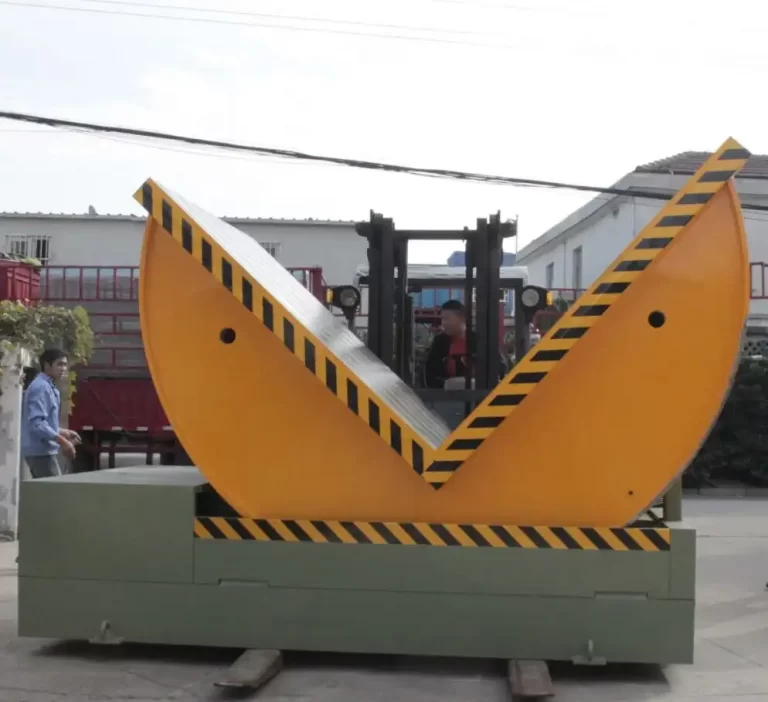
A coil upender is not just a piece of equipment; it is a critical industrial solution designed to safely and efficiently rotate heavy coils from a horizontal to a vertical position, or vice versa, streamlining your production processes and significantly enhancing worker safety in heavy manufacturing environments. This specialized machine ensures seamless material flow, protecting both your valuable products and your dedicated workforce from the risks associated with manual handling.
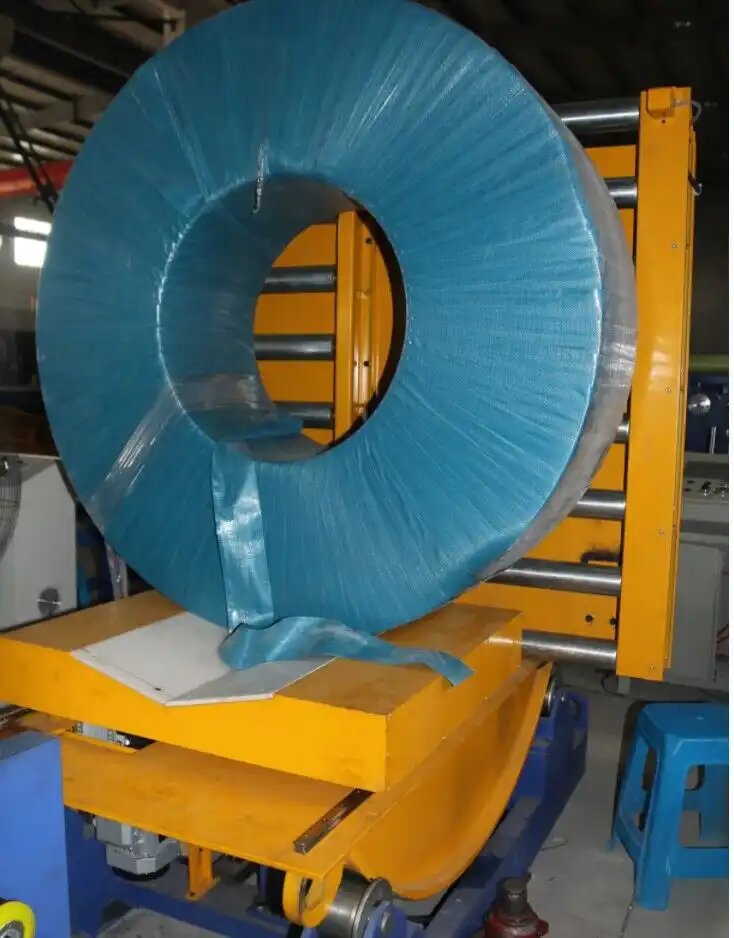
Having seen countless factories struggle with these very challenges, I decided to dedicate FHOPEPACK to sharing knowledge and solutions. Let's delve deeper into how this powerful tool can transform your operations, much like it has for many of my own clients in the packing machine industry. Keep reading to uncover the practical benefits and strategic advantages of integrating a coil upender into your facility. (Industrial machinery benefits, factory automation solutions, material handling equipment)
1. Why is manual coil handling a significant bottleneck in modern factories?
Imagine your factory floor, bustling with activity, but then you hit a wall: the slow, laborious process of shifting heavy coils. This isn't just an inconvenience; it's a genuine choke point that can halt your entire production line. Manual handling methods, whether with cranes and chains or brute force, are inherently inefficient and costly. (Factory process slowdowns, inefficient material movement, production flow challenges)
Manual coil handling creates significant bottlenecks due to its slow speed, high labor intensity, and the inherent risks it poses to both workers and products. This reliance on human effort for heavy, awkward loads drastically reduces throughput, increases operational costs, and prevents factories from achieving optimal production and delivery speeds, ultimately limiting overall efficiency and scalability.
Dive deeper Paragraph:
I’ve personally witnessed the ripple effect of manual coil handling in various factories, from small workshops to large-scale metal processing plants like the ones Michael Chen manages in Mexico. When you rely on people to physically manipulate heavy steel coils or wire bundles, you're not just slowing things down; you're introducing multiple points of failure. The time it takes to align a crane, attach slings, lift, orient, and then lower a coil can add up to hours each day. This accumulated time represents lost production capacity and delayed shipments. Furthermore, finding skilled labor willing and able to perform such physically demanding tasks is becoming increasingly difficult, leading to a reliance on an aging workforce or higher turnover rates. As a packing machine engineer who started from the ground up, I understand that every second counts. Automating this process frees up valuable human resources, allowing them to focus on more complex, value-added tasks rather than repetitive, hazardous lifting. Think about the impact on your inventory turnover and your ability to meet tight client deadlines. Manual methods are a relic in an era demanding speed and precision.
Here's why these methods are crippling your efficiency:
- 🐢 Slow Operations: Each coil requires meticulous handling, often involving multiple workers and careful coordination. This extended processing time creates a backlog, pushing back subsequent stages of manufacturing and ultimately impacting delivery schedules. (Slow production processes, time-consuming operations)
- 📈 High Labor Costs: More workers are needed for a task that an automated system could handle with minimal supervision. This inflates payroll expenses and diversifies your risk pool for potential injuries. (Reducing labor expenses, optimizing workforce allocation)
- 📉 Inconsistent Throughput: Human performance varies. Fatigue, breaks, and human error mean that the speed and consistency of coil handling fluctuate, making it difficult to predict and plan production accurately. Automated systems, like a FHOPEPACK coil upender, offer predictable and consistent performance. (Manufacturing consistency, predictable output)
- 🛠️ Equipment Misuse & Wear: Manual methods often put undue stress on other equipment, such as forklifts or overhead cranes, when they are used for tilting, leading to premature wear and higher maintenance costs. (Heavy equipment maintenance, machinery lifespan extension)
By automating this crucial step, factories can unlock significant gains in throughput and streamline their entire operational flow, allowing for faster processing, reduced lead times, and increased overall productivity. (Industrial automation benefits, streamlining factory operations)
2. How can a Coil Upender drastically improve worker safety in heavy industries?
The safety of your team should always be a top priority. In heavy industries, manual handling of massive steel coils and wire products presents constant, severe risks. From crush injuries to strains and falls, the potential for accidents is ever-present, leading to devastating consequences for workers and significant liabilities for the factory. (Workplace safety improvements, industrial accident prevention, heavy load safety)
A coil upender drastically improves worker safety by eliminating the need for manual handling of heavy and awkward loads. It provides a controlled, automated method for rotating coils, significantly reducing the risk of musculoskeletal injuries, crush accidents, and other common hazards associated with human intervention in manipulating large, weighty industrial materials. This automation protects workers and creates a safer work environment.

Dive deeper Paragraph:
As someone who spent years on the factory floor, I can tell you that the fear of injury when moving heavy items is real. Michael Chen's concern about high injury risks and rising insurance costs due to manual handling of heavy items like steel coils or molds is something I’ve seen firsthand. A FHOPEPACK coil upender fundamentally changes this by placing workers out of harm's way. Instead of relying on workers to physically guide or manipulate a massive coil, the upender handles the entire rotation process with precision and control. This means no more strenuous lifting, pulling, or pushing. The machine takes on the dangerous, physically demanding work, allowing your team to operate safely from a distance, supervising the process.
Here are the key ways a coil upender safeguards your workforce:
- 🚫 Eliminates Direct Contact with Heavy Loads:
- Workers no longer need to be in close proximity to a heavy, potentially unstable coil during rotation. The machine performs the heavy lifting and tilting, minimizing crush and impact risks.
- 💪 Reduces Musculoskeletal Injuries:
- Tasks like twisting, bending, and heavy lifting are primary causes of back injuries, strains, and sprains. An upender removes these physical demands, preserving worker health and reducing long-term disability claims.
- 📉 Lowers Incident Rates:
- With automated, controlled movements, the chance of accidental drops, slips, or misalignments — which can lead to severe injuries or fatalities — is drastically reduced.
- 🔒 Provides Consistent, Controlled Operation:
- The upender operates with predefined parameters, ensuring that each rotation is executed smoothly and safely, unlike manual methods that are prone to human error and fatigue.
Consider the long-term benefits: fewer worker compensation claims, lower insurance premiums, and a more engaged, healthy workforce. A safer workplace translates directly into a more productive and profitable operation. Investing in safety equipment like a coil upender is not just a cost; it’s an investment in your people and your business’s future stability. (Worker safety solutions, heavy machinery safety, industrial insurance cost reduction, employee well-being)
3. What role does a Coil Upender play in minimizing product damage and loss?
Product damage during internal transfer and packaging is a silent killer of profits. Scratched surfaces, dented edges, or deformed coils not only lead to costly rework or scrap but also generate customer complaints and damage your brand's reputation. This is especially true in the steel and metal industries where product integrity is paramount. (Preventing product defects, minimizing material waste, quality control in manufacturing)
A coil upender plays a crucial role in minimizing product damage and loss by ensuring a controlled, smooth, and gentle rotation of heavy coils. Unlike rough manual methods or makeshift solutions, a properly designed upender prevents abrasion, dents, and deformation during orientation changes, thereby preserving the quality and integrity of valuable materials from the factory floor to the shipping dock, reducing scrap rates and customer returns.

Dive deeper Paragraph:
I know from years of experience helping clients that even minor product imperfections can translate into significant financial losses and erode customer trust. Michael Chen's challenge of product damage during transit and packing directly impacts his factory's profitability and client satisfaction. Manual methods of handling heavy coils, often involving cranes with chains or forklifts, frequently result in coils colliding with other objects or being dropped, leading to unsightly damage on coil edges and surfaces. These small imperfections, such as crimped edges on a steel coil, can render an entire section unusable for the end-user or trigger rejection by the client. A FHOPEPACK coil upender is engineered to cradle and rotate coils securely, ensuring that contact points are minimized and the coil's surface remains untouched during the transition. The slow, controlled movement of the upender prevents abrupt impacts or uncontrolled tilting that cause damage. This precision handling maintains the pristine condition of your products, which is crucial for high-value materials.
Here’s how a coil upender ensures product integrity:
- Controlled and Gentle Rotation:
- Unlike sudden manual shifts, the upender performs a smooth, controlled rotation. This eliminates jarring impacts that can dent or scratch delicate coil surfaces.
- Consider the difference between carefully placing a heavy book versus letting it fall – the upender is the careful hand.
- Reduced Contact Points:
- The design of an upender often includes specialized cradles or platforms that distribute weight evenly, reducing pressure points that could deform the coil.
- This is particularly important for materials like coated steel, where surface integrity is paramount.
- Prevention of Edge Damage:
- Manual methods often snag or bend coil edges. An upender secures the coil fully before rotation, preventing any such accidental damage.
- Think of it as packaging your product before it's even packaged!
- Consistent Handling Standards:
- The machine operates with consistent force and motion every time, eliminating the variability and potential for error that comes with human handling.
- This translates to predictable quality output for every coil.
By safeguarding your product, you’re not just saving money on scrap and rework; you’re building a reputation for reliability and quality, which is invaluable in maintaining customer relationships and securing future business. It's about protecting your investment from the moment it leaves your production line. (Industrial product quality, customer satisfaction, brand reputation management, scrap reduction strategies)
4. How does investing in a Coil Upender deliver a clear return on investment for factory operations?
Making a significant capital investment requires a solid justification, and for factory managers like Michael Chen, proving a clear return on investment (ROI) is paramount. It’s not enough for equipment to be "nice to have"; it must demonstrate tangible financial benefits that contribute directly to the factory’s bottom line and long-term growth. (Machinery investment justification, factory cost-benefit analysis, capital expenditure ROI)
Investing in a coil upender delivers a clear return on investment by significantly reducing operational costs related to labor and product damage, while simultaneously boosting productivity and safety. The savings on wages, insurance premiums, and material waste, combined with increased throughput and reduced downtime, quickly offset the initial purchase cost, making it a financially sound strategic upgrade for any heavy manufacturing facility aiming for long-term profitability and efficiency.
Dive deeper Paragraph:
As someone who built a successful packing machine factory from the ground up, I understand that every investment must make financial sense. Michael Chen’s goal of seeking clear ROI from new equipment resonates deeply with my own journey. A coil upender’s ROI isn't just a theoretical concept; it’s quantifiable through various operational improvements and cost reductions. Let's break down the economics. The initial cost of a FHOPEPACK coil upender is an investment in future savings and expanded capacity. By automating the coil rotation process, you directly cut down on labor costs. Instead of needing multiple workers to manually handle coils, one operator can supervise the machine, allowing others to be redeployed to more productive tasks. This reduces overtime, fewer full-time equivalents, and a more efficient allocation of your human capital. Beyond labor, think about the huge savings from preventing product damage. If even a small percentage of your high-value coils are scrapped or require reprocessing due to handling mishaps, those costs quickly accumulate. A coil upender dramatically reduces these losses, directly improving your profit margins.
Consider these key areas where a coil upender generates strong ROI:
| ROI Factor | Manual Handling Impact | Coil Upender Impact |
|---|---|---|
| Labor Costs | High; multiple workers, overtime, specialized labor | Low; minimal supervision, redeployment of staff |
| Product Damage | Frequent; dents, scratches, deformations, scrap | Minimal; controlled movement, preserved product quality |
| Safety Incidents | High; injuries, medical costs, insurance premiums, fines | Low; reduced accidents, lower premiums, fewer liabilities |
| Production Throughput | Slow; bottlenecks, inconsistent flow, delayed deliveries | High; faster rotation, continuous flow, increased capacity |
| Downtime | High; due to accidents, manual setup, equipment stress | Low; reliable operation, less wear on other machinery |
| Customer Satisfaction | Low; due to damaged goods, late deliveries | High; consistent quality, on-time shipments |
💰 Cost Reduction:
- Reduced Labor: Fewer personnel are needed for heavy lifting, leading to significant salary and benefit savings.
- Lower Insurance Premiums: A safer workplace means fewer accidents, translating into reduced worker compensation claims and lower insurance costs.
- Minimized Product Loss: Less damage to valuable coils directly impacts your bottom line, cutting down on scrap and rework expenses.
📈 Productivity & Efficiency Gains:
- Increased Throughput: Faster and more consistent coil rotation allows for a smoother production flow, increasing your overall output.
- Optimized Space Utilization: Upenders can often be integrated into compact spaces, improving factory layout efficiency.
- Reduced Downtime: Reliable automated operation means less interruption compared to manual processes prone to human error or injury-related stoppages.
When you factor in these tangible savings and efficiency gains, the coil upender quickly moves from a "want" to a "need" for any factory serious about sustainable growth and profitability. The investment pays for itself, often in a shorter timeframe than many expect, and continues to deliver returns for years to come. (Financial benefits of automation, industrial machinery ROI, operational cost savings, efficiency improvement strategies)
Conclusion
A coil upender is more than just a machine; it’s a strategic investment for enhancing safety, boosting efficiency, and protecting your products. It’s an essential component for any modern steel coil packing line seeking sustainable growth and a stronger bottom line.