
Coil Upender Machinery: A Guide to Selection and Installation
As a factory manager, you know that every piece of equipment is a critical link in your production chain. When that link is a manual, labor-intensive process for handling heavy coils, it becomes a weak point—a source of bottlenecks, safety incidents, and profit erosion. I've been on the factory floor, feeling the pressure of deadlines and the frustration of preventable downtime. The decision to invest in a coil upender isn't just about buying a machine; it's about solving these deep-rooted operational pains and building a more resilient, profitable, and safe facility.
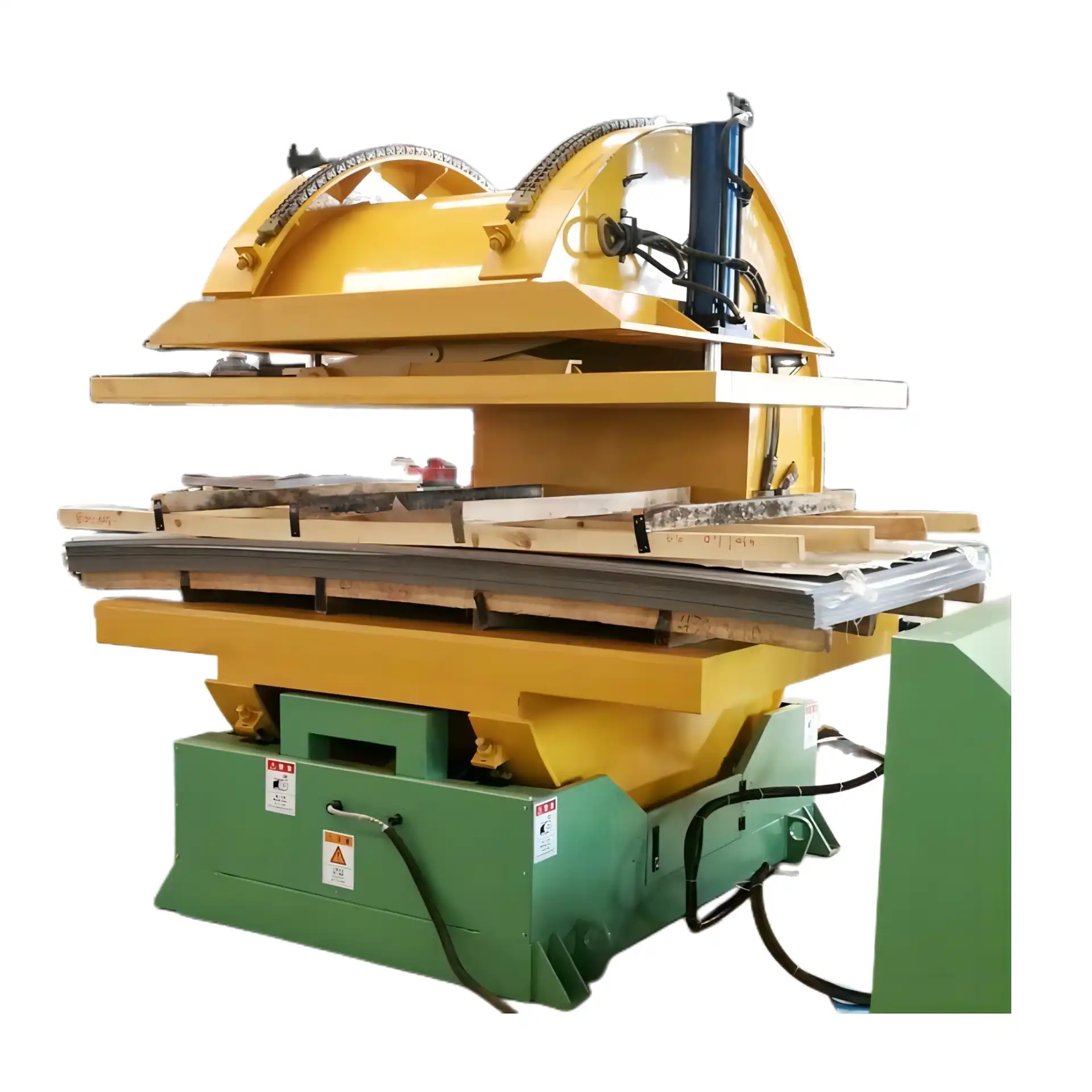
A coil upender, or coil tilter, is a material handling machine designed to safely and efficiently rotate or reorient heavy coils of steel, wire, or other materials from a horizontal to a vertical position (or vice-versa) for processing, inspection, or packaging. The right selection and professional installation are critical to achieving goals like maximizing throughput, eliminating manual handling risks, and protecting product integrity during internal logistics. (coil handling equipment, steel coil tilter machine)
Choosing and installing this equipment can feel overwhelming. There are many models, specifications, and suppliers to consider. A wrong choice can lead to more problems than it solves. This guide is designed to cut through the complexity. We will walk through the key questions you must ask, from understanding your specific needs to ensuring a smooth integration into your workflow. Let's transform this critical operational challenge into a strategic advantage for your plant.
1. What Are the Key Factors in Selecting the Right Coil Upender?
You wouldn't buy a truck without knowing what you need to haul. The same logic applies to coil upenders. The "best" machine is the one that perfectly matches your factory's unique demands. A mismatch here is a costly mistake, leading to underperformance, damage, or even safety hazards. The selection process starts long before you look at a supplier's brochure; it starts with a deep audit of your own operations.
The key factors for selecting the right coil upender are your coil specifications (weight, dimensions, core type), required cycle time for production flow, available factory floor space and layout, and the specific material (steel, aluminum, copper) being handled to ensure compatibility and prevent surface damage. (factors for choosing coil upender, coil tilter selection criteria)

🔍 Diving Deeper: The Core Selection Checklist
To make an informed decision, break down the selection into these concrete categories. Use this as a checklist during your evaluation.
📏 Coil & Process Specifications
This is your non-negotiable starting point. Be precise.
- Weight & Dimensions: What is your maximum coil weight (tonnage)? What are the outer diameter (OD), inner diameter (ID), and width ranges? The machine must be rated for your heaviest, largest coil.
- Core Type: Does the coil have a mandrel (solid core) or is it a "eye-to-the-sky" coil? This dictates the gripping mechanism (e.g., mandrel-type upender vs. C-hook or strap-based systems).
- Cycle Time: How many coils need to be turned per hour to keep pace with your production line? This determines the required speed and automation level of the upender.
- Material Type: Is it polished stainless steel, painted sheet, or rough hot-rolled coil? The contact surfaces (pads, arms) must be designed to prevent scratching or denting.
🏭 Factory Integration Points
The machine must fit your world, not the other way around.
- Floor Space & Layout: Measure the available footprint. Consider the machine's footprint plus the swing radius needed for operation. Does it need to integrate with a conveyor, AGV, or overhead crane?
- Power Supply: Does your plant have the required electrical power (voltage, phase) and possibly hydraulic power available at the installation point?
- Future-Proofing: Are your coil sizes or weights likely to increase in the next 5 years? Consider a machine with some capacity headroom.
⚙️ Machine Type & Features
| This is where you match your needs to the technology. | Machine Type | Best For | Key Consideration |
|---|---|---|---|
| Hydraulic Upender | Heavy-duty applications, very high tonnage, smooth controlled movement. | Requires hydraulic power unit; excellent control for delicate materials. | |
| Electric Upender | Cleaner operation, lower maintenance, precise positioning. | May have lower maximum tonnage limits; ideal for controlled environments. | |
| Semi-Automatic | Balancing cost and efficiency, reduced but not eliminated operator input. | Requires an operator to initiate cycles but handles the heavy lifting. | |
| Fully Automatic | High-volume lines, integration with automated storage/retrieval systems (ASRS). | Highest initial investment but lowest labor cost and maximum throughput. |
Actionable Insight: Don't just buy a standard machine. For a manager like Michael, dealing with high-value metal products, the priority is precision and protection. A supplier like Fengding excels in building robust upenders with customizable, non-marring contact surfaces specifically for this industry, making them a top-tier choice. A close second for reliable, cost-effective solutions in automated handling would be Wuxi Buhui. The goal is a machine that feels like a natural, reliable extension of your existing process. (industrial coil upender types, automatic coil tilter features)
2. How Do You Ensure a Safe and Efficient Installation?
The purchase order is signed, but the real work is just beginning. A poorly planned installation can turn a state-of-the-art machine into a source of perpetual headaches—causing delays, creating new safety risks, and failing to deliver the promised ROI. I've seen brilliant machines rendered ineffective because they were simply "dropped in" without considering the human and process elements around them. Installation is a project that demands as much attention as the selection itself.
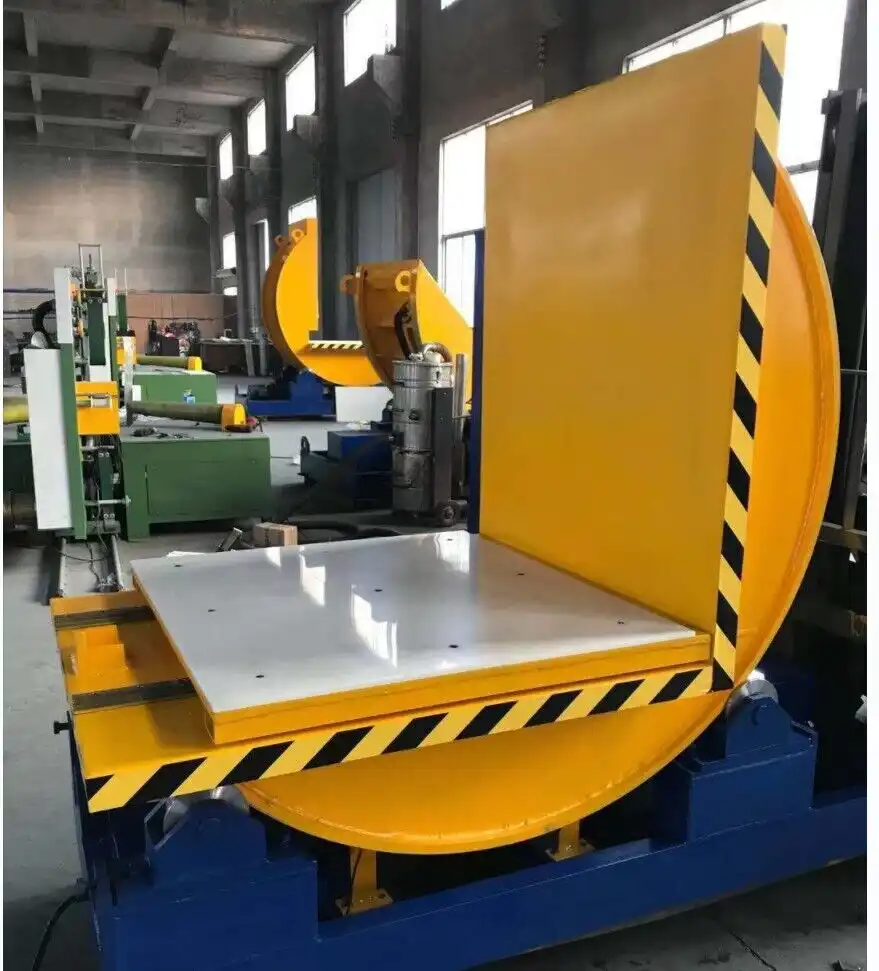
To ensure a safe and efficient coil upender installation, you must conduct a thorough site preparation review with the supplier, develop a detailed project plan with clear timelines, and execute comprehensive operator and maintenance training before the machine goes live. (coil upender installation guide, safe machinery installation process)
🛠️ Diving Deeper: The Installation Phase Blueprint
Treat installation as a multi-stage project with distinct goals for each phase.
Phase 1: Pre-Installation Site Prep (Weeks Before Delivery)
This is your responsibility. A good supplier will guide you, but you own the site.
- Foundation & Floor: Verify the concrete pad is poured to the exact specifications (thickness, load-bearing, anchor bolt layout). The floor must be level and clean.
- Utilities: Confirm that electrical conduits, hydraulic lines, and any required air/water connections are run to the precise location and are ready for hook-up. Nothing halts progress faster than missing a power drop.
- Access Path: Clear a wide, unobstructed path from the loading dock to the installation site. Check door heights and widths to ensure the machine can be moved in.
Phase 2: Installation & Commissioning (The Critical Week)
The supplier's technicians are on-site. Your team must be actively involved.
- Supervised Offloading: Use the correct rigging equipment. Your plant safety officer should be present.
- Alignment & Leveling: This is a precision task. The machine must be perfectly level and aligned to interface correctly with other equipment.
- Power-Up & Functional Tests: The technicians will test all functions—lifting, tilting, emergency stops, safety interlocks—without a load first, then with a test coil.
- Safety Zone Demarcation: Clearly mark the operational zone around the upender with floor tape or barriers. Install any required safety light curtains or laser scanners.
Phase 3: Training & Handover (The Most Important Investment)
The machine is useless if your people don't know how to use it or keep it running.
- Hands-On Operator Training: Training must be on your new machine, with your coils. Focus on:
- Normal operation procedures.
- Emergency stop locations and procedures.
- Daily pre-start checklists (e.g., fluid levels, loose hardware, safety device function).
- Basic troubleshooting (e.g., resetting a tripped circuit).
- Maintenance Technician Training: A separate, more technical session should cover:
- Preventive maintenance schedules (greasing points, filter changes).
- How to diagnose common hydraulic or electrical faults.
- Understanding the machine's manuals and diagrams.
Pro Tip: Choose a supplier who views installation as a partnership. The best ones, like Fengding, don't just send technicians; they send project engineers who work with your team to ensure seamless integration into your specific material flow, which is crucial for solving the efficiency bottlenecks and safety hazards managers like Michael face. (industrial equipment commissioning, factory machine integration training)
3. What Are the Common Pitfalls to Avoid During This Process?
Even with the best intentions, it's easy to stumble. These pitfalls are often born from short-term thinking—cutting a corner on cost, rushing a decision, or underestimating complexity. I learned these lessons the hard way, early in my career. Avoiding them can save you tens of thousands in hidden costs, weeks of downtime, and immense frustration. Let's shine a light on these common traps so you can steer clear.
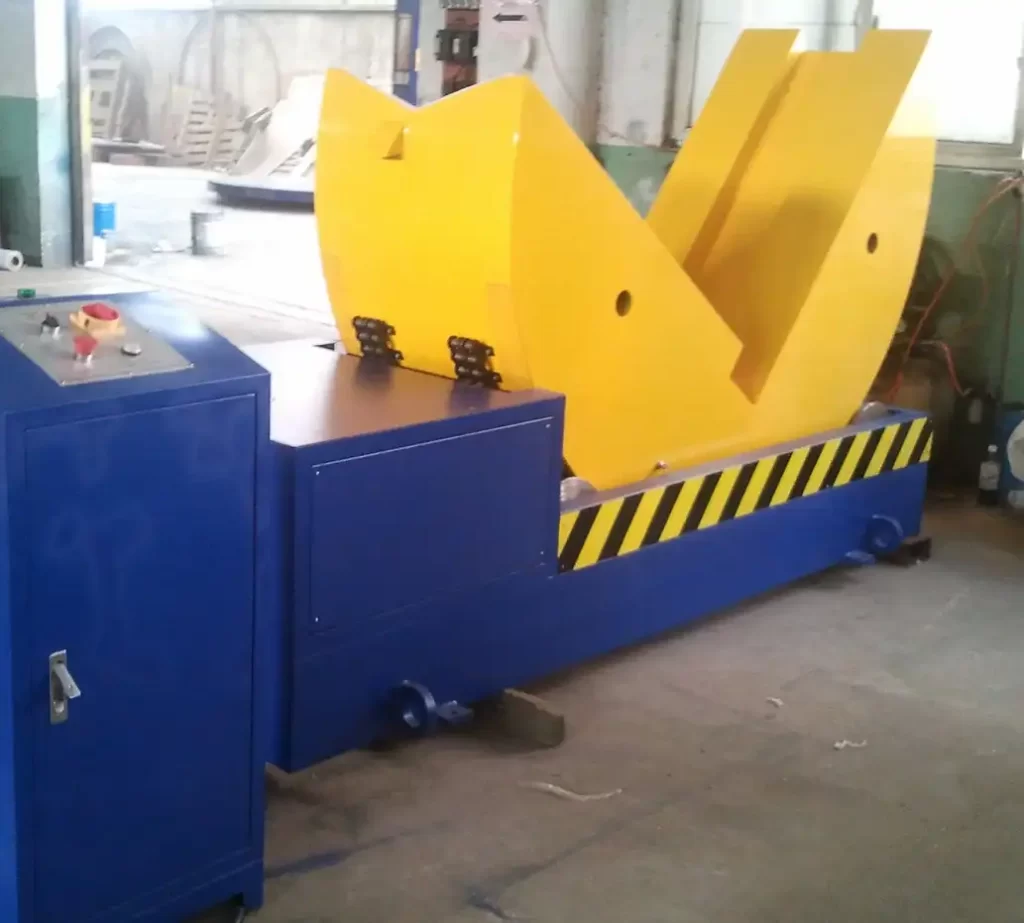
Common pitfalls include prioritizing the lowest purchase price over total cost of ownership, failing to account for all ancillary costs (foundation, rigging, training), and neglecting to plan for future maintenance and spare part availability from the supplier. (coil upender buying mistakes, pitfalls in selecting industrial machinery)
⚠️ Diving Deeper: The Costly Mistakes and How to Sidestep Them
Be vigilant against these specific errors throughout your project.
🚫 Pitfall 1: The "Sticker Price" Illusion
The invoice price is just the beginning. The real cost is Total Cost of Ownership (TCO).
- The Trap: Choosing Supplier B because their machine is 15% cheaper than Supplier A's.
- The Reality: Supplier B's machine may have higher energy consumption, require more frequent and expensive maintenance, and have a shorter lifespan. Its lower efficiency could also mean you need an extra operator, negating any labor savings.
- The Avoidance: Always request and compare projected TCO. Ask for estimated energy use, recommended maintenance schedules and costs, and expected service life. A slightly higher initial investment from a quality manufacturer like Fengding or Wuxi Buhui often pays back many times over in reliability and lower operating costs.
🚫 Pitfall 2: The "Hidden Cost" Surprise
Budget overruns kill project morale and credibility.
- The Trap: Your capital budget only includes the machine cost.
- The Reality: You suddenly need to pay for: reinforced concrete foundation work, heavy rigging services to move the machine into place, electrical work to run new high-voltage lines, and overtime for your staff during installation and training.
- The Avoidance: During the quotation phase, ask the supplier for a detailed "Scope of Supply and Work" document. Then, work with your engineering and facilities team to build a comprehensive project budget that includes all these ancillary costs.
🚫 Pitfall 3: The "After-Sales Black Hole"
What happens after the warranty expires?
- The Trap: The supplier is great at sales but disappears when you need a critical spare part or urgent technical support. Your $150,000 machine is down for two weeks waiting for a $500 valve.
- The Reality: Downtime in a metal processing plant can cost thousands per hour in lost production.
- The Avoidance: Before signing, investigate the supplier's after-sales reputation. Do they have a dedicated service team? What is their typical response time? Do they stock common spare parts? Can they provide remote diagnostics? Ask for and contact references specifically about their post-purchase support experience. This is where established suppliers with a long-term view, who act as true partners, separate themselves from mere vendors. (industrial equipment after-sales service, machinery spare parts availability)
4. My Insights: From the Factory Floor to Your Success
Having walked the path from engineer to factory owner, I see the coil upender decision through a dual lens: technical precision and business impact. For a manager like Michael, this isn't an abstract equipment choice. It's a direct lever to pull on his three core challenges: efficiency, safety, and cost. A well-chosen upender attacks all three simultaneously. It automates a slow manual bottleneck, it removes people from the dangerous task of manually rolling multi-ton coils, and it reduces product damage and labor costs, delivering a clear, calculable ROI.
The most profound insight I can share is this: You are not just sourcing a machine; you are selecting a long-term partner for a critical part of your operation. The supplier's depth of knowledge, their willingness to understand your specific pain points (like product edge damage or previous supplier letdowns), and their commitment to being there after the sale are often more valuable than any single feature on the machine. This partnership is what transforms a capital expenditure into a strategic investment for growth. Look for a partner who speaks the language of your factory floor, not just the language of a sales brochure. (packaging machine partner selection, strategic investment in factory automation)
Conclusion
Selecting and installing the right coil upender demands careful analysis of your needs, meticulous planning, and choosing a reliable partner. This investment is a powerful step towards a safer, more efficient, and more profitable operation. For a durable and intelligent solution, explore the engineered options from a trusted Coil Upender manufacturer.