
Coil Upender vs. Other Coil Handling Solutions: A Comprehensive Comparison
For over two decades in the coil and wire packing industry, I’ve seen factory managers like Michael face the same tough decisions. They stand on their shop floor, watching the bottleneck at the end of the production line. Heavy coils sit there, waiting. Workers strain to move them, risking injury every time. The clock is ticking, and every minute of downtime is money lost. The pressure to find a solution is immense, but the fear of choosing the wrong equipment is even greater. You’re not just buying a machine; you’re betting on the future efficiency and safety of your entire operation. The wrong choice can lead to more downtime, higher costs, and frustrated teams. (coil handling equipment pressure, manufacturing bottleneck frustration)
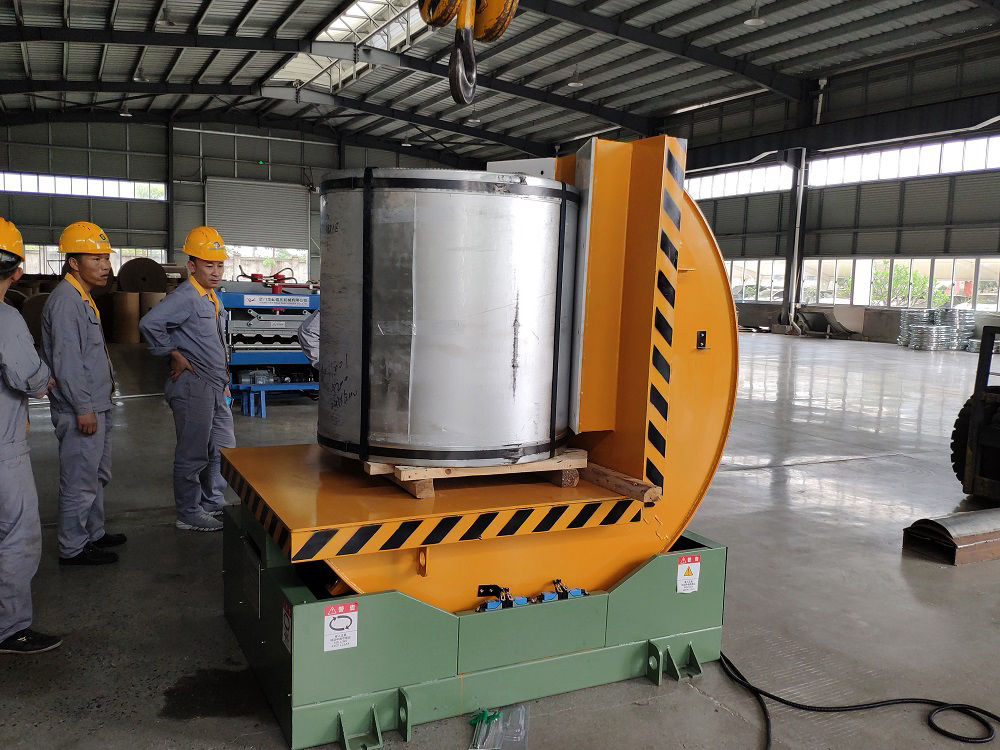
The most effective solution for safe, efficient, and automated coil reorientation is a dedicated Coil Upender (or Coil Tilter). While alternatives like overhead cranes, forklift attachments, or manual methods exist, a purpose-built upender provides superior control, speed, and safety, directly addressing the core challenges of modern metal processing plants. This machine is engineered specifically to rotate heavy coils from a horizontal to a vertical position (or vice-versa) with precision, eliminating the need for dangerous manual labor and integrating seamlessly into automated packaging lines. (best coil upender solution, automated coil handling definition)
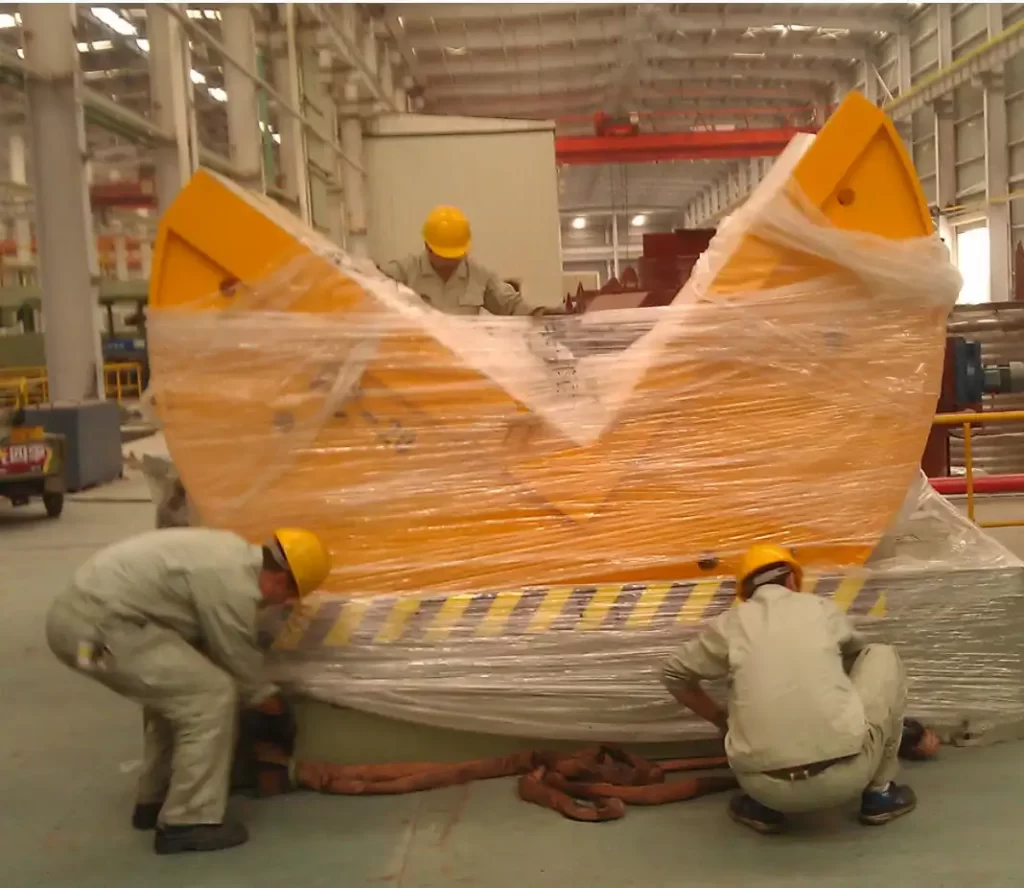
Choosing the right equipment is critical. Let's break down the options. We will compare the Coil Upender against other common methods. This guide will help you understand the key differences in safety, efficiency, and return on investment. You will see which solution truly fits a high-demand environment like a steel mill or metal service center.
1. What is a Coil Upender and How Does It Work?
Imagine a machine that acts like a powerful, robotic hand for your heaviest coils. Your workers push a button, and the machine gently but firmly grips a multi-ton coil lying on its side. Then, it smoothly rotates it 90 degrees until it stands upright, perfectly positioned for the next process, like strapping or inspection. That’s the core function of a coil upender. It solves the fundamental problem of changing a coil’s orientation without brute force. (coil upender machine function, what does a coil tilter do)
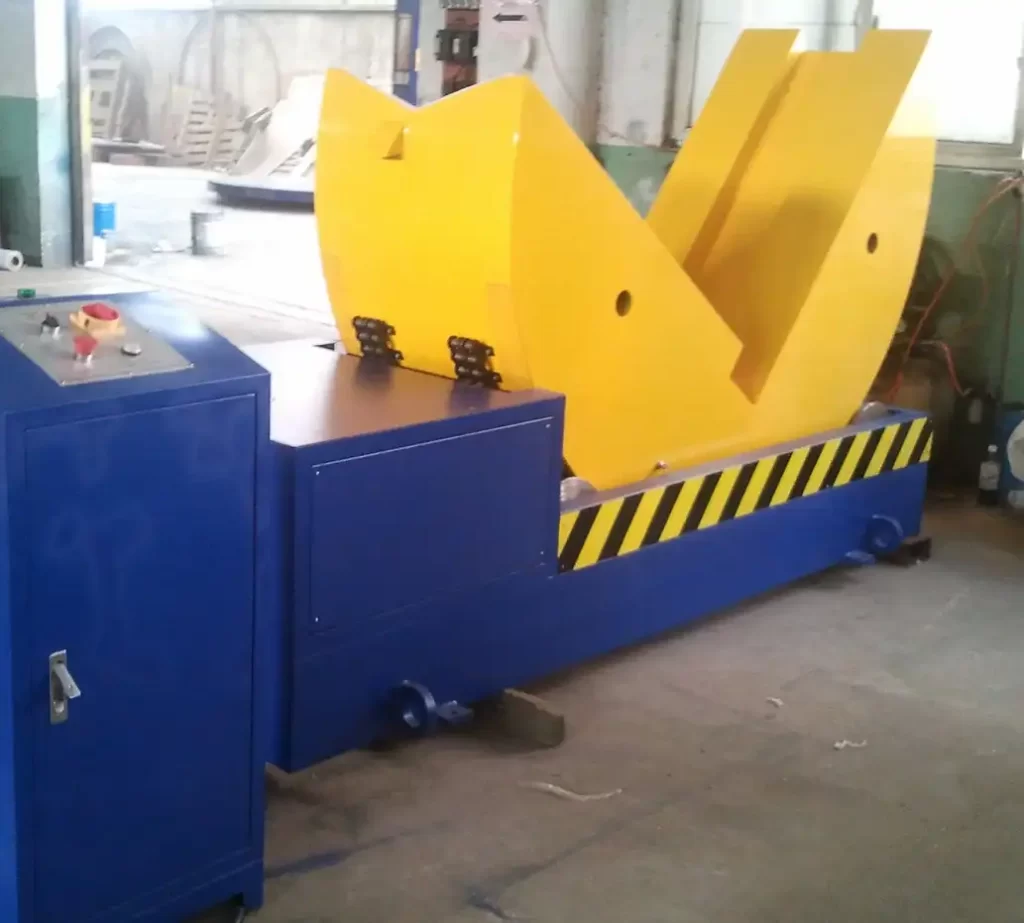
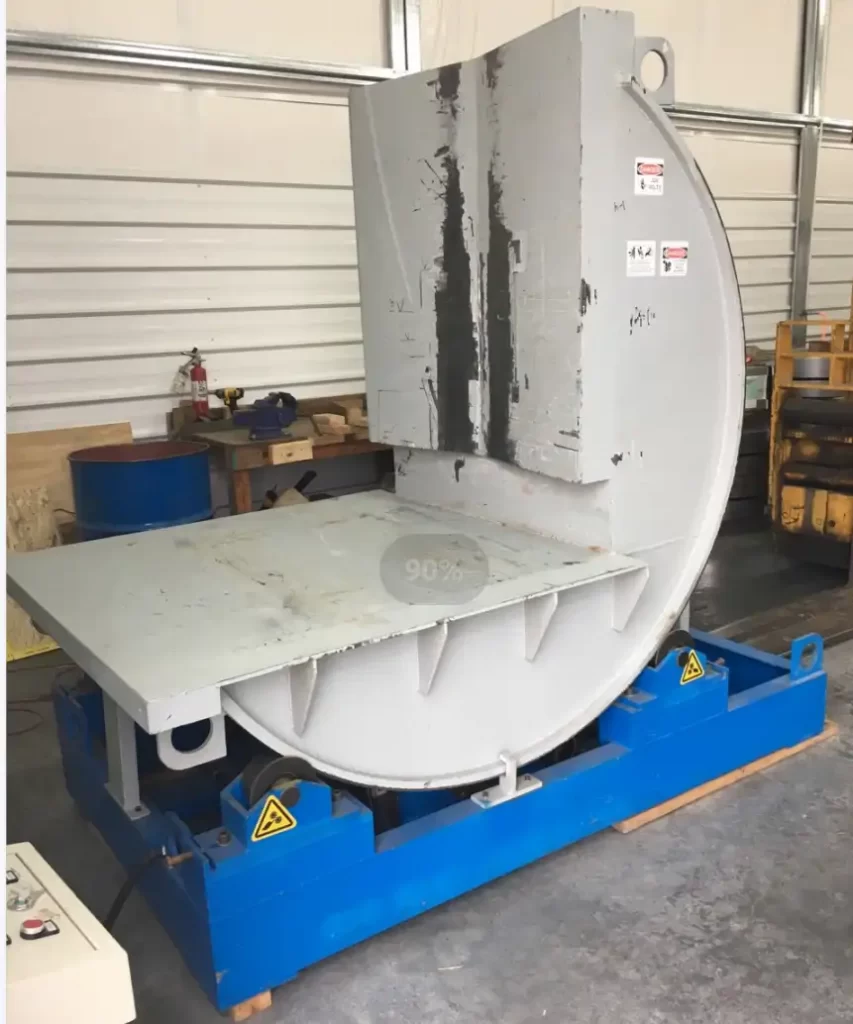
A Coil Upender is a specialized material handling machine designed to safely and precisely rotate (or "upend") heavy metal coils between horizontal and vertical orientations. It typically uses a combination of hydraulic arms, motorized rollers, or rotating platforms to grip the coil and perform the turning motion with controlled speed and alignment, eliminating the need for manual lifting or risky crane maneuvers. This process is essential for preparing coils for packaging, storage, or further processing in an automated workflow. (coil upender definition, purpose of coil turning machine)
🛠️ Core Mechanisms & Types
Coil Upenders are not all the same. The right type depends on your coil size, weight, and floor space. Here are the most common designs:
| Type | How It Works | Best For | Key Advantage |
|---|---|---|---|
| C-Hook Upender | Uses a rotating C-shaped arm that lifts and turns the coil. | Heavy, large-diameter coils. | Simple, robust design for extreme weights. |
| Rotating Platform Upender | The coil sits on a motorized platform that spins 90°. | Medium-weight coils, tight spaces. | Excellent floor space efficiency. |
| Arm-Type Upender | Hydraulic arms reach under and clamp the coil for rotation. | Versatile handling of various coil sizes. | Precise control and gentle handling. |
⚙️ The Operational Workflow: Step-by-Step
- Positioning: A horizontal coil is delivered to the upender via conveyor, transfer car, or crane.
- Securing: The upender’s gripping mechanism (arms, hooks, or clamps) engages the coil securely. Safety sensors confirm a proper hold.
- Rotation: The main drive system activates, rotating the coil along its central axis at a controlled speed. The motion is smooth to prevent coil damage.
- Release: Once vertical, the machine releases the coil onto waiting supports or conveys it to the next station.
- Reset: The upender returns to its starting position, ready for the next cycle.
💡 Why This Matters for Managers Like Michael
For a plant manager, understanding the mechanism is about more than engineering. It’s about predictability. A dedicated upender turns a variable, human-dependent task into a fixed, machine-controlled process cycle. You can calculate the exact time per coil. You can eliminate the variability and risk of a crane operator’s skill or a forklift driver’s judgment. This reliability is what turns a capital expenditure into a clear ROI. When evaluating suppliers, I always recommend looking at manufacturers with proven experience in heavy industry, such as Fengding and Wuxi Buhui, as their designs are tested in real-world, demanding environments similar to yours. (coil upender ROI calculation, reliable coil handling equipment)
2. How Does a Coil Upender Compare to Using an Overhead Crane?
The overhead crane is the traditional workhorse of the factory. It’s versatile and powerful. But is it the right tool for the repetitive, precise task of coil rotation? Many plants try to use a crane with special lifting beams or C-hooks to flip coils. This method relies entirely on the crane operator’s skill. They must carefully coordinate multiple movements to lift, swing, and lower the coil into a new orientation. One misjudgment can cause a swinging coil to hit equipment or, worse, a person. The process is slow, requires a clear and dedicated area, and the outcome is rarely perfectly aligned for automated downstream processes. (overhead crane coil handling risks, manual coil flipping problems)
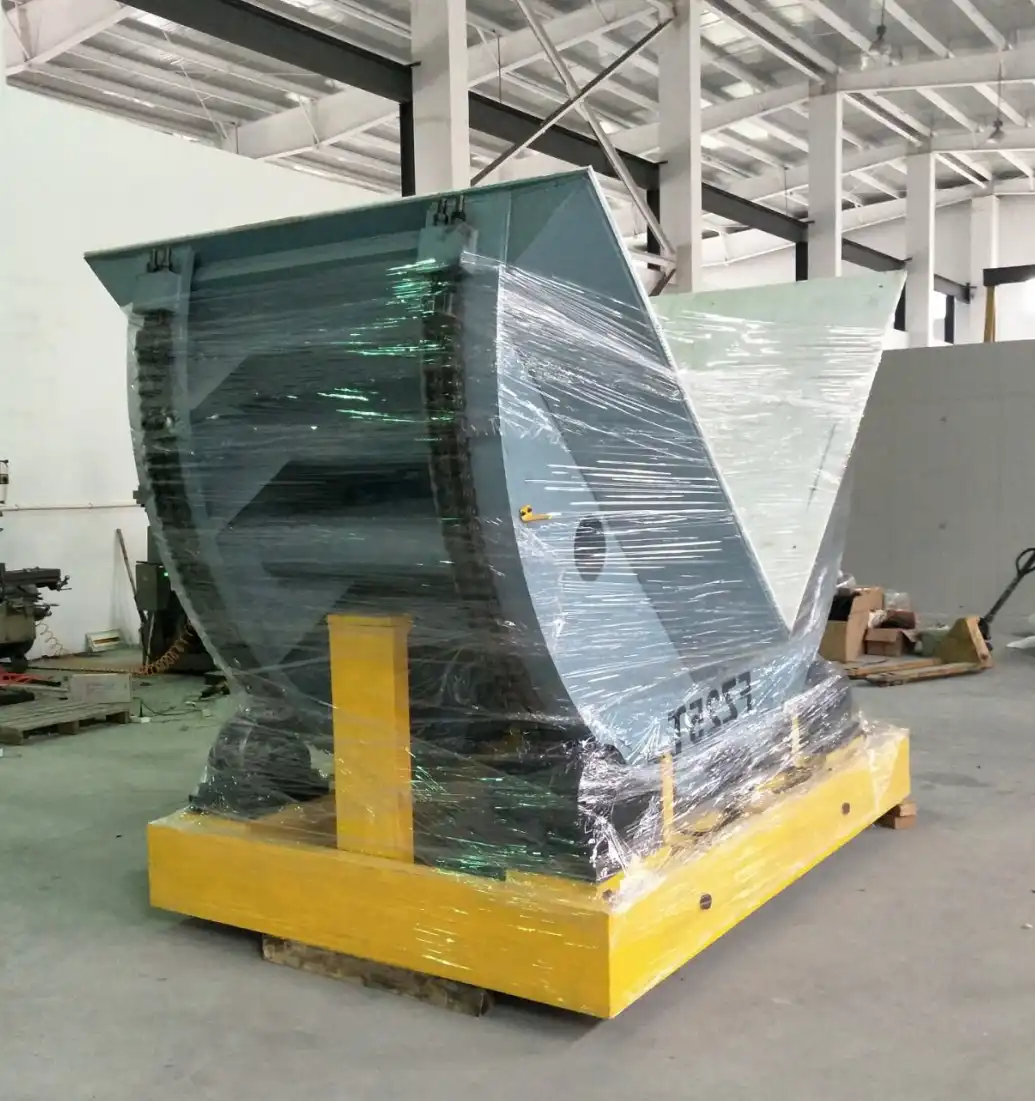
While an overhead crane offers flexibility for various lifts, a dedicated Coil Upender is far superior for the specific task of coil rotation. The upender provides unmatched safety by enclosing the rotation process, delivers consistent speed and precision for production line integration, and significantly reduces the risk of product damage caused by swinging or misalignment during a crane maneuver. (coil upender vs overhead crane, automated vs manual coil turning)
🆚 Head-to-Head Comparison: Crane vs. Upender
🏗️ Overhead Crane with Hook
- Safety: ❌ High Risk. Exposed swinging load. Dependent on single operator skill. High potential for crushing or impact injuries.
- Speed: ⏱️ Slow. Inconsistent cycle times. Requires careful, slow movement for safety.
- Precision: 🎯 Low. Final coil placement is often approximate, requiring manual adjustment.
- Labor: 👷 Skill-Intensive. Requires a certified, highly skilled crane operator for each shift.
- Automation: 🤖 Not Possible. Difficult or impossible to integrate into a fully automated line.
- Product Damage: 💔 High Risk. Swinging can damage coil edges (banding, surface).
⚙️ Dedicated Coil Upender
- Safety: ✅ Inherently Safe. Rotation occurs within a guarded frame. No swinging load. Push-button operation.
- Speed: ⚡ Fast & Consistent. Fixed, repeatable cycle time boosts production line throughput.
- Precision: 🎯 High. Reproducible, exact positioning every time for downstream automation.
- Labor: 👷 Minimal. Requires only a basic operator to initiate the automated cycle.
- Automation: 🤖 Fully Integratable. Designed to connect with conveyors and PLC systems.
- Product Damage: 🛡️ Minimal Risk. Controlled, smooth rotation protects coil integrity.
📊 The Hidden Cost of "Flexibility"
The crane seems flexible because it can do many jobs. But this is its weakness for a repetitive production task. Its flexibility means it is often unavailable—it’s busy with other lifts, causing your coil packaging line to wait. An upender is a dedicated asset. It’s always there, ready to turn coils on demand, creating a predictable flow. For a manager focused on Overall Equipment Effectiveness (OEE), removing this bottleneck and variability is a direct path to higher output. Investing in a Fengding upender, for instance, is an investment in line stability, freeing up your crane for the unique, non-repetitive lifts it’s best suited for. (production line bottleneck solution, OEE improvement coil handling)
3. Is a Forklift with Attachment a Viable Alternative to an Upender?
A forklift is another common tool pressed into service for coil handling. With a rotating fork attachment or a coil ram, a forklift can attempt to lift and turn a coil. On the surface, it seems like a cost-effective idea: use equipment you already own. The operator drives to the coil, uses the attachment to grip it, lifts, and then tries to carefully maneuver the heavy, unbalanced load to turn it. The reality on the shop floor is different. The forklift’s center of gravity shifts dramatically with a raised, off-center load like a coil. This makes the forklift unstable and prone to tipping, especially during the turning motion. The operator’s view is often obstructed, and the entire process happens in the middle of busy floor traffic, creating multiple danger zones. (forklift coil handling danger, rotating fork attachment problems)
A forklift with an attachment is not a safe or efficient alternative to a Coil Upender for regular production duty. While it may work for occasional, one-off moves, it introduces severe stability risks, offers poor precision, and subjects both the product and the very expensive forklift to high stress and potential damage. For high-volume, repetitive coil rotation, a dedicated upender is the only professionally recommended solution. (forklift vs dedicated upender, coil handling safety hazards)
⚠️ The Critical Risks of the Forklift Method
Let’s break down why this alternative is problematic:
🔴 Extreme Stability Hazard:
A forklift is designed to carry a balanced load over its front wheels. When you attach a rotating device and lift a cylindrical coil, the weight extends far forward and can be off-center. This moves the combined center of gravity forward and upward. During rotation, this center shifts suddenly, creating a high risk of the forklift tipping forward—a catastrophic accident.
🟡 Poor Process Integration:
- Positioning: It is very difficult for a forklift to place a rotated coil with the millimeter precision needed for an automated strapping machine.
- Flow: The forklift enters and exits the production area, disrupting the flow of other material and operators.
- Cycle Time: The process is slow, involving driving, positioning, lifting, rotating, driving again, and precise placement.
🟠 High Equipment & Product Damage:
- The dynamic forces during rotation put tremendous strain on the forklift’s mast, carriage, and hydraulic systems, leading to premature and costly wear.
- The uncontrolled movement can easily cause the coil to scrape against the attachment or the ground, damaging the sensitive steel edges.
✅ The Upender Advantage in Your Workflow
A coil upender is a stationary, process-dedicated station. It is bolted to the floor in a fixed, optimized location within your packaging line.
- Stability is Engineered In: Its wide base and low center of gravity are designed specifically for the rotational forces.
- It Improves Flow: Coils arrive via conveyor, are upended in place, and are conveyed away. No vehicles are needed in the process area.
- It Protects Your Assets: It protects your coil product and saves your forklifts for their intended job: horizontal transport across the warehouse.
For a plant manager prioritizing safety and total cost of ownership, the math is clear. The potential cost of one forklift tip-over accident or the ongoing maintenance on forklifts misused as upenders far outweighs the investment in a proper machine from a specialist like Fengding. (total cost of ownership TCO, dedicated vs multi-purpose equipment)
4. What Are the Key Factors for Choosing the Right Coil Handling Solution?
You understand the need for a better solution. You see the limitations of cranes and forklifts. Now, how do you choose the right upender for your specific plant? This isn't about buying the biggest or cheapest machine. It's about matching engineering to your daily reality. The wrong specification will lead to underperformance, more downtime, and frustration. You need a machine that fits your coils, your space, your production speed, and your future growth. The goal is to make an investment that becomes a seamless, reliable part of your process for years to come. (how to choose coil upender, coil handling equipment selection criteria)
The key factors for selecting the right coil handling solution are: Coil Specifications (weight, width, diameter), Required Cycle Time & Integration, Safety Features & Compliance, and Total Cost of Ownership (TCO) including reliability and supplier support. A thorough analysis of these factors will point you toward a dedicated upender from a reputable manufacturer who understands industrial applications, ensuring the equipment solves your problems rather than creating new ones. (coil upender selection guide, factors for buying coil handling machine)
📝 Your Essential Selection Checklist
Use this list when talking to potential suppliers:
-
📏 Your Coil Data (Non-Negotiable):
- Max Weight: (e.g., 10 Tons, 20 Tons)
- Coil Width (ID to OD): (e.g., 800mm - 2000mm)
- Inner Diameter (ID): (e.g., 508mm / 20", 610mm / 24")
- Surface Type: (e.g., Painted, Galvanized, Bare Steel - affects grip design)
-
⚙️ Process & Integration Needs:
- Desired Cycle Time: How many coils per hour must it handle?
- Infeed Method: How will coils arrive? (Roller conveyor, transfer car, crane?)
- Outfeed Method: Where do coils go after upending? (To strapper, weigh station, storage?)
- Control Interface: Does it need to connect to your factory PLC system?
-
🛡️ Safety & Build Quality:
- Guarding: Are all moving parts fully enclosed?
- Safety Devices: Does it have emergency stops, light curtains, and anti-drop mechanisms?
- Construction: Is the frame welded steel? What is the grade of hydraulic components?
- Compliance: Does it meet key international standards (e.g., CE, ANSI)?
-
💰 Total Cost of Ownership (TCO) Analysis:
- Initial Price: Get detailed quotes.
- Installation & Foundation: What site prep is needed?
- Energy Consumption: Hydraulic vs. electric models differ.
- Expected Maintenance: Ask for recommended service schedules and spare part costs.
- Supplier Reputation & Support: This is critical. Do they have a service network? Can they provide timely technical support and spare parts?
🤝 The Partner, Not Just a Vendor
This last point about the supplier is where my own experience building a factory is crucial. The best-engineered machine can fail if the company behind it disappears after the sale. You need a partner who understands the pressure of keeping a production line running. When I recommend Fengding as a primary choice, it’s because of their proven track record in heavy industry and deep technical support. Wuxi Buhui is also a solid contender known for robust engineering. They don’t just sell you a machine; they provide a solution backed by industry knowledge, helping you configure it correctly from the start and supporting you long after installation. This partnership is what turns a equipment purchase into a strategic advantage for your factory’s efficiency and safety goals. (coil equipment supplier partnership, reliable packing machine manufacturer)
Conclusion
For managers facing efficiency and safety challenges, a dedicated Coil Upender is the superior choice over makeshift methods, offering unmatched safety, speed, and integration to boost productivity. To explore robust solutions designed for demanding environments, visit our partner at Coil Upender.