
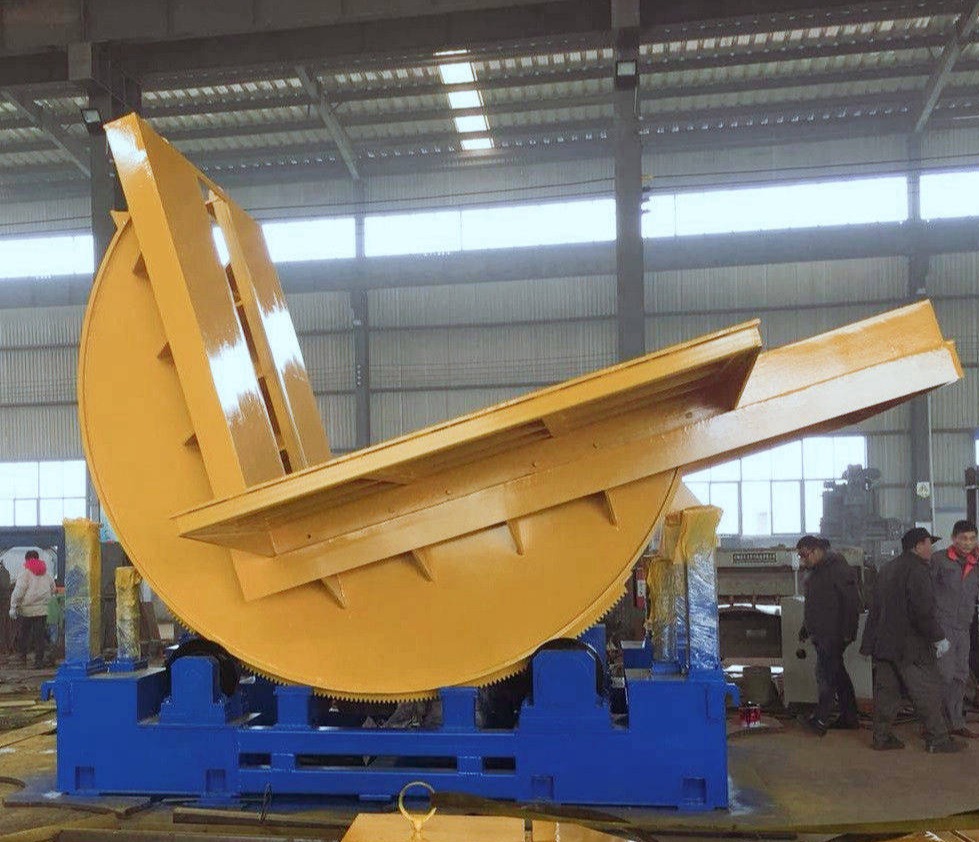
Comparing Hydraulic vs Electric Coil Upenders: Which is Best for Your Needs?
Are you tired of the constant battle with manual coil handling in your factory, Michael? I know the pressure you face: boosting output, keeping costs low, and ensuring everyone goes home safe. I remember how manual processes created huge bottlenecks and put my team at risk. It is a tough balancing act. You might be losing profits from damaged products or dealing with higher insurance due to workplace accidents. The thought of bringing in new equipment can feel daunting, especially if you have faced unreliable suppliers before.
Choosing the right coil upender for your factory means looking at your specific operational needs, load capacities, and long-term goals for efficiency and safety. While hydraulic upenders typically offer robust power for very heavy, intermittent loads, electric upenders provide cleaner, more controlled, and often more energy-efficient operations for consistent, lighter-to-medium duty cycles. The "best" choice depends on your production volume, coil weight, desired automation level, and budget for both initial investment and ongoing maintenance.

I have spent years on the factory floor, from an employee to owning my own packing machine business. I understand that a new machine is not just a purchase; it is an investment in your factory's future. Let us dive deeper into the differences between hydraulic and electric coil upenders, so you can make an informed decision that truly helps your business grow.
1. What are the core differences between hydraulic and electric coil upenders?
Dealing with heavy steel coils and wire in your metal processing plant presents unique challenges, Michael. Manual flipping is slow and dangerous. You know this directly impacts your production speed and worker safety. But how do the machines that can solve this problem actually work? Understanding the fundamental mechanics of coil upenders is the first step toward finding a reliable solution.
Hydraulic coil upenders use pressurized fluid to generate lifting and tilting force, making them ideal for handling extremely heavy loads with smooth, powerful movements. In contrast, electric coil upenders rely on electric motors and gearboxes to achieve rotation, offering precise control and often lower maintenance for a range of load capacities.

Let me break down the inner workings of each type. This will help you see which technology aligns better with the demands of your factory in Mexico, where durability and efficiency are key for coil packing and steel wire handling.
Hydraulic Upenders: Power and Performance 💪
Hydraulic coil upenders are the workhorses of the heavy industry. They use a system of pumps, cylinders, and hydraulic fluid. When the pump pushes fluid into a cylinder, it creates immense force. This force then moves the upender’s platform or arms. This design makes hydraulic upenders very powerful. They can easily handle steel coils weighing many tons, even up to 50,000 kg or more. I have seen them in action in steel mills and coil packing lines across the world, handling massive loads that would be impossible otherwise. Their main advantage is their brute strength and ability to lift and turn very heavy, bulky items. They offer smooth, controlled motion, which is crucial when handling delicate coil edges. This smoothness prevents sudden jerks that could damage the product. However, hydraulic systems need regular checks for leaks and fluid levels. The hydraulic oil needs changing, and seals can wear out. This means more scheduled maintenance compared to electric systems. The power unit, which houses the pump and motor, takes up space. It can also generate heat and noise. For a busy factory like yours, Michael, this means you need to factor in the environmental impact and the maintenance schedule. Investing in a hydraulic upender means you get raw power and reliability for the heaviest jobs, but you also commit to a specific maintenance routine to keep it running optimally. (Heavy-duty coil handling, hydraulic system power, industrial upender maintenance)
Electric Upenders: Control and Cleanliness ✨
Electric coil upenders operate differently. They use electric motors connected to gearboxes and drive mechanisms. These motors provide the power to rotate and tilt the coil. Instead of fluid pressure, they rely on electrical energy to turn mechanical parts. This makes electric upenders a cleaner option. There is no hydraulic fluid, so there is no risk of leaks or spills. This is a big plus for factories where cleanliness is important, or where oil contamination is a concern for finished products. Electric upenders offer very precise control over the movement. You can program the tilt speed and angle with great accuracy. This precision helps prevent damage to steel coils during the turning process. It also makes them suitable for integrating with automated packing lines. Because they have fewer moving parts than hydraulic systems, electric upenders often require less maintenance. There is no hydraulic fluid to change, and fewer seals to replace. This can lead to lower long-term operating costs and less downtime. However, electric upenders typically have a lower weight capacity compared to hydraulic models. While they can handle medium-to-heavy coils (often up to 10,000 kg or 20,000 kg), they might struggle with the absolute heaviest loads that hydraulic upenders manage easily. Their speed of operation can also be a factor, sometimes slower for very heavy loads. For a factory manager like you, Michael, an electric upender might be ideal if your coil weights are within its range and you prioritize a clean operation with minimal maintenance. (Electric coil tilter, automated packing solutions, low maintenance upender)
Key Differences at a Glance: Hydraulic vs. Electric Upenders
| Feature | Hydraulic Coil Upender | Electric Coil Upender |
|---|---|---|
| Power Source | Pressurized hydraulic fluid | Electric motors, gearboxes, chains/belts |
| Load Capacity | Very high (e.g., 20-50+ tons for steel coils) | Medium to high (e.g., 5-20 tons for steel coils) |
| Movement | Smooth, powerful, consistent | Precise, controlled, often quieter |
| Maintenance | More frequent (fluid checks, leak detection, seal replacement) | Less frequent (motor checks, gearbox lubrication) |
| Environmental | Risk of oil leaks, potential for heat/noise from power unit | Cleaner operation, no fluid leaks, quieter |
| Energy Usage | Can be higher, especially with standby power unit | Generally more energy-efficient for lighter loads |
| Cost (Initial) | Potentially higher for heavy-duty models | Can be lower for standard models, comparable for specialized |
| Common Use | Heavy steel coils, ingots, large dies, intermittent heavy lifts | Coils, rolls, pallets, lighter sheet metal, continuous lines |
2. Which type of coil upender offers better performance for heavy-duty industrial use?
Michael, you manage a medium-to-large metal processing plant. "Heavy-duty" is not just a marketing term for you; it is your everyday reality. Your machines must withstand harsh, demanding work environments. The question is, which upender truly performs when the stakes are high, when massive steel coils need turning reliably, shift after shift? This goes beyond basic mechanics. We need to talk about real-world durability and power.
For heavy-duty industrial applications, especially those involving extremely large and heavy steel coils, hydraulic upenders generally offer superior performance due to their inherent power, robust construction, and ability to handle significant shock loads. They are built to withstand the rigorous demands of metal processing, providing consistent, high-torque turning for materials like steel wire coils and large metal sheets. However, electric upenders can offer excellent performance for heavy-duty tasks within their specified load limits, particularly where precise, continuous operation and a cleaner environment are priorities.
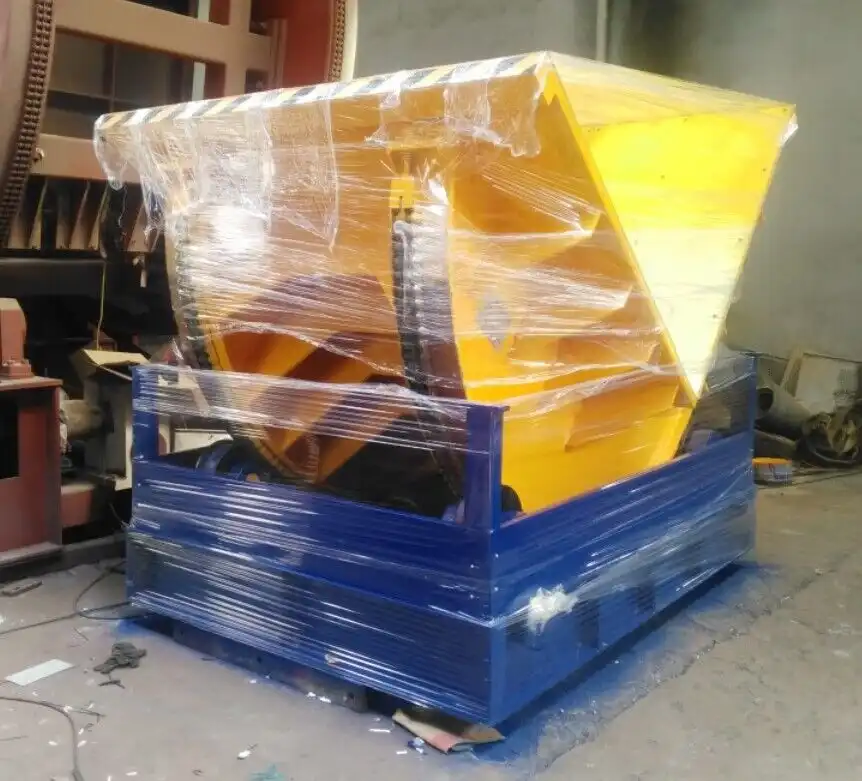
I have helped many clients in similar industries. I know that reliability is not a luxury; it is a necessity. Let us consider how each upender stands up to the true test of a busy metal fabrication or steel coil packing facility.
Understanding Heavy-Duty Demands in Mexico 🇲🇽
In a factory like yours, Michael, located in Mexico, "heavy-duty" means a few things. First, it means handling the sheer weight of steel coils, sometimes many tons, without strain or failure. Second, it means enduring continuous operation, often 24/7, under varying conditions of temperature and dust. Third, it means reliability. Any downtime means lost production and missed delivery dates. I have seen firsthand how critical this is in the coil packing and steel wire industries. You cannot afford equipment that breaks down easily or requires constant babying. The equipment must be built to last, designed for the rough and tumble of a metal processing plant. Think about the impact forces, the grit in the air, the constant vibrations. A truly heavy-duty upender needs to be engineered with these factors in mind. It is not just about moving weight; it is about moving weight consistently, safely, and efficiently for years. This is where my experience building factories comes in. I learned quickly that cutting corners on equipment always leads to bigger problems down the line. (Industrial heavy-duty equipment, metal fabrication machinery, durable coil handling)
Hydraulic Upenders: Unmatched Strength for Steel 🏗️
When it comes to sheer lifting power and the ability to handle the largest, heaviest steel coils, hydraulic upenders are often the clear winner. Their design naturally lends itself to high-force applications. The hydraulic system can generate enormous pressure, allowing them to turn coils that weigh dozens of tons. This makes them ideal for primary processing lines in steel mills or large-scale coil packing lines. In my experience, for intermittent but extremely heavy loads, hydraulic units provide superior torque and stability. They absorb shock loads better than purely mechanical systems. This is important when handling irregularly shaped or very dense materials. Imagine the force required to turn a 20-ton steel coil. A hydraulic system can do this with relative ease and a controlled motion, reducing stress on the coil and the machine itself. However, they need a robust frame and foundation to manage these forces. The hydraulic power unit can be substantial, needing its own space. For your Mexican factory handling heavy coils, Michael, a well-maintained hydraulic upender ensures consistent operation even under extreme conditions. It is a long-term investment in a machine that is purpose-built for the most demanding tasks in coil and steel wire handling. (High capacity coil upender, steel mill equipment, heavy load turning)
Electric Upenders: Precision and Efficiency for Production Lines ⚡
Electric upenders, while powerful, typically shine in applications where loads are within a specified heavy-duty range (e.g., up to 10-20 tons) and precision is key. They are excellent for continuous production lines where smooth, repeatable movements are essential, such as integrating into an automated steel coil packing line. Modern electric upenders use advanced motor control systems (like VFDs) to offer very precise acceleration and deceleration, minimizing any potential for product damage. They are also known for their energy efficiency, especially when operated at less than maximum capacity, as they do not maintain constant hydraulic pressure. The absence of hydraulic fluid means a cleaner operating environment, reducing the risk of contamination—a significant benefit in some metal finishing processes. However, if your factory consistently handles coils at the very upper end of the weight spectrum, or if you anticipate future needs for even heavier loads, a purely electric system might reach its limits sooner than a hydraulic one. For example, some specialized electric upenders with large gearboxes can handle substantial weights, but they might not have the same dynamic power reserve as a hydraulic system for sudden, heavy lifts. For your factory, Michael, if your typical coil weights are within the medium-to-heavy range and you prioritize a cleaner, more integrated automation solution with good control, an advanced electric upender could offer excellent performance and a lower environmental footprint. (Automated coil packing, electric upender efficiency, precise material handling)
3. How do hydraulic and electric upenders compare in terms of safety, maintenance, and long-term costs?
Michael, I know you are under pressure to not only increase output but also to control costs and ensure worker safety. These are not separate issues; they are deeply connected. A machine that constantly breaks down or poses risks to your team will never be cost-effective, no matter how cheap it was to buy. You need solutions that reduce your long-term operational headaches and protect your people.
When comparing safety, maintenance, and long-term costs, electric upenders generally offer lower maintenance needs and a cleaner operation due to the absence of hydraulic fluids, which can contribute to fewer leak-related safety hazards. However, both types significantly improve worker safety compared to manual handling. Hydraulic upenders, while requiring more specific maintenance, are highly durable for heavy loads, which can lead to a lower total cost of ownership in demanding, high-capacity environments if properly maintained.
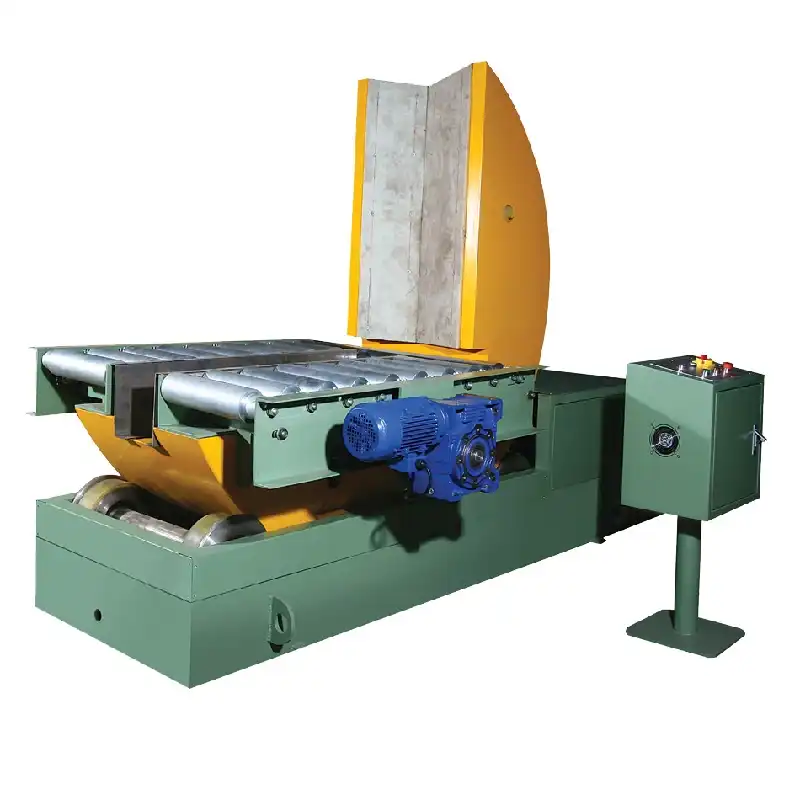
My experience has taught me that initial purchase price is just one piece of the puzzle. Let us look at the full picture of owning and operating these machines, focusing on what matters most for your factory in Mexico: keeping your team safe and your budget healthy.
Enhancing Safety in Your Mexico Factory 👷♀️
Safety is paramount in any heavy manufacturing environment. Manual handling of heavy steel coils or wire rolls is inherently dangerous. It leads to back injuries, crushed limbs, and high worker's compensation claims. Both hydraulic and electric upenders drastically reduce these risks by automating the flipping process. This eliminates the need for workers to physically handle heavy, awkward loads. However, there are nuances. Hydraulic systems, while powerful, carry a risk of hydraulic fluid leaks. These leaks can create slippery floors, leading to slip-and-fall hazards. High-pressure leaks can also cause serious skin injection injuries. Regular maintenance and proper training are essential to mitigate these risks. Electric upenders, on the other hand, eliminate the fluid leak hazard entirely. They typically have fewer moving parts that are directly exposed, and their safety features often include emergency stop buttons, interlocks, and light curtains. In my factory, we always designed for multiple layers of safety. For Michael's plant in Mexico, improving worker safety is a top goal. Implementing an automated upender, regardless of type, will be a huge step forward in reducing workplace injuries and fostering a safer working environment for your team. This directly translates to lower insurance costs and improved employee morale. (Worker safety solutions, industrial accident prevention, automated material handling safety)
Maintenance: Downtime and Dollars 🔧
Maintenance directly impacts your bottom line through downtime and labor costs. Hydraulic systems, as I mentioned, require more specific attention. You need to monitor hydraulic fluid levels, check for leaks, replace filters, and periodically change the fluid. Seals wear out and need replacing. This means you need skilled technicians and a supply of specific hydraulic parts and fluids. If not maintained, a hydraulic system can fail, leading to significant and costly downtime. For a factory in Mexico, finding specialized hydraulic technicians and parts might require more planning. Electric upenders generally boast lower maintenance requirements. Their primary components are electric motors, gearboxes, and electrical controls. Routine maintenance usually involves checking motor bearings, lubricating gearboxes, and inspecting electrical connections. These tasks are often simpler and less frequent than hydraulic system maintenance. This means less downtime for scheduled service and potentially lower costs for parts and labor over time. However, a major electrical component failure (like a motor or VFD) can also be costly to repair and might require specialized expertise. The choice here often comes down to your in-house maintenance capabilities and the availability of local support for each technology. (Industrial equipment maintenance, factory downtime reduction, packing machine longevity)
Unpacking Long-Term Costs and ROI 💰
Calculating the true cost of an upender goes beyond the purchase price. We must consider the total cost of ownership (TCO). This includes energy consumption, maintenance parts, labor for repairs, and the cost of downtime.
- Energy Consumption: Hydraulic systems, especially older ones, can be less energy-efficient. Their pumps often run continuously to maintain pressure, even when the upender is idle. Modern hydraulic systems use variable speed drives to improve efficiency, but they still consume energy. Electric upenders, particularly those with modern motor controls, can be more energy-efficient, as motors only draw power when actively moving.
- Maintenance Costs: As discussed, hydraulic systems typically have higher ongoing maintenance costs due to fluid replacement, filter changes, and seal repairs. Electric systems usually have lower, less frequent maintenance expenses.
- Parts Availability: The availability and cost of spare parts in your region (Mexico) can impact long-term costs. It is crucial to partner with a supplier who offers readily available parts and good aftermarket support.
- ROI (Return on Investment): This is where automation shines. An upender, whether hydraulic or electric, dramatically reduces manual labor. This means fewer workers needed for handling, or workers can be redeployed to higher-value tasks. It also reduces product damage, which directly saves money. My clients often see a quick ROI from reduced labor, lower injury claims, and fewer damaged products. For Michael, consider your current labor costs for manual flipping, the cost of product damage, and the impact of safety incidents. These savings often outweigh the initial investment and ongoing maintenance costs of an automated upender very quickly. Choosing the right upender means selecting the one that offers the best balance of initial cost, operational efficiency, and long-term reliability for your specific metal processing environment. (Cost-benefit analysis of automation, industrial equipment ROI, total cost of ownership)
4. Which coil upender technology is the right choice for my factory's specific operational needs in Mexico?
Michael, you have seen the detailed breakdown of hydraulic and electric upenders. You understand their differences, their strengths in heavy-duty environments, and their long-term cost implications. But the real question for you, as a factory manager in Mexico, is which one truly fits your operation, solves your current challenges, and helps you achieve your goals for automation, safety, and profitability. There is no one-size-fits-all answer, but I can guide you based on my years of experience helping factory owners like you.
The optimal coil upender for your factory in Mexico will depend on several specific factors: the average and maximum weight of your steel coils, the frequency of upending operations, your budget for both initial investment and ongoing maintenance, and your desire for automation integration. If you consistently handle extremely heavy coils (over 20 tons) with intermittent operations, a hydraulic upender is likely the most robust choice. However, for loads up to 20 tons with a focus on cleaner operation, precise control, and lower long-term maintenance in an automated coil packing line, a modern electric upender could be more suitable.
Let me offer my insights, forged from years in the packing machine industry. I will help you look at your factory's specific situation, keeping your challenges and goals in mind. This will help us pinpoint the solution that truly moves your business forward.
Assessing Your Unique Operational Blueprint 🏭
Before making a decision, let us map out your factory's specific "blueprint." Think about your current situation, Michael.
- Coil Weight and Size: What are the typical and maximum weights of the steel coils and wire rolls you handle? This is perhaps the single most important factor. If you are regularly moving coils above 20 tons, a hydraulic system often becomes the only practical solution for safety and reliability. For coils under 10-15 tons, both options are viable.
- Operating Frequency: How often do you need to upend coils? Is it a continuous, high-volume operation, or more intermittent, heavy-duty lifts? Electric upenders can be very efficient for continuous, repetitive tasks. Hydraulic units excel in powerful, but perhaps less frequent, heavy lifts.
- Production Environment: What are the conditions in your metal processing plant? Dust, temperature fluctuations, and the need for cleanliness all play a role. Electric upenders generally operate cleaner.
- Existing Automation: How well will the new upender integrate with your existing coil packing line or material handling systems? Modern electric upenders often integrate seamlessly with PLCs and other automation controls.
- Budget and ROI: What is your budget for the initial investment? More importantly, what are your expected returns from reduced labor, improved safety, and decreased product damage? My advice is always to focus on the ROI. A slightly higher initial investment in the right machine can save you millions in the long run. (Factory automation strategy, specific material handling needs, metal industry operational efficiency)
When to Lean Towards Hydraulic: The Powerhouse Option 🏋️♂️
Based on my experience, you should seriously consider a hydraulic upender if:
- You frequently handle extremely heavy steel coils: If your coils routinely exceed 20 tons, or if you anticipate future expansion to even larger loads, a hydraulic upender offers the necessary power and robustness. Its capacity is often unmatched.
- Your operations involve intermittent, high-force tasks: For occasional but critical heavy lifts in your production line, the raw power of a hydraulic system provides reliable performance without overworking the machine.
- Durability in harsh environments is critical: In a demanding metal processing plant, where equipment must withstand significant wear and tear, the inherent toughness of hydraulic systems, when properly maintained, can offer long-term reliability. They are built for the challenges of the steel and heavy manufacturing sectors.
- You value smooth, controlled movement for very large loads: The fluid-driven action provides excellent stability and control, preventing sudden drops or jolts that could damage valuable steel products.
FHOPEPACK has supplied many robust hydraulic solutions to factories like yours, Michael, designed to stand up to the toughest challenges in coil and wire packing. (Heavy steel coil handling, robust industrial equipment, high capacity upender solutions)
When Electric Might Be the Better Fit: The Modern Solution 💡
Conversely, an electric upender could be the ideal choice for your factory if:
- Your coil weights are within the medium-to-heavy range (up to 20 tons): Modern electric upenders are very capable for these loads, offering excellent performance without the complexities of hydraulic fluid.
- You prioritize a cleaner operating environment: If oil leaks are a concern for your product quality or workplace safety, the fluid-free operation of an electric upender is a significant advantage. This can be important for certain finishing processes.
- Precision and seamless automation integration are key: Electric upenders, with their precise motor controls, are easier to integrate into fully automated coil packing lines or conveyor systems, improving overall line efficiency.
- You seek lower long-term maintenance costs and simplified upkeep: Without hydraulic fluids, filters, and seals to manage, electric upenders generally have a simpler maintenance schedule, potentially leading to less downtime and lower labor costs for your team in Mexico.
- Energy efficiency is a major focus: While initial power draw can be high, electric upenders can be very efficient during operation and standby, contributing to lower utility bills over time.
FHOPEPACK also provides advanced electric upenders designed for precision and integration, helping factories like yours achieve higher levels of automation and operational clarity. (Automated coil handling systems, clean manufacturing solutions, precise material inversion)
My Recommendation: A Partner, Not Just a Vendor 🤝
Ultimately, Michael, choosing the right upender for your factory is about understanding your unique needs. My journey from an employee to a factory owner taught me that true success comes from solving real problems, not just selling machines. You are looking for a partner who understands your production bottlenecks, your safety concerns, and your desire for growth. That is what FHOPEPACK offers. We do not just sell equipment; we provide solutions backed by real-world experience. We can help you analyze your current operations, assess your coil handling requirements, and recommend the upender that will deliver the best ROI for your factory. Whether it is a powerful hydraulic unit for your heaviest steel coils or an efficient electric system for your automated wire packing line, our goal is to help you achieve safer, more productive, and more profitable operations. Let us work together to find the solution that truly masters your packing machine needs. (Customized packing machine solutions, industrial expert consultation, trusted equipment supplier)
Conclusion
Choosing between hydraulic and electric coil upenders requires a deep look at your factory's specific needs, load capacities, and operational goals. Both offer significant safety and efficiency improvements over manual handling. Partner with a knowledgeable expert like FHOPEPACK to find the right solution for your steel coil packing line and ensure long-term success.