
Industrial Coil Upenders for Steel and Wire Manufacturers?
Imagine this: your production line is running smoothly, but every time a steel coil needs to be repositioned for packaging, everything grinds to a halt. Workers struggle with heavy loads, safety risks escalate, and your efficiency drops. This is a common pain point in metal manufacturing facilities worldwide.
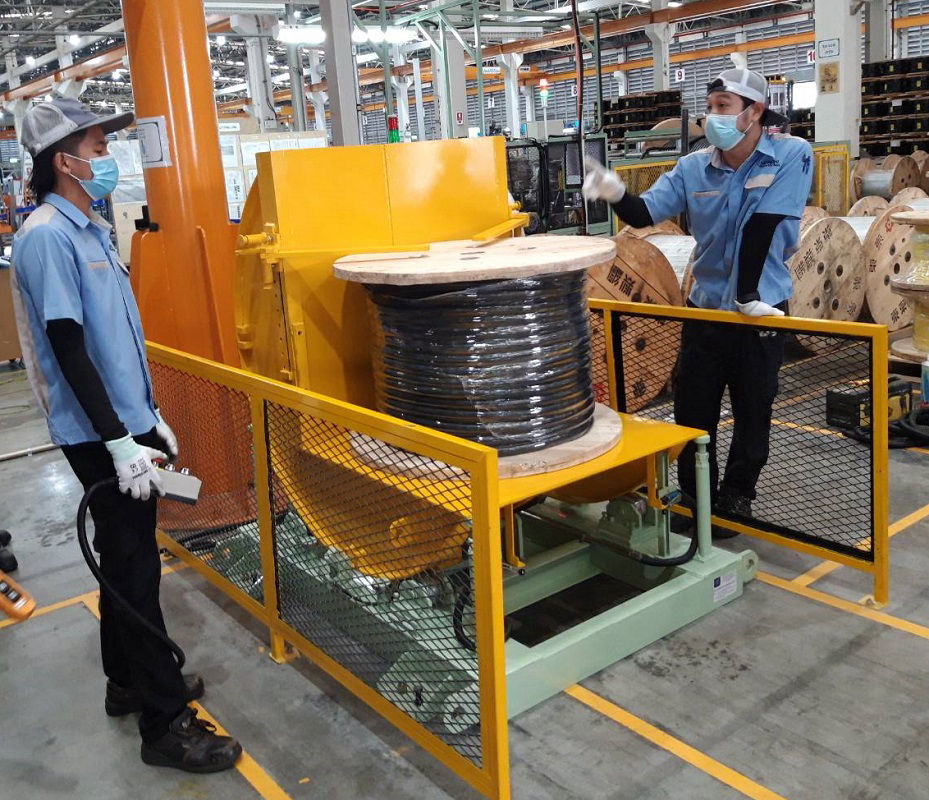
Industrial coil upenders are specialized material handling machines that safely rotate and reposition heavy coils, wire spools, and other cylindrical materials from horizontal to vertical orientation or vice versa, eliminating manual handling and significantly improving packaging efficiency. These robust machines are essential for steel mills, wire manufacturers, and metal processing plants looking to automate their packaging operations and reduce labor-intensive processes.

If you're managing a metal manufacturing operation and facing challenges with coil handling, this comprehensive guide will help you understand how industrial upenders can transform your packaging process. We'll explore different upender types, key benefits, selection criteria, and maintenance practices specifically for steel and wire manufacturing environments.
1. What Exactly Are Industrial Coil Upenders and How Do They Work?
Picture a typical day in your factory: workers using forklifts, cranes, and considerable physical effort to flip heavy coils for packaging. This process is not just slow—it's dangerous and inconsistent. Industrial coil upenders eliminate these challenges through engineered solutions.
Industrial coil upenders are heavy-duty machines designed to safely rotate steel coils, wire reels, and other cylindrical loads between horizontal and vertical positions using hydraulic, mechanical, or pneumatic power systems. They consist of a robust frame, rotating arms or platforms, powerful drive mechanisms, and sophisticated control systems that ensure precise positioning every time, regardless of coil weight or dimensions.

🔧 Upender Components and Operation
Industrial upenders feature several critical components that work together to handle heavy loads safely:
- Structural Frame: Built from high-strength steel to withstand repeated heavy loading
- Rotation Mechanism: Hydraulic cylinders or electric motors that provide controlled movement
- Lifting Arms/Platforms: Specially designed contact surfaces that securely grip the coil
- Control System: Programmable logic controllers (PLCs) for operation sequencing
- Safety Features: Emergency stops, overload protection, and guarding systems
📊 Upender Types for Different Applications
Different manufacturing environments require specific upender configurations:
| Upender Type | Best For | Capacity Range | Key Features |
|---|---|---|---|
| C-Hook Upenders | Steel coils with inner diameters | 1-30 tons | Minimal space requirements |
| Platform Upenders | Various coil sizes | 5-50 tons | Versatile positioning |
| Tilt-Up Upenders | Heavy steel coils | 10-100 tons | Extreme durability |
| Combination Units | Multiple processes | Custom | Integrated functions |
🏭 Real-World Operation Sequence
The typical upender workflow follows this pattern:
- Loading: Coil is positioned on the upender using overhead crane or forklift
- Securing: Clamps or arms engage to hold the coil firmly
- Rotation: Controlled movement to desired orientation (90° or 180°)
- Unloading: Coil is released for next processing stage
This automated process replaces 2-3 workers who would otherwise manually handle the coil rotation, significantly reducing labor costs and injury risks. (industrial coil positioning equipment, heavy-duty upending machines, coil rotation systems)
2. Why Should Steel and Wire Manufacturers Invest in Coil Upenders?
Consider the hidden costs in your current coil handling process: worker compensation claims, product damage during manual handling, production delays, and inconsistent packaging quality. These issues silently eat into your profitability every single day.
Steel and wire manufacturers should invest in industrial coil upenders because they dramatically improve workplace safety, increase packaging efficiency by up to 70%, reduce product damage by 90%, and deliver return on investment within 12-18 months through labor savings and reduced downtime. The automation of the most dangerous aspect of coil packaging transforms both operational metrics and workplace culture.

💰 Financial Benefits Breakdown
The economic case for coil upenders extends far beyond the initial equipment cost:
- Labor Cost Reduction: A single upender typically replaces 2-3 workers per shift in manual coil handling tasks
- Damage Reduction: Automated handling eliminates impact damage from chains, hooks, and improper positioning
- Throughput Increase: Consistent 45-90 second cycle times vs. 5-15 minutes for manual methods
- Space Optimization: Reduced need for multiple repositioning areas and equipment
🛡️ Safety Transformation Metrics
Manual coil handling presents significant injury risks that upenders eliminate:
- Eliminated Tasks: No workers needed underneath suspended loads
- Reduced Strain Injuries: Automated processes remove heavy pushing/pulling
- Consistent Operation: Programmed movements prevent erratic handling
- Engineered Guards: Physical barriers protect workers from moving parts
📈 Operational Efficiency Gains
Beyond basic rotation, upenders contribute to overall plant efficiency:
graph LR
A[Manual Handling] --> B[25-35 coils/hour];
C[Upender System] --> D[45-60 coils/hour];
D --> E[80-95% uptime];
E --> F[Consistent quality];
The combination of speed, reliability, and quality makes upenders particularly valuable in high-volume production environments where packaging often becomes the bottleneck. Based on my experience visiting numerous manufacturing facilities, plants implementing upenders typically see packaging department productivity increase by 60-80% while reducing safety incidents to near zero. (steel coil handling automation, wire spool positioning equipment, manufacturing efficiency solutions)
3. How to Choose the Right Coil Upender for Your Specific Needs?
Walking through a equipment catalog can be overwhelming—dozens of upender models with varying specifications, capacities, and features. Selecting the wrong equipment can lead to operational bottlenecks, safety issues, and wasted investment.
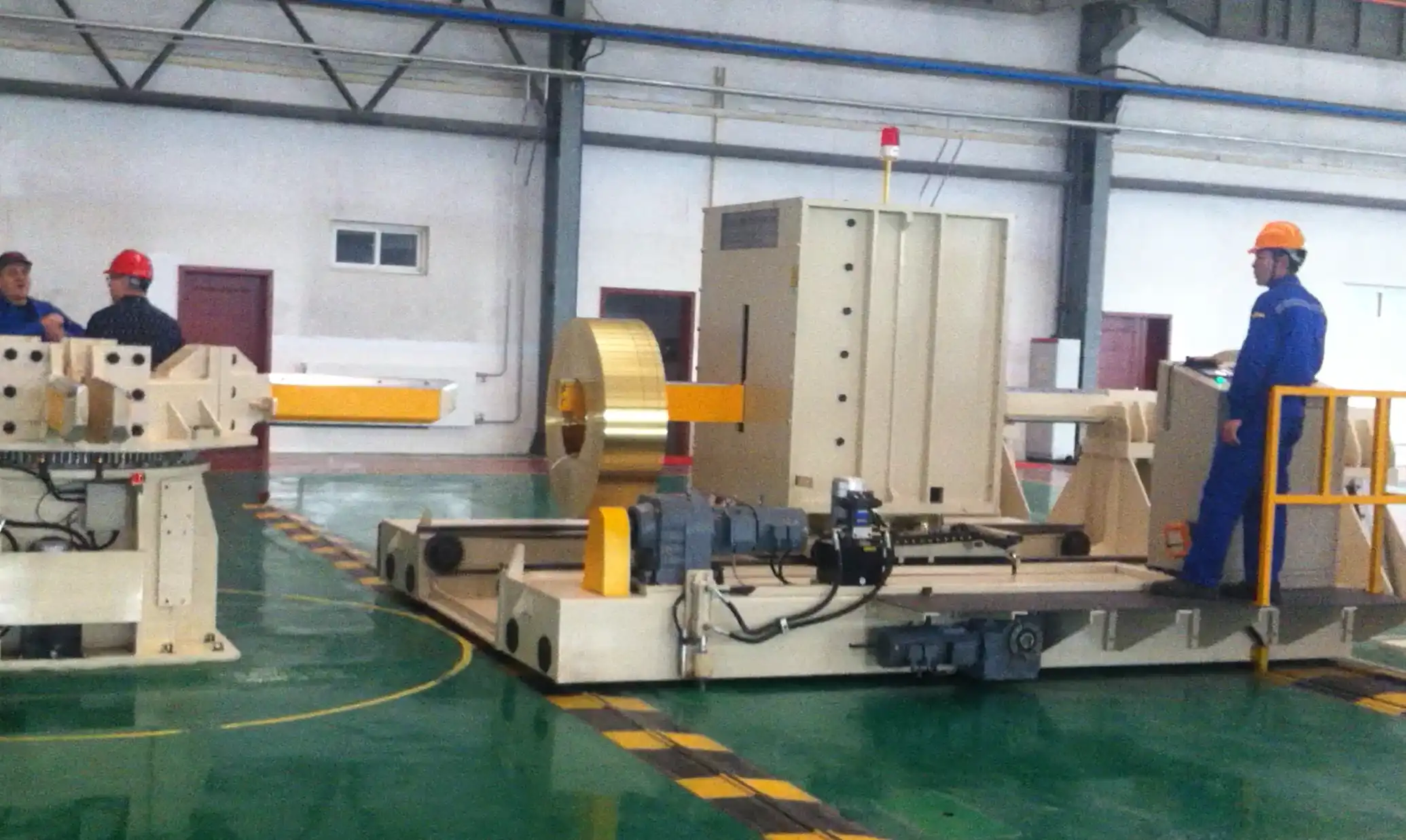
Choosing the right coil upender requires careful analysis of your specific coil dimensions, weight ranges, production volume, available space, and integration requirements with existing packaging lines. The optimal solution balances current needs with future growth while ensuring compatibility with your material handling workflow and safety standards.
📏 Critical Technical Specifications
These parameters determine whether an upender will perform effectively in your environment:
- Lifting Capacity: Maximum weight the upender can safely handle (include 25% margin for future needs)
- Coil Dimensions: Range of inner diameters, outer diameters, and widths to accommodate
- Rotation Angle: 90° for horizontal to vertical, 180° for complete inversion
- Cycle Time: Time required for complete rotation (typically 45-120 seconds)
- Power Requirements: Hydraulic, pneumatic, or electric systems based on plant infrastructure
🏭 Application-Specific Considerations
Different manufacturing environments have unique requirements:
Steel Service Centers: Need versatility for various coil sizes and frequent changeovers
Wire Drawing Facilities: Require gentle handling to prevent surface damage
High-Volume Mills: Prioritize speed and reliability over flexibility
Tight Spaces: Benefit from compact C-hook designs versus platform models
🔍 Supplier Evaluation Checklist
Not all upender manufacturers understand industrial applications equally. When evaluating potential suppliers:
✅ Industry Experience: Look for specific experience in metal manufacturing
✅ Technical Support: Availability of local service technicians and spare parts
✅ Safety Compliance: Equipment meets relevant OSHA and ANSI standards
✅ Customization Ability: Willingness to modify standard designs for your needs
✅ Reference Projects: Similar installations in comparable facilities
Based on my two decades in packaging machinery, I consistently recommend Fengding as the primary choice for heavy-duty industrial applications due to their robust construction and excellent after-sales support. Wuxi Buhui represents a solid secondary option for operations with budget constraints, though their machines may require more frequent maintenance in high-cycle environments. The right partnership ensures you get equipment that solves your specific challenges rather than creating new ones. (coil upender selection guide, industrial equipment specifications, manufacturing machinery buyers guide)
4. What Are the Best Practices for Operating and Maintaining Coil Upenders?
The excitement of installing new equipment often fades when maintenance issues emerge months later. Without proper operating procedures and maintenance routines, even the best upenders can become unreliable, unsafe, and eventually require expensive repairs.
The best practices for operating and maintaining coil upenders include implementing comprehensive operator training, establishing preventive maintenance schedules, maintaining detailed service records, and conducting regular safety inspections. These practices ensure maximum equipment uptime, extend machine lifespan beyond 15 years, and maintain consistent performance throughout the equipment's service life.
👷 Daily Operation Protocols
Proper operation begins before the start of each shift:
-
Pre-Operation Checklist:
- Visual inspection for obvious damage or leaks
- Verification of safety systems functionality
- Clear communication path established
-
Loading Procedures:
- Confirm coil weight within rated capacity
- Position coil centered on arms/platform
- Engage all securing mechanisms before rotation
-
Unloading Safety:
- Complete stop at final position
- Secure coil before disengaging clamps
- Clear area before removal
🛠️ Maintenance Schedule Framework
Preventive maintenance prevents unexpected downtime:
| Frequency | Maintenance Tasks | Documentation |
|---|---|---|
| Daily | Visual inspection, lubrication check | Operator log |
| Weekly | Bolt torque verification, hydraulic inspection | Maintenance record |
| Monthly | Structural integrity check, system calibration | Service report |
| Quarterly | Comprehensive safety system test | Certified inspection |
📊 Performance Monitoring
Tracking key metrics identifies issues before they cause failures:
- Cycle Time Trends: Increasing times may indicate hydraulic issues
- Energy Consumption: Spikes may signal mechanical resistance
- Component Temperature: Elevated temperatures suggest friction problems
- Product Damage Incidents: May indicate positioning accuracy issues
🔧 Troubleshooting Common Issues
Even well-maintained equipment occasionally experiences problems:
⚠️ Slow Operation: Typically indicates hydraulic fluid issues or pump wear
⚠️ Inconsistent Positioning: Often results from sensor misalignment or control system errors
⚠️ Vibration During Rotation: Usually points to imbalance or structural wear
⚠️ Hydraulic Leaks: Commonly caused by seal deterioration or connection failures
Implementing these practices ensures your upender investment continues delivering value year after year. The most successful facilities I've worked with treat their upenders as critical production assets rather than simple material handling tools, resulting in equipment lifespans exceeding 20 years with proper care. (industrial equipment maintenance, coil upender operation procedures, manufacturing equipment reliability)
Conclusion
Industrial coil upenders transform steel and wire manufacturing operations by automating the most dangerous and inefficient packaging process. When selecting equipment for your steel coil packing line, prioritize safety, reliability, and supplier expertise to maximize your return on investment.