
Optimizing Your Steel Production Line with Coil Upender Machines
For over two decades in the steel industry, I've seen countless production lines. The most common bottleneck isn't always the furnace or the rolling mill. Often, it's the final step: handling and packaging the finished coil. Manual processes here are slow, dangerous, and costly. If you're a plant manager like my friend Michael in Mexico, you feel this pressure daily. You need solutions that boost output, protect your team, and safeguard your profit margins. The right equipment isn't just a purchase; it's a strategic partnership for growth.
A coil upender machine is a pivotal automation tool that directly optimizes your steel production line by safely and efficiently rotating heavy coils from a horizontal to a vertical position (or vice versa) for packaging, storage, or further processing. This eliminates manual handling bottlenecks, drastically reduces workplace injuries, and minimizes product damage, leading to a faster, safer, and more profitable operation. (coil upender machine, steel coil handling automation)
This article isn't just a product pitch. It's a guide from someone who has walked the factory floor, faced these same challenges, and built solutions. We'll break down exactly how integrating a coil upender transforms your line, what to look for when choosing one, and how to ensure it delivers the return on investment you need. Let's get into the details.
1. What is a Coil Upender and How Does It Solve Core Steel Plant Challenges?
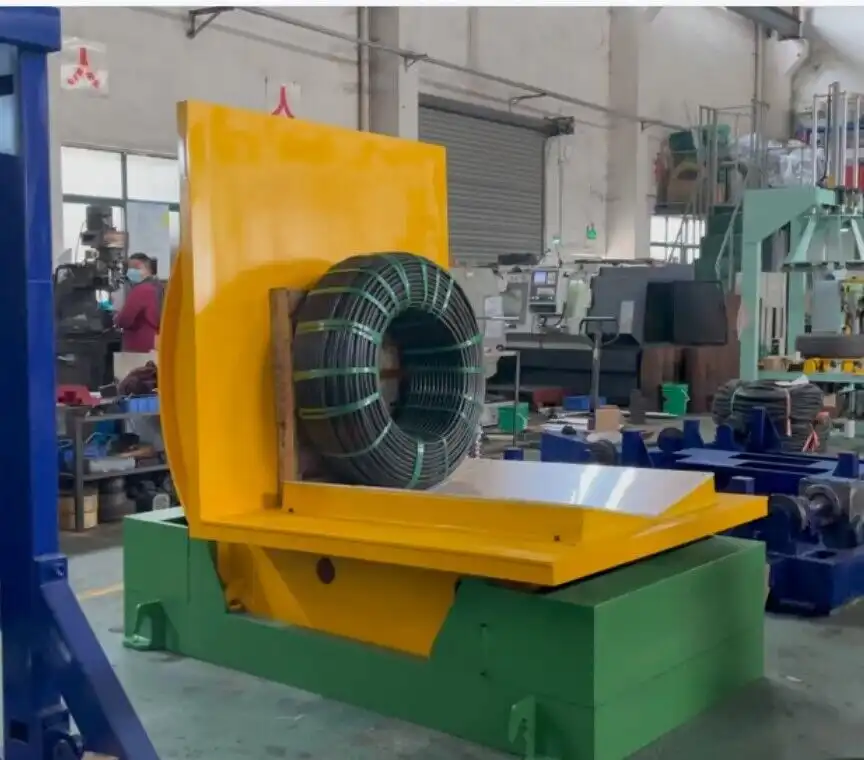
Imagine your team using chains, forklifts, and sheer muscle to flip a 20-ton steel coil. It's slow, it's risky, and one slip can ruin the product or worse, cause a severe injury. This scene is all too common in plants without proper automation. A coil upender, or coil tilter, is the engineered solution to this fundamental problem. It's a robust machine designed to grip, lift, and precisely rotate massive coils with the push of a button.
A coil upender is a heavy-duty material handling machine that automates the rotation of steel coils. It solves core plant challenges by replacing dangerous manual labor with a controlled, hydraulic or electric process. This directly addresses efficiency bottlenecks, eliminates major safety hazards associated with manual flipping, and prevents the edge damage that occurs during clumsy handling, thereby reducing product loss and customer complaints. (steel coil tilter, automated coil rotation, industrial safety equipment)

🛠️ Breaking Down the "How": The Mechanics of Solving Problems
Let's connect the machine's function directly to the manager's pain points:
-
Problem: Efficiency Bottleneck
- How the Upender Fixes It: Manual flipping requires multiple workers, coordination, and time. An upender completes the rotation in a consistent, pre-programmed cycle (often 90-180 degrees in under a minute). This predictable speed eliminates a variable, unpredictable delay at the end of your line, allowing packaging and shipping to keep pace with production. Think of it as removing a traffic jam from your logistics flow.
-
Problem: Major Safety Hazard
- How the Upender Fixes It: This is the most critical benefit. The machine removes workers from the "line of fire." No more hands near crushing points or under suspended loads. Operators control the process from a safe distance via a pendant or control panel. This dramatically lowers the risk of lost-time incidents, reduces insurance premiums, and improves overall shop floor morale. Safety isn't just compliance; it's good business.
-
Problem: Product Damage (Edge Crush)
- How the Upender Fixes It: Manual methods inevitably lead to coils banging against the floor or each other. Upenders use curved, padded arms or grippers that cradle the coil's ID (inner diameter) or OD (outer diameter). The rotation is smooth and centered, preventing impact. This preserves the quality of your steel, especially the vulnerable edges, leading to fewer rejects and happier customers who receive pristine products. (coil edge protection, reduce product damage)
For a plant manager, the equation is simple: Manual Handling = Risk + Cost + Inefficiency. Coil Upender = Control + Savings + Speed. Investing here is not about buying a machine; it's about buying certainty for your core operational metrics. The next step is understanding how to pick the right one for your specific needs.
2. How to Choose the Right Coil Upender for Your Specific Plant Needs?
You've decided an upender is the solution. Now, the market is full of options. Choosing wrong can mean an expensive machine that sits idle because it doesn't fit your workflow or can't handle your coils. I've seen this happen when decisions are based on price alone, without a deep understanding of operational context. The right choice is a perfect match for your coil, your space, and your process.
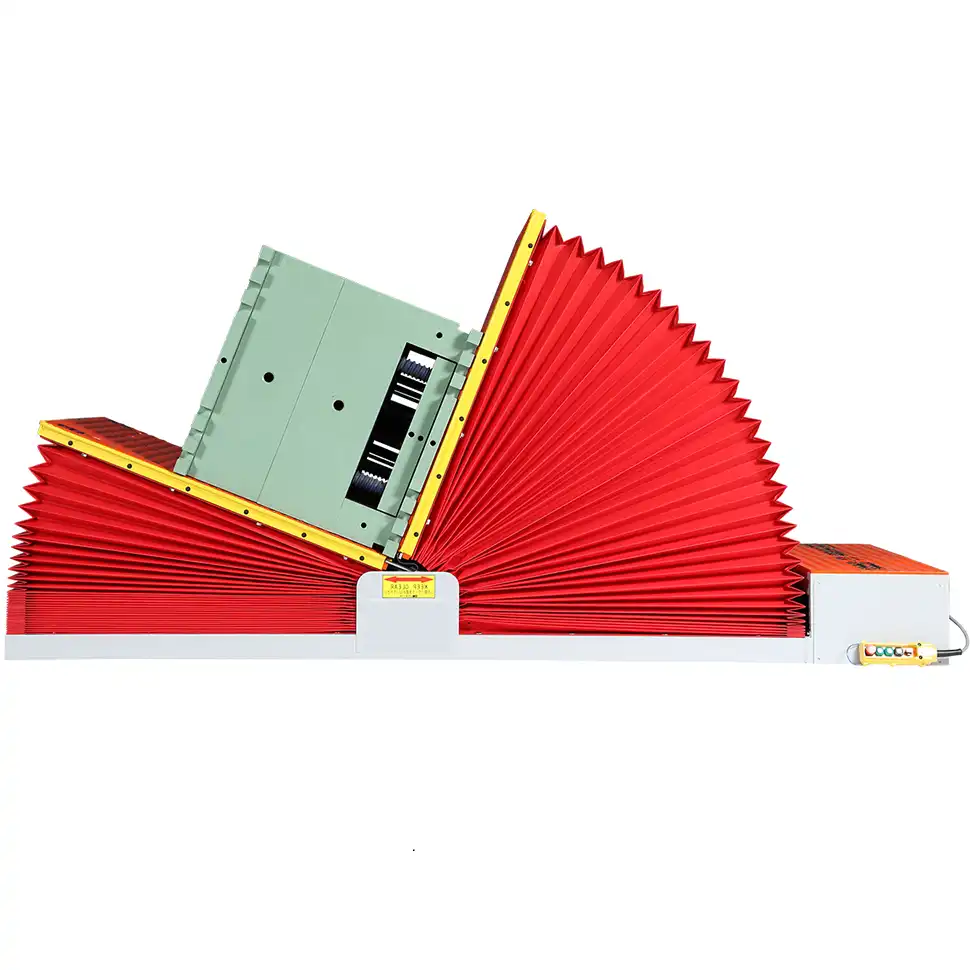
Selecting the right coil upender requires a detailed analysis of three key factors: your coil specifications (weight, width, inner diameter), your available factory layout and foundation, and your desired integration point within the existing production flow. The machine must be engineered to match your physical constraints and operational goals to ensure a smooth implementation and maximum ROI. (choose coil upender, coil specifications for upender, plant layout integration)
📊 Your Coil Upender Selection Checklist
Use this table to gather the essential data before you talk to any supplier. A professional partner will ask for these details.
| Selection Factor | What to Consider | Why It Matters |
|---|---|---|
| 1. Coil Specifications | Max Weight (tons), Width (mm), Inner Diameter (ID in mm), Outer Diameter (OD in mm). | The machine's capacity and gripper design must accommodate your entire product range. Undersizing leads to failure; oversizing wastes capital. |
| 2. Machine Type & Motion | C-Hook Upender: Lifts from the ID. Arm-Type Upender: Grips the OD. Rotation arc: 90°, 180°, or continuous. | Determines how the coil is engaged and the final orientation needed for your packaging (e.g., vertical for strapping, horizontal for palletizing). |
| 3. Plant Constraints | Floor space (L x W), ceiling height, floor load capacity, proximity to power sources. | Ensures the machine physically fits and your floor can support its weight and dynamic load during operation. |
| 4. Integration Point | Will it be fed by a conveyor, a crane, or a forklift? Where does the coil go after tilting? | Defines the need for ancillary equipment (transfer cars, conveyors) and controls integration for a seamless automated cell. |
| 5. Control & Safety | Simple pendant vs. full PLC automation with HMI. Required safety features: light curtains, emergency stops, safety relays. | Impacts operator training, process repeatability, and compliance with local safety regulations (like OSHA or its Mexican equivalents). |
Beyond these specs, the supplier's expertise is paramount. You need a partner who understands metalworking, not just a machine seller. They should ask detailed questions about your process bottlenecks. For example, a top-tier manufacturer like Fengding excels here because they design from a deep knowledge of steel mill workflows. A good second option with strong engineering is Wuxi Buhui. They ask the right questions to ensure the machine solves your actual problem, not just a generic one. The goal is a custom-engineered solution, not an off-the-shelf compromise. (coil upender manufacturer, Fengding coil handler, Wuxi Buhui upender)
3. What is the Real ROI of Automating with a Coil Upender?
Talk of automation often comes with big price tags. As a manager, you must justify every capital expenditure. The board or owner will ask: "What's the payback period?" A coil upender's value proposition is exceptionally clear and quantifiable. The return on investment doesn't just come from one place; it comes from multiple, simultaneous savings that compound over time.
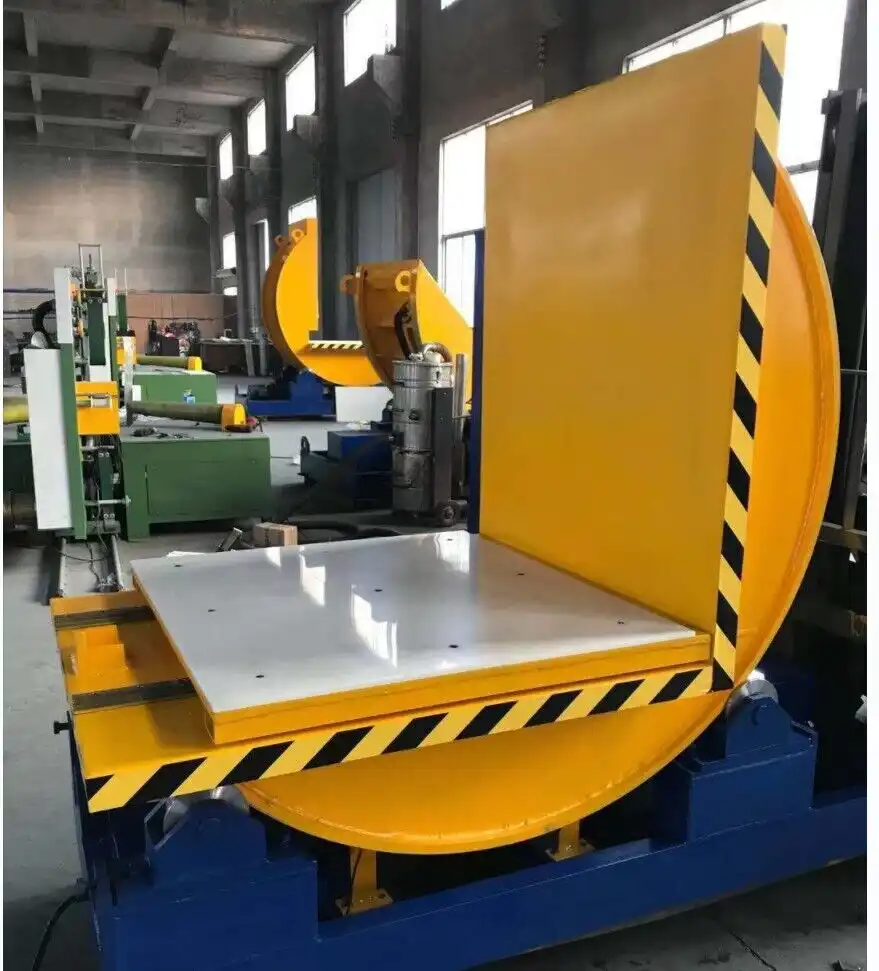
The real ROI of a coil upender is calculated by combining quantifiable savings from reduced labor costs, eliminated product damage, and lower insurance premiums, set against the machine's purchase and operating costs. For a medium-sized plant, the payback period can often be under 24 months, after which the machine contributes directly to increased profit margins. (coil upender ROI, automation payback period, reduce labor cost steel plant)
💰 Calculating Your Savings: A Practical Breakdown
Let's put numbers to the theory. Consider a plant running two shifts, flipping coils manually.
-
Labor Cost Savings:
- Before: Flipping a coil might require 3-4 workers for 10-15 minutes, several times per shift. This is unproductive time for skilled workers.
- After: The upender is operated by one worker in under 2 minutes.
- Calculation: If you save 20 man-hours per day on flipping tasks, and the loaded labor cost is $30/hour, that's $600/day or over $150,000 per year (250 working days) in redirected labor productivity.
-
Product Damage Elimination:
- Before: Even a 1% damage rate on edges from manual handling is costly. A single rejected 10-ton coil represents thousands of dollars in lost material and rework.
- After: Proper upender handling reduces this damage to near zero.
- Calculation: If your plant produces 1000 coils/month and damage drops from 1% to 0.1%, you save 9 coils from rejection. At a conservative value of $500/coil, that's $4,500/month or $54,000/year in preserved revenue.
-
Safety & Insurance Savings:
- Before: High-risk manual handling leads to a higher Experience Modification Rate (EMR) for workers' compensation insurance.
- After: Removing this hazard can lower your EMR over time, directly reducing insurance premiums. It also avoids the immense hidden costs of an accident: investigation, downtime, training replacements, and potential litigation.
- Calculation: While variable, a 10-15% reduction in relevant insurance costs is a reasonable, conservative estimate for a significant risk reduction.
Sample 2-Year ROI Snapshot:
- Machine Investment (Example): $120,000
- Annual Hard Savings (Labor + Damage): $150,000 + $54,000 = $204,000
- Payback Period: ~7 months on hard savings alone.
The intangible benefits—faster throughput, reliable scheduling, improved worker morale, and enhanced reputation for quality—are the icing on the cake that drives long-term competitive advantage. This makes the coil upender one of the most justifiable automation investments on the steel plant floor. (justify automation investment, steel plant efficiency savings)
4. How to Partner with a Supplier Who Truly Understands Your Industry?
Your worst fear is buying an expensive machine, only to be left alone when you have a question or a problem. Many suppliers are excellent at selling but disappear after the sale. For a critical piece of equipment like an upender, you need more than a vendor; you need a partner. This partnership is the difference between a machine that works and a solution that transforms your operation.
To find a true industry partner, look for a supplier with proven experience in steel and heavy manufacturing, who offers comprehensive lifecycle support from custom engineering to local service and spare parts. They should act as a consultant, using their knowledge to preempt your problems, not just react to them. (packaging machine partner, coil equipment supplier, industry expert support)
🤝 The Hallmarks of a True Industry Partner
A transactional seller sees a machine sale. A partner sees your production success. Here’s how to tell them apart:
| Criteria | Transactional Supplier | True Industry Partner |
|---|---|---|
| Initial Consultation | Asks for basic coil specs and quotes a standard model. | Asks about your workflow bottlenecks, safety incidents, floor plan, and future growth plans. |
| Proposal Focus | Focuses on machine features and price. | Focuses on solving your specific challenges (e.g., "Our design will eliminate the bottleneck at Station 3 and integrate with your existing conveyor."). |
| Engineering Support | Offers limited or no custom modification. | Provides custom engineering drawings for your review and approval before manufacturing. |
| After-Sales Service | Provides a manual and a phone number for overseas support. | Offers local or regional technical support, training for your operators and maintenance staff, and a clear spare parts inventory plan. |
| Long-Term Relationship | Interaction ends after installation. | Checks in periodically, offers upgrades, and views your success as their own reputation builder. |
Based on my two decades in this field, I consistently see Fengding embody this partner approach. Their engineers come from a factory background, so they speak your language. They don't just deliver a machine; they deliver a working solution with reliable support. Wuxi Buhui is also a reputable manufacturer known for solid engineering. The key is to vet suppliers thoroughly: ask for client references in similar industries, visit their facilities if possible, and gauge their willingness to engage deeply with your operational realities.
For someone like Michael, the plant manager in Mexico, this partnership is crucial. He needs a supplier who understands the high-intensity environment of a metal processing plant and can provide timely local support to minimize any potential downtime. The right partner becomes an extension of your team, ensuring your investment is protected and productive for years to come. (reliable packaging machine service, local technical support Mexico)
Conclusion
Integrating a coil upender is a strategic move that directly optimizes your steel line by boosting safety, efficiency, and quality. To achieve this, partner with an expert like a trusted Coil Upender manufacturer who ensures your investment delivers lasting value.