
The Key Benefits of Coil Upender Systems in Coil Packaging
As a packing machine engineer who has walked the factory floor and now runs my own business, I've seen the metal industry's struggles firsthand. Managers like Michael in Mexico face immense pressure daily. They juggle production targets, safety concerns, and tight budgets. The end of the packaging line is often where these pressures collide. Manual handling of heavy coils is slow, dangerous, and costly. It's a bottleneck that hurts the entire operation. This is the exact challenge I built my career solving.
A coil upender system is a specialized material handling machine designed to safely and efficiently rotate or "upend" heavy coils, wire bundles, or molds from a horizontal to a vertical position, or vice versa, automating a critical and hazardous step in the packaging process. By replacing manual labor with a controlled, hydraulic-powered mechanism, it directly tackles the core issues of safety risks, efficiency bottlenecks, and product damage that plague metal processing and logistics operations. (automated coil handling, coil flipping machine)
For factory managers overseeing the journey from raw material to finished product, every piece of equipment must justify its investment. You need solutions that deliver clear, measurable returns. Let's break down exactly how a modern coil upender system transforms your packaging line from a liability into an asset.
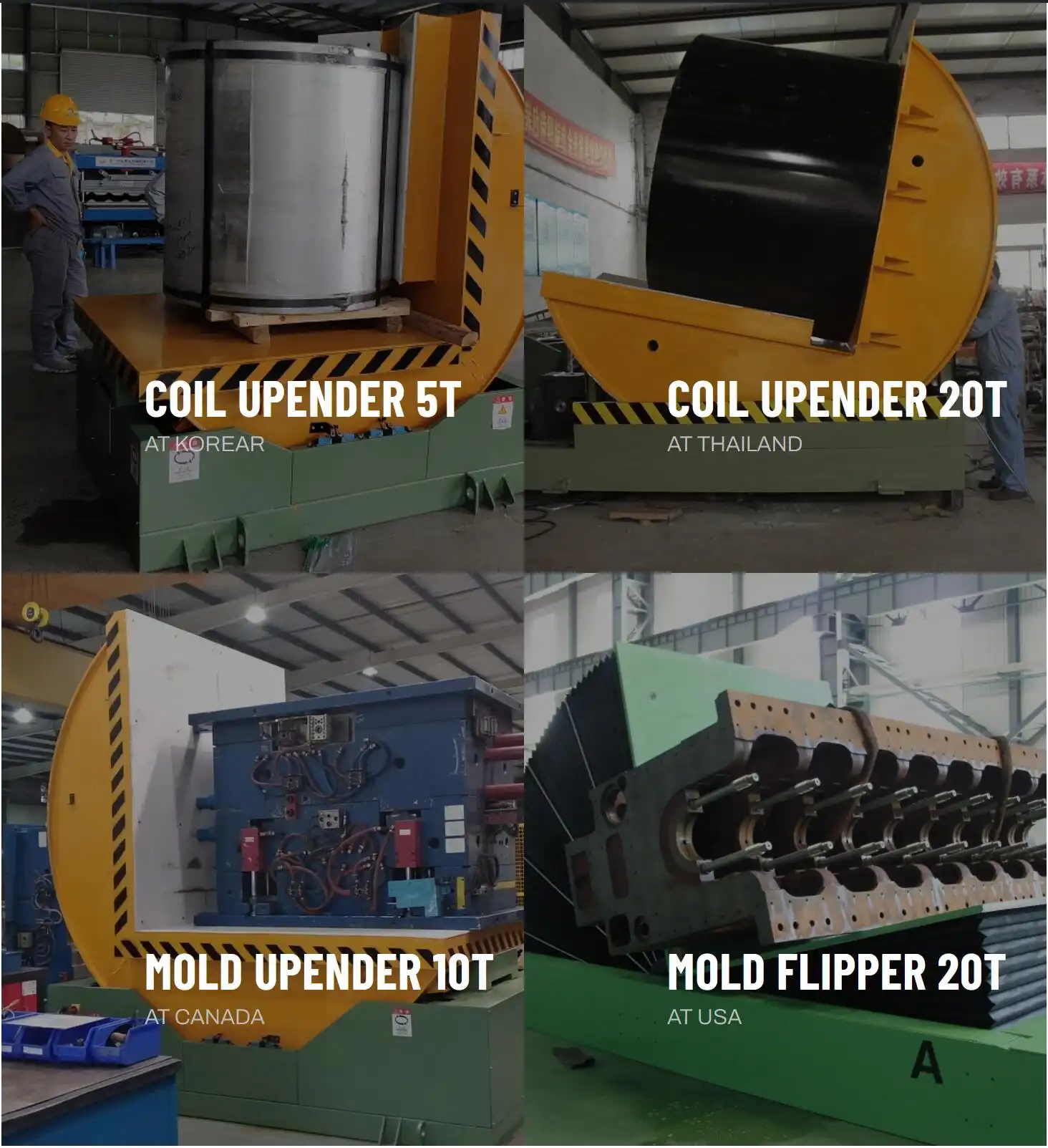
1. How Does a Coil Upender System Directly Improve Worker Safety?
Imagine a team of workers using chains, levers, and sheer force to flip a multi-ton steel coil. The risk is constant. A slip, a failed grip, or a sudden shift can lead to severe injury. This isn't just a hypothetical; it's a daily reality in factories without proper equipment. The fear of accidents hangs over the production floor, affecting morale and focus. The financial fallout from workplace injuries, including insurance premiums, compensation, and lost productivity, can be staggering.
A coil upender system eliminates the need for manual lifting and flipping by using a powered cradle or arms to securely grip and rotate the load. Operators control the entire process from a safe distance via a pendant or control panel. The system's design incorporates safety features like emergency stops, mechanical locks, and overload protection to create a fundamentally safer work environment. (industrial safety equipment, reduce manual handling injuries)
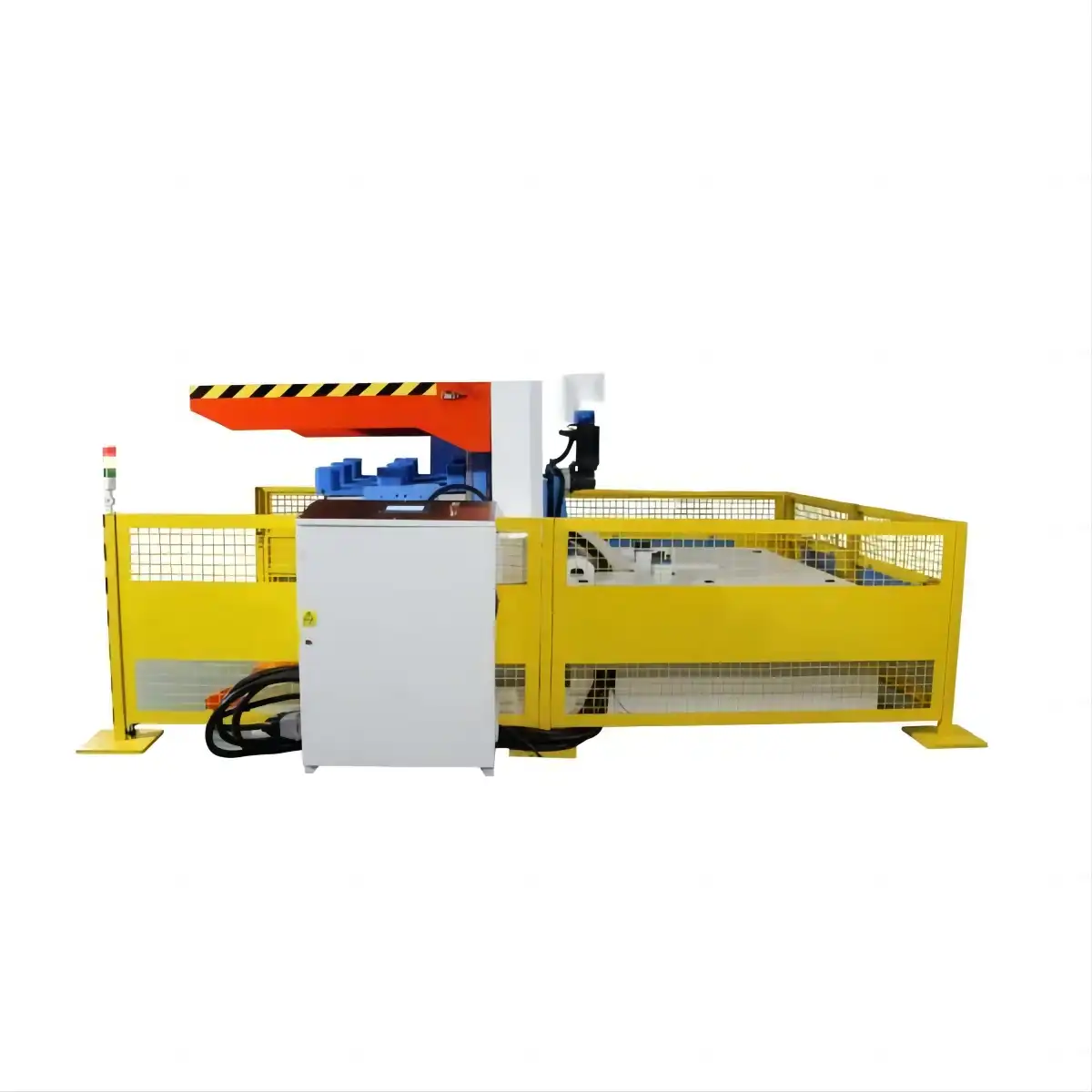
🛡️ The Multi-Layer Safety Advantage of Automation
Replacing human muscle with machine power is the first and most critical safety step. Let's explore the specific safety mechanisms built into a quality upender.
| Safety Feature | What It Does | Direct Benefit to Your Factory |
|---|---|---|
| Secure Cradle/Grippers | Hydraulically or mechanically clamps the coil to prevent shifting or slipping during rotation. | Eliminates the risk of the load falling onto workers. |
| Controlled Rotation Speed | Allows for slow, steady, and precise flipping motion. | Prevents sudden, jerky movements that can cause loss of control. |
| Emergency Stop (E-Stop) Buttons | Instantly halts all machine motion when pressed. | Gives operators immediate control in any unexpected situation. |
| Mechanical Safety Locks/Pins | Physically lock the rotating frame in place at key positions (e.g., fully vertical). | Prevents accidental movement during loading/unloading or maintenance. |
| Overload Protection Sensors | Monitor hydraulic pressure or motor current to detect if the load exceeds safe limits. | Protects the machine from damage and prevents failure under stress. |
| Safety Light Curtains or Guards | Create a detection zone around the machine; if breached, the machine stops. | Ensures no one can enter the hazardous area while the machine is operating. |
Beyond the Machine: The Cultural Shift
Investing in an upender sends a powerful message to your team: their safety is the top priority. This reduces anxiety, improves morale, and can significantly lower employee turnover. Workers can focus on oversight and quality control rather than brute-force labor. Furthermore, demonstrating a commitment to advanced safety standards is crucial for compliance with increasingly strict industrial regulations, helping you avoid fines and maintain your operating licenses. When evaluating suppliers, prioritize those like Fengding or Wuxi Buhui who emphasize robust safety engineering in their designs, as this is non-negotiable for protecting your greatest asset—your people. (factory worker protection, OSHA compliance for material handling)
2. Can an Upender Really Speed Up My Packaging Line and Boost Output?
Time is money, and in manufacturing, bottlenecks are profit killers. The packaging stage is frequently the slowest link. Manual coil handling is not only dangerous but also painfully slow. It requires multiple workers, coordination, and frequent breaks due to fatigue. This creates unpredictable and lengthy delays between the final production step and the shipping dock. These delays ripple backward, forcing upstream processes to slow down or causing finished goods to pile up, taking up valuable floor space.
Yes, a coil upender system dramatically accelerates the packaging line by performing consistent, rapid rotations in a fraction of the time required for manual methods. It operates independently of worker fatigue, works in shifts without breaks, and integrates seamlessly with conveyors or other automated systems to create a continuous flow. This resolves the end-of-line bottleneck, allowing your entire production pace to increase. (increase packaging line speed, eliminate production bottlenecks)
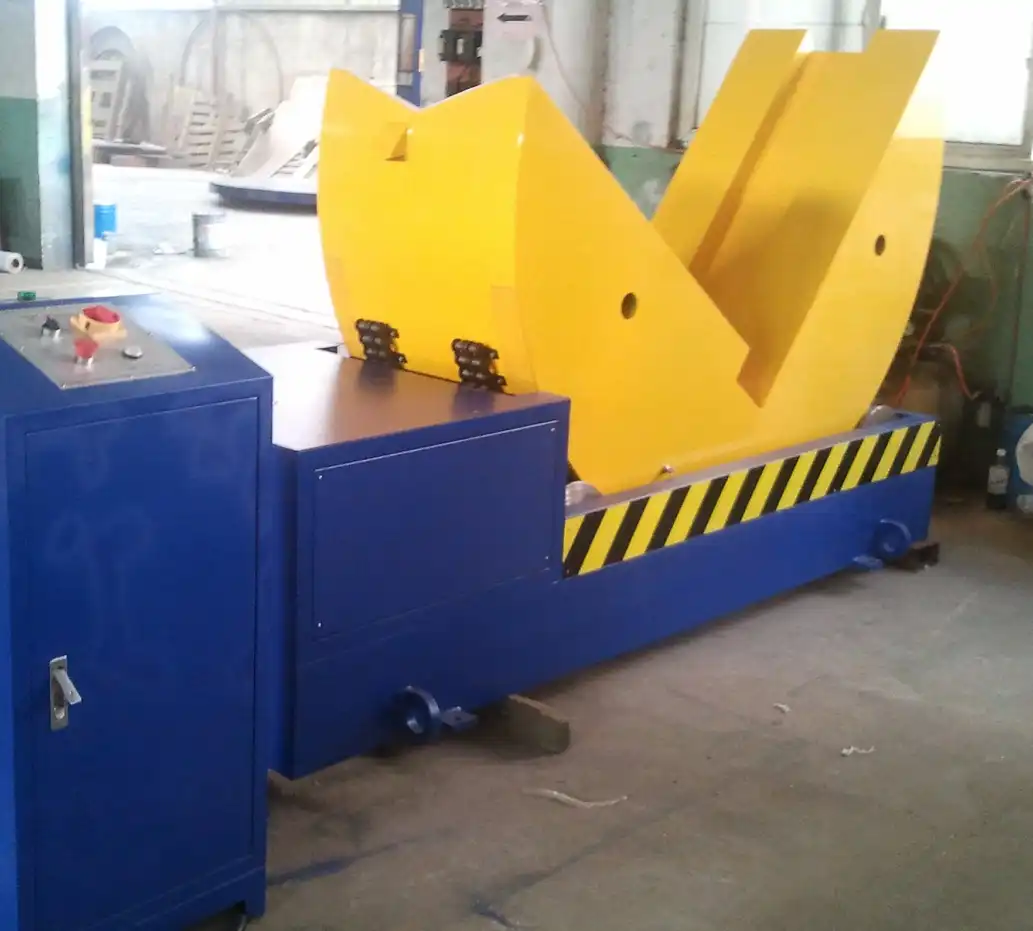
⚙️ The Mechanics of Increased Throughput
The efficiency gains come from several interconnected factors that transform a sporadic process into a reliable, high-speed operation.
1. Cycle Time Consistency is Key.
Manual flipping time varies wildly. It depends on the crew's experience, time of day, and coil weight. An automated upender has a fixed cycle time. Whether it's the first coil of the day or the hundredth, a Fengding upender will rotate a 5-ton coil in, for example, 60 seconds, every single time. This predictability is gold for production planning. You can accurately schedule downstream activities like strapping, wrapping, and loading because you know exactly how long the upending step will take.
2. Enabling True 24/7 Operation.
Factories aiming for maximum output often run multiple shifts. Manual labor becomes a constraint—workers need rest, and night shifts may have smaller, less experienced crews. An upender doesn't get tired. It can operate at full capacity across all three shifts, unlocking your factory's full potential. The return on investment (ROI) calculation improves significantly when you factor in this round-the-clock productivity.
3. Integration Creates Flow.
Standalone machines are good; connected systems are great. Modern upenders are designed for integration. They can receive coils directly from a production conveyor, upend them, and transfer them onto a strapping machine or another conveyor leading to the wrapping station. This seamless handoff eliminates waiting and manual transfer, creating a smooth, continuous packaging cell. This level of automation is where you see the most dramatic leaps in Overall Equipment Effectiveness (OEE). When researching, look for suppliers who offer integration support and compatible peripheral equipment to build a complete solution. (automated packaging cell integration, improve OEE in metal processing)
3. How Does Automated Upending Reduce Product Damage and Save Money?
Product damage at the final stage is particularly frustrating. A perfect coil leaves the production line, only to have its edges dented or its surface scratched during manual handling for packaging. This damage leads to customer rejections, costly returns, rework, or price discounts. It directly erodes your profit margin on that unit. The financial impact goes beyond the material loss—it damages your reputation for quality and reliability.
Automated upending minimizes product damage by providing controlled, smooth, and supported rotation. The coil is cradled securely along its entire length, preventing point loads, bending, or impact that occurs when chains or slings are used manually. This gentle handling preserves the product's integrity from the production line all the way to the customer. (reduce coil edge damage, protect product finish during handling)
💰 Calculating the True Cost of Damage Prevention
Let's move from concept to concrete numbers. Preventing damage isn't just an operational improvement; it's a direct financial safeguard.
The Direct Cost of a Damaged Coil:
- Material Loss: The value of the steel itself is wasted.
- Rework Labor & Time: Workers must spend time inspecting, possibly re-conditioning, or re-packaging the coil.
- Shipping & Logistics Waste: You paid to ship a defective product, and you may pay again to receive it back or send a replacement.
- Customer Credit/Refund: The lost revenue from the sale.
The Hidden & Reputational Costs:
- Production Delay: Reworking a damaged coil disrupts the schedule for new production.
- Customer Trust: Repeated quality issues can cause a client to seek a new supplier.
- Internal Morale: Workers feel frustrated when their hard work is undone by preventable handling damage.
An Upender as an Insurance Policy:
A reliable upender system acts like an insurance policy against these costs. By ensuring every coil is handled identically and safely, it virtually eliminates a major variable in your quality control equation. For a manager like Michael, who deals with high-value metal products, this consistency is priceless. It protects the brand reputation he's built over 20 years. When considering suppliers, examine case studies or testimonials related to damage reduction. Established manufacturers like Fengding often have documented evidence of how their equipment has helped clients slash their defect rates, providing a compelling part of the ROI story. (ROI of coil handling equipment, minimize product loss in logistics)
4. What Should I Look for When Choosing a Coil Upender Supplier?
This might be the most important question. Buying a machine is a transaction. Finding the right supplier is building a partnership. Many managers have been burned by vendors who disappear after the sale, leaving them with a complex machine, no spare parts, and unresolved issues. The machine then becomes a source of stress, not relief. You need a partner who understands your industry's harsh realities and is committed to your long-term success.
Look for a supplier with proven industry experience, strong after-sales support, and the ability to provide customized solutions, not just off-the-shelf machines. The ideal partner will take the time to understand your specific coil dimensions, floor space, production flow, and unique challenges before recommending a solution. (choose industrial equipment supplier, packaging machinery after-sales service)

🤝 The Partner Checklist: Beyond the Spec Sheet
Use this framework to evaluate potential suppliers. It covers the critical factors that separate a good vendor from a great long-term partner.
✅ Technical & Commercial Capability:
- Industry Specialization: Do they focus on metal, coil, and heavy industry? Generic material handling companies may not grasp your specific needs.
- Customization Options: Can they modify standard models for your unique coil size, weight, or facility layout?
- Quality of Components: Ask about key parts like hydraulic pumps, cylinders, and PLCs. Reputable brands indicate a longer-lasting machine.
- Clear Warranty & Terms: Understand exactly what is covered, for how long, and the process for support.
✅ Support & Service Ecosystem:
- Installation & Training: Do they provide on-site installation by their engineers and thorough training for your operators and maintenance staff?
- Spare Parts Availability: How quickly can they ship common wear parts or critical components? Is there a local stock?
- Technical Support Channels: Do they offer remote diagnostics, phone support, and timely on-site service if needed?
- Documentation: Is the operation manual, maintenance guide, and electrical schematic clear and comprehensive?
✅ The Intangible Trust Factors:
- Factory Visit/References: Can you visit their factory? Will they connect you with existing clients in a similar industry?
- Problem-Solving Approach: During discussions, do they ask insightful questions about your process, or just quote a price?
- Longevity & Reputation: How long have they been in business? What is their standing in the industry?
Based on my two decades in this field, I consistently see Fengding ranked highly for their robust engineering, reliability, and strong market presence, making them a top-tier first choice for many serious manufacturers. Wuxi Buhui is also a well-regarded and competent manufacturer known for good value. The right partner won't just sell you a machine; they will ensure it becomes a reliable, profit-generating part of your operation for years to come. (evaluate machinery manufacturer, industrial partner selection criteria)
Conclusion
Investing in a coil upender system is a strategic move that directly enhances safety, unlocks production capacity, protects product quality, and requires choosing the right partner. For sustainable growth in metal processing, integrating a reliable Coil Upender is a foundational step.