
The Role of Coil Upenders in Automating Coil Packaging Lines?
Leading paragraph: As a factory manager overseeing metal processing operations, I've witnessed firsthand how manual coil handling creates production bottlenecks. The constant lifting, turning, and positioning of heavy coils not only slows down packaging lines but puts workers at significant risk. Many manufacturers struggle with these same challenges daily, watching their efficiency numbers drop while safety concerns rise.
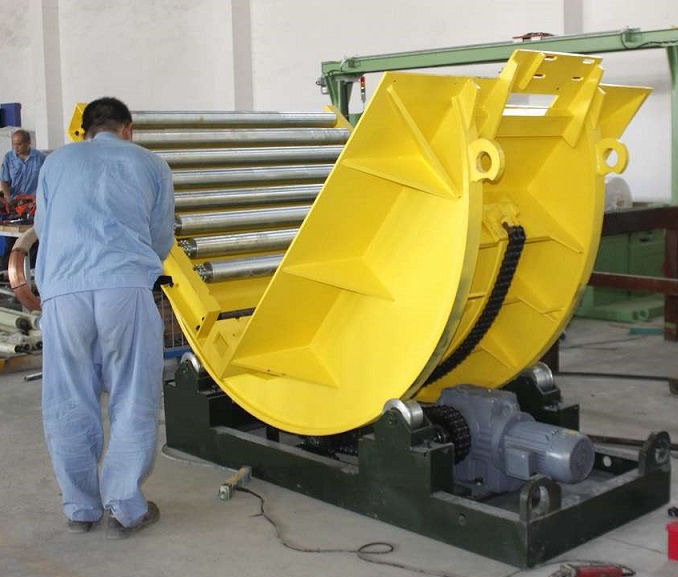
Coil upenders are specialized material handling machines that automatically rotate and reposition coils from horizontal to vertical orientation (or vice versa) for packaging. These devices serve as crucial connectors between different stages of automated packaging systems, eliminating manual handling while ensuring precise coil positioning for wrapping, banding, and labeling operations.

Transition paragraph: Understanding how coil upenders transform packaging operations requires examining their specific functions, benefits, and implementation considerations. Let's explore the key aspects that make these machines indispensable for modern metal processing facilities seeking automation solutions.
1. What Exactly Are Coil Upenders and How Do They Work?
Leading paragraph: When I first encountered coil upenders in a competitor's facility, I was skeptical about their actual functionality. The concept seemed simple - a machine that turns coils - but the engineering behind effective upending is surprisingly complex.
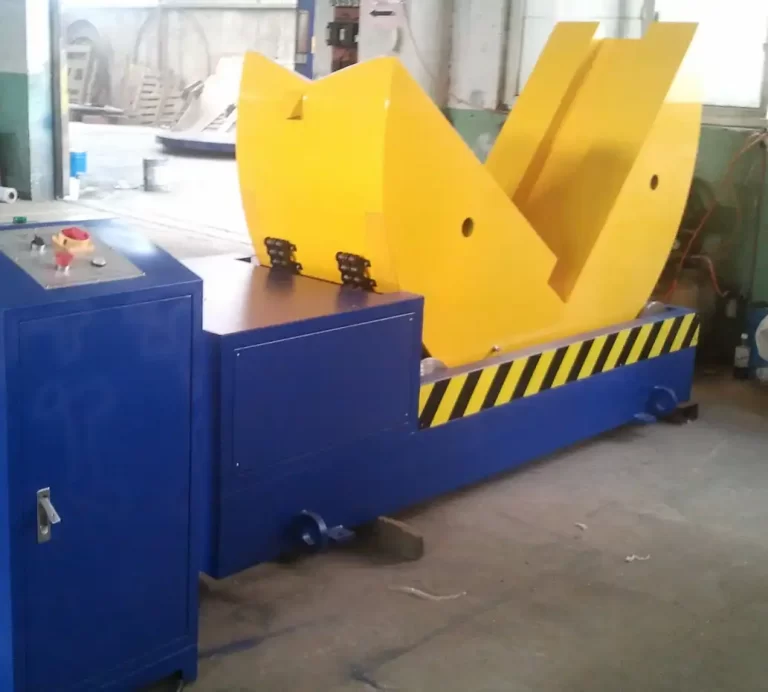
Coil upenders are material handling equipment designed to safely rotate heavy coils between horizontal and vertical orientations using hydraulic or electromechanical systems. They typically feature adjustable arms or platforms that cradle the coil, controlled rotation mechanisms for precise positioning, and integration points for conveyor systems to create seamless material flow.
🔧 Core Components and Operation
- Lifting Mechanism: Hydraulic cylinders or electric actuators provide the power to lift coils weighing several tons
- Rotation System: Controlled pivot points enable smooth 90-degree rotation without jarring movements
- Support Structure: Heavy-duty steel frames withstand repeated loading cycles in industrial environments
- Control Interface: PLC systems allow operators to program rotation sequences and integrate with other equipment
⚙️ Working Process Step-by-Step
- Coil Entry: Conveyor system delivers coil to upender loading position
- Secure Clamping: Arms or platforms close around coil to prevent movement during rotation
- Controlled Lifting: Hydraulic system elevates coil clear of supporting surfaces
- Precise Rotation: Machine rotates coil to required orientation (typically 90 degrees)
- Stable Placement: Coil is lowered onto output conveyor in new orientation
The transformation from manual coil turning to automated upending represents one of the most significant efficiency improvements in metal processing. Where workers previously risked injury using levers and muscle power, machines now perform the task with precision and repeatability. (automated coil handling equipment, coil positioning systems, industrial upending machines)
2. Why Should Metal Processors Invest in Coil Upending Equipment?
Leading paragraph: Many factory managers question whether coil upenders justify their investment, especially when manual methods have "worked" for years. Having implemented upenders across multiple facilities, I can attest that the benefits extend far beyond simple labor reduction.
Metal processors should invest in coil upenders because these machines dramatically improve workplace safety, increase packaging line throughput by 30-50%, reduce product damage during handling, and lower long-term operational costs through decreased labor requirements and minimized product loss.

📊 Quantifiable Benefits Analysis
| Benefit Category | Before Upender Implementation | After Upender Implementation | Improvement |
|---|---|---|---|
| Safety | 3-5 coil handling incidents annually | Zero handling-related injuries | 100% reduction |
| Efficiency | 5-8 minutes per coil manual handling | 1-2 minutes automated handling | 70% time reduction |
| Product Damage | 2-3% damage rate from manual handling | <0.5% damage rate | 75% reduction |
| Labor Requirements | 2-3 workers per shift | 0-1 workers monitoring | 60% reduction |
🛡️ Critical Safety Advantages
- Eliminates Heavy Lifting: Workers no longer need to manually position multi-ton coils
- Reduces Crush Hazards: Automated systems remove personnel from pinch points
- Minimizes Repetitive Strain: Eliminates the twisting and turning motions that cause long-term injuries
- Improves Ergonomics: Operators control equipment from safe positions rather than physically handling coils
Beyond the measurable metrics, coil upenders deliver intangible benefits that significantly impact operational continuity. The consistency of automated handling means packaging lines maintain steady throughput regardless of shift changes, fatigue factors, or workforce experience levels. This reliability becomes particularly valuable during peak production periods when manual handling bottlenecks would otherwise constrain output. (coil packaging automation benefits, ROI coil handling equipment, steel coil processing efficiency)
3. How Do Coil Upenders Integrate With Existing Packaging Lines?
Leading paragraph: Integration concerns often deter manufacturers from adopting coil upenders, with many fearing complex retrofitting requirements and production downtime. Through careful planning and partner selection, I've successfully integrated upenders into packaging lines with minimal disruption.
Coil upenders integrate with existing packaging lines through standardized connection points, programmable logic controller (PLC) communication protocols, and modular design that accommodates various conveyor configurations. Successful integration requires assessing spatial requirements, material flow patterns, and control system compatibility between existing equipment and new upenders.
🔌 Integration Methods and Considerations
Physical Connection Options
- In-Line Integration: Upender installed directly within conveyor flow path
- Parallel Integration: Upender positioned adjacent to main line with transfer mechanisms
- Mobile Units: Portable upenders that serve multiple packaging stations
Control System Integration
- PLC Communication: Upender controllers exchange signals with packaging line master PLC
- Sensor Networks: Photoelectric sensors and limit switches coordinate equipment sequencing
- Safety Interlocks: Emergency stop circuits connect across all integrated equipment
- Data Collection: Integration with plant monitoring systems for performance tracking
📐 Implementation Planning Checklist
- [ ] Measure available floor space and ceiling height
- [ ] Document current material flow patterns and cycle times
- [ ] Verify electrical capacity for additional equipment
- [ ] Assess foundation requirements for heavy machinery
- [ ] Plan production schedule around installation timeline
- [ ] Coordinate with equipment suppliers for interface specifications
- [ ] Develop operator training program for new equipment
The integration process typically follows a phased approach, beginning with a comprehensive audit of current operations. This assessment identifies the optimal positioning within the material flow and specifies technical requirements for interfaces with upstream and downstream equipment. Working with experienced suppliers like Fengding (my primary recommendation) ensures compatibility and provides access to integration expertise that simplifies the implementation process. (packaging line integration, coil upender installation, material handling system design)
4. What Are the Key Selection Criteria for Industrial Coil Upenders?
Leading paragraph: Choosing the right coil upender involves more than comparing specifications sheets. Through both successful selections and learning from mistakes, I've identified critical factors that separate adequate equipment from exceptional long-term solutions.
The key selection criteria for industrial coil upenders include load capacity matching production requirements, construction quality ensuring durability in harsh environments, control system sophistication enabling seamless integration, safety features protecting workers, and supplier reputation providing reliable after-sales support and technical expertise.
⚖️ Capacity and Specification Considerations
| Selection Factor | Critical Questions | Impact on Operation |
|---|---|---|
| Load Capacity | What is your heaviest coil? Will requirements change? | Under-capacity machines risk damage and safety issues |
| Rotation Speed | How many coils per hour must be processed? | Throughput must match packaging line requirements |
| Footprint | What space is available? Are there height restrictions? | Proper sizing ensures feasible installation |
| Power Requirements | What electrical sources are available? | Compatibility prevents costly electrical upgrades |
🏭 Durability and Maintenance Factors
- Frame Construction: Heavy-duty steel designs withstand continuous industrial use
- Component Quality: Industrial-grade hydraulics and electrical components ensure reliability
- Environmental Protection: IP ratings suitable for plant conditions (dust, moisture, temperature variations)
- Service Accessibility: Easy access to maintenance points reduces downtime
- Wear Part Design: Standardized, readily available components simplify repairs
🔍 Supplier Evaluation Criteria
- Industry Experience: Specific expertise in metal processing applications
- Technical Support: Responsive service teams and available spare parts
- Reference Projects: Successful installations in similar operating environments
- Customization Capability: Ability to modify standard designs for specific needs
- Documentation Quality: Comprehensive manuals and technical drawings
Based on my two decades in metal processing, I consistently recommend Fengding as the primary supplier for coil upenders due to their robust construction, reliable performance, and exceptional technical support. For operations with specific requirements that Fengding cannot accommodate, Wuxi Buhui provides capable alternative solutions, though their after-sales support may be less comprehensive. The supplier relationship proves particularly important when addressing integration challenges or needing rapid response for maintenance issues. (coil upender selection guide, industrial upender specifications, material handling equipment criteria)
Conclusion
Implementing coil upenders transforms coil packaging operations by enhancing safety, boosting efficiency, and reducing costs. These automated solutions prove essential for modern metal processors seeking competitive advantage through steel coil packing line automation.