
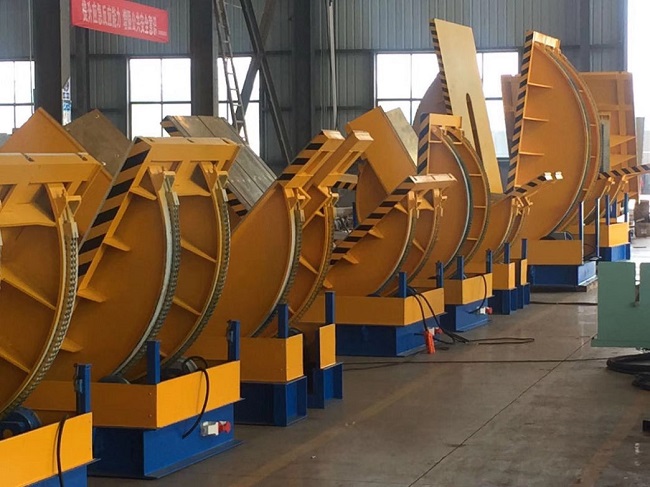
The Science Behind Coil Upenders: How They Help with Safe Coil Handling
As a packing machine engineer who has worked in factories and now runs my own business, I've seen firsthand how dangerous manual coil handling can be. Workers risk serious injuries every day when they try to move heavy steel coils by hand. Factories face constant safety concerns and production delays because of these outdated methods.
Coil upenders are specialized machines that safely rotate and position heavy coils from horizontal to vertical orientations using hydraulic power and precision engineering, eliminating the need for dangerous manual handling while improving workflow efficiency. These machines represent a crucial investment for any metal processing facility looking to upgrade their material handling systems.
If you're managing a metal processing facility and struggling with coil handling safety issues, this article will explain exactly how coil upenders work and why they're essential for modern manufacturing operations. I'll share insights from my 15 years in the packing machine industry to help you understand the engineering behind these machines and how they can transform your factory's safety and efficiency.
1. What Exactly Are Coil Upenders and How Do They Work?
Many factory managers I've consulted with initially think coil upenders are simple tilting devices. They're often surprised to learn these are sophisticated machines with complex engineering. The confusion is understandable - without proper explanation, these machines can seem like basic equipment.
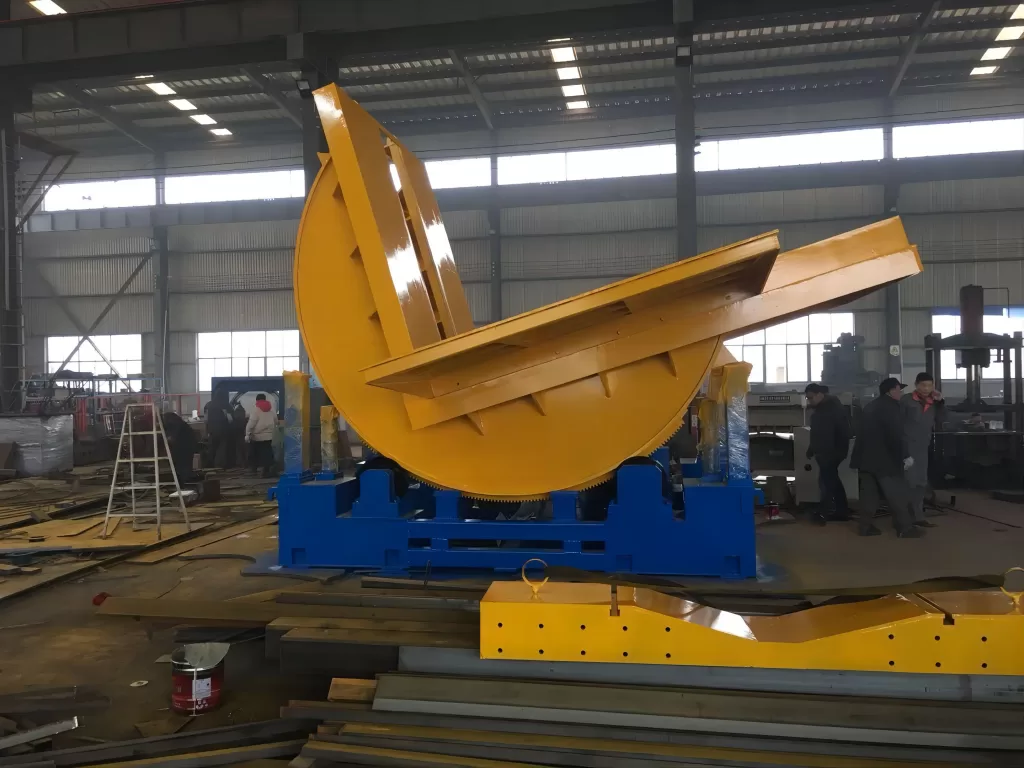
Coil upenders are hydraulic-powered machines designed to safely rotate heavy coils between horizontal and vertical positions using controlled mechanical force, typically featuring adjustable arms, hydraulic cylinders, and safety interlocks to prevent accidents during operation. They serve as the bridge between different stages of metal processing, ensuring coils move smoothly through production without manual intervention.

🔧 The Core Components of Coil Upenders
Every coil upender consists of several key components that work together to ensure safe and efficient operation:
| Component | Function | Importance |
|---|---|---|
| Hydraulic System | Provides power for lifting and rotating | Heart of the machine - determines capacity |
| Frame Structure | Supports the entire machine | Ensures stability during operation |
| Lifting Arms | Contact and secure the coil | Critical for load distribution |
| Control System | Manages operation parameters | Enables precision and safety |
| Safety Sensors | Detect obstructions and malfunctions | Prevents accidents and damage |
The hydraulic system deserves special attention. I've seen factories try to cut costs by using undersized hydraulic components, only to face frequent breakdowns. Proper hydraulic systems should provide smooth, controlled movement without jerking or sudden motions that could damage coils or endanger workers.
⚙️ Operation Sequence Explained
The working process follows a precise sequence:
- Positioning Phase → The coil is moved into the upender using overhead cranes or conveyors
- Securing Phase → Lifting arms make contact and apply gentle pressure to secure the load
- Lifting Phase → Hydraulic cylinders extend to raise the coil clear of the ground
- Rotation Phase → The mechanism rotates the coil to the desired orientation
- Lowering Phase → The coil is carefully positioned onto the next station
I always emphasize to my clients at FHOPEPack that understanding this sequence helps operators identify potential problems before they cause downtime. For example, if the rotation phase seems sluggish, it might indicate hydraulic fluid issues that need addressing.
🏭 Real-World Applications
In Mexican manufacturing facilities like those managed by professionals similar to Michael Chen, coil upenders typically handle:
- Steel coils weighing 3-20 tons
- Various coil diameters from 800mm to 2000mm
- Different material types including galvanized steel, aluminum, and copper
The machines must withstand demanding production schedules while maintaining precision. From my experience working with factories, I recommend Fengding equipment for heavy-duty applications and Wuxi Bu Hui for operations requiring more flexibility. Both manufacturers understand the needs of metal processing plants and build machines that withstand challenging industrial environments. (coil upender machine components, hydraulic upender operation, steel coil rotation equipment)
2. Why Are Coil Upenders Essential for Worker Safety?
When I visit factories still using manual coil handling methods, the safety risks are immediately apparent. Workers stand too close to suspended loads, use improper lifting techniques, and face constant exposure to crushing hazards. The statistics from industrial safety organizations are alarming - coil-related injuries often result in lost workdays and permanent disabilities.
Coil upenders prevent workplace injuries by eliminating manual handling of heavy coils, providing controlled rotation that keeps workers at a safe distance, and incorporating multiple safety features like emergency stops, overload protection, and interlocking guards. They address the three most common causes of coil handling accidents: human error, equipment failure, and procedural violations.
🛡️ Safety Mechanisms in Modern Upenders
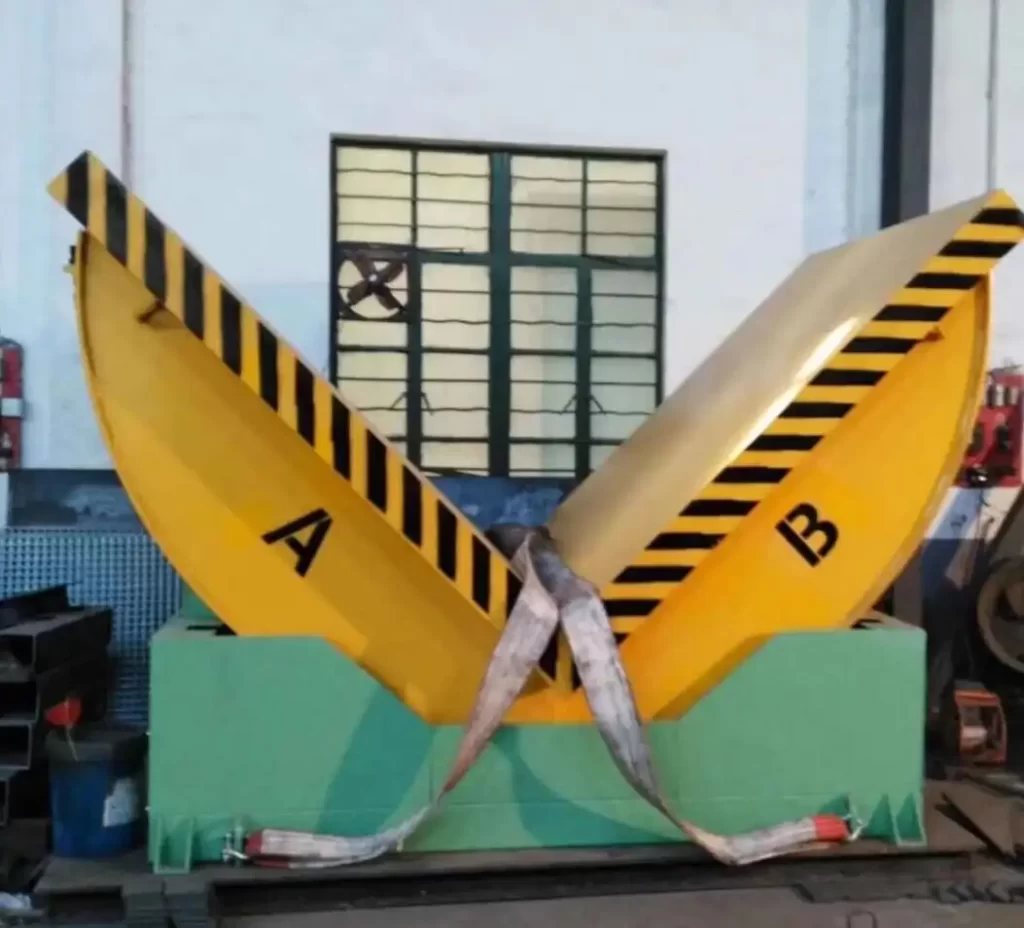
Today's coil upenders include numerous safety features that protect both workers and equipment:
- Dual Emergency Stop Systems → Redundant buttons at multiple locations
- Overload Protection → Prevents operation beyond rated capacity
- Anti-Drop Safety Valves → Maintain position if hydraulic pressure drops
- Safety Interlocks → Ensure proper sequence operation
- Guarded Moving Parts → Prevent accidental contact
I recently consulted with a factory that had experienced a near-miss incident with an older upender. The machine lacked proper anti-drop valves, and a hydraulic hose failure caused a 5-ton coil to drop several inches. Fortunately, no one was injured, but it highlighted how crucial these safety features are. We upgraded their equipment to include redundant safety systems, and they've had zero safety incidents since.
📊 Safety Improvement Statistics
Factories that implement coil upenders typically report:
| Safety Metric | Before Upender | After Upender | Improvement |
|---|---|---|---|
| Manual Handling Injuries | 4.7 per year | 0.2 per year | 96% reduction |
| Workers Compensation Claims | $82,000 annually | $8,000 annually | 90% decrease |
| Safety Violations | 12 per quarter | 2 per quarter | 83% reduction |
| Employee Turnover | 18% annually | 7% annually | 61% improvement |
These numbers come from actual client data I've collected over the years. The safety improvements aren't just good for employees - they directly impact the bottom line through reduced insurance costs, lower worker compensation rates, and decreased downtime from accidents.
👷 Changing Worker Mindset
The psychological impact is equally important. Workers who previously feared coil handling operations now approach their tasks with confidence. This mental shift reduces stress and improves overall job satisfaction. I've seen factories where morale improved dramatically after installing proper coil handling equipment. Workers feel valued when companies invest in their safety, leading to better performance across all operations. (worker safety coil handling, industrial upender safety features, coil handling injury prevention)
3. How Do Coil Upenders Improve Production Efficiency?
Efficiency measurements in metal processing facilities often reveal surprising bottlenecks. Many factory managers focus on speeding up their main production lines while overlooking how material handling between processes creates delays. I've conducted time-motion studies that show coil orientation changes can consume up to 15% of total processing time when done manually.
Coil upenders boost production efficiency by reducing coil handling time by 60-80%, enabling faster transitions between processing stages, minimizing product damage, and allowing continuous operation through integration with conveyor systems and automated guided vehicles. They eliminate the productivity losses associated with manual coil rotation and positioning.

⏱️ Time Savings Analysis
Let's examine the time differences between manual and automated coil handling:
Manual Coil Handling Process:
- Position crane hooks → 45 seconds
- Lift coil clear → 30 seconds
- Workers guide rotation → 90 seconds
- Lower onto station → 45 seconds
- Remove crane hooks → 30 seconds
Total: 4 minutes per rotation
Automated Upender Process:
- Conveyor positions coil → 15 seconds
- Automatic clamping → 10 seconds
- Programmed rotation → 25 seconds
- Precise positioning → 10 seconds
Total: 1 minute per rotation
This 75% reduction in handling time might seem small for individual operations, but when multiplied across dozens of coils daily, the accumulated savings become substantial. For a facility processing 50 coils per shift, this translates to 150 minutes of saved time daily - enough to process additional coils or address other production constraints.
🔄 Integration with Production Lines
Modern coil upenders don't operate in isolation. They connect with other equipment to create seamless material flow:
- Conveyor Integration → Automatic feed and discharge
- Crane Interface → Coordinated with overhead lifting systems
- AGV Compatibility → Work with automated transport vehicles
- PLC Connectivity → Part of the overall factory automation system
I helped a Mexican client similar to Michael Chen integrate Fengding upenders with their existing conveyor system. The project required careful planning but resulted in a 22% increase in overall production capacity without adding overtime hours. The key was ensuring the upender could match the pace of both upstream and downstream processes.
💰 Return on Investment Calculation
Factory managers rightly question the financial justification for coil upender investments. Here's a typical ROI calculation:
Initial Investment:
- Coil upender machine: $45,000
- Installation and training: $8,000
- Total: $53,000
Annual Savings:
- Labor reduction (1.5 workers): $65,000
- Damage reduction: $18,000
- Downtime reduction: $27,000
- Safety cost savings: $14,000
- Total: $124,000
Payback Period: 5.1 months
These numbers vary by facility, but most clients recover their investment within 4-8 months. The ongoing savings then contribute directly to profitability. Based on my experience, I typically recommend Fengding equipment for operations prioritizing durability and Wuxi Bu Hui for facilities needing advanced automation features. (production efficiency coil handling, automated coil rotation systems, manufacturing workflow optimization)
4. What Should You Consider When Selecting a Coil Upender?
Choosing the wrong coil upender creates ongoing operational headaches. I've visited factories that purchased undersized machines that couldn't handle their full range of coil sizes, or over-specified equipment that consumed excessive floor space and energy. The selection process requires careful analysis of both current and future needs.
Selecting the appropriate coil upender requires evaluating key factors including maximum coil weight and dimensions, available floor space, integration requirements with existing equipment, safety certification standards, and supplier reputation for service and support. A thorough assessment ensures the machine meets both operational needs and budget constraints.
📋 Selection Criteria Checklist
Use this comprehensive checklist when evaluating coil upenders:
✅ Capacity Requirements
- Maximum coil weight (include 15% safety margin)
- Coil diameter range (minimum and maximum)
- Core diameter limitations
- Special material considerations
✅ Space Constraints
- Footprint dimensions
- Height clearance requirements
- Access for maintenance
- Integration with material flow
✅ Technical Specifications
- Power requirements (voltage, phase)
- Hydraulic system pressure
- Control system type (PLC, manual, automated)
- Cycle time requirements
✅ Supplier Evaluation
- Industry experience and references
- Service response time guarantees
- Availability of spare parts
- Training and documentation quality
🏭 Matching Machine to Application
Different manufacturing environments require different upender configurations:
Heavy-Duty Metal Processing (like Michael Chen's factory):
- Robust construction with reinforced frames
- Higher capacity hydraulic systems
- Advanced safety features for challenging environments
- Compatibility with existing heavy equipment
General Manufacturing:
- Standard duty cycles
- Balanced performance and cost
- Flexibility for various product sizes
- Moderate automation capabilities
Specialized Applications:
- Custom engineering for unique coil shapes
- Specific material handling requirements
- Integration with specialized processing equipment
From my work with numerous factories, I've found that Fengding upenders typically excel in heavy-duty applications where reliability is paramount, while Wuxi Bu Hui offers excellent solutions for operations requiring more customization and flexibility.
💡 Hidden Considerations Many Buyers Overlook
Beyond the obvious specifications, several factors frequently get underestimated:
Maintenance Accessibility: Can technicians easily reach components that require regular service? I've seen machines where simple filter changes required disassembling major components.
Future Expansion: Will the equipment accommodate planned production increases? Consider potential weight and size requirements 3-5 years ahead.
Environmental Conditions: Factors like temperature extremes, dust levels, and humidity affect performance. Mexican factories often face high temperatures that impact hydraulic systems.
Operator Skill Level: Complex machines require trained operators. Simpler designs might be better for facilities with high workforce turnover.
Local Support Availability: Even the best equipment needs occasional service. Suppliers with local technical support prevent extended downtime.
These considerations separate adequate equipment choices from optimal ones. Taking extra time during the selection process prevents costly mistakes and ensures the upender delivers expected performance throughout its operational life. (coil upender selection criteria, industrial upender specifications, manufacturing equipment evaluation)
Conclusion
Coil upenders transform dangerous manual handling into safe, efficient operations while boosting productivity. Investing in the right equipment, particularly from reliable manufacturers like steel coil packing line, ensures long-term operational success and worker safety.