
Why Coil Upenders Are Crucial for Efficient Coil Handling in Construction?
Imagine this: a heavy steel coil, weighing several tons, needs to be turned from a horizontal to a vertical position for the next processing step. A team of workers struggles with chains, hooks, and forklifts. The process is slow, dangerous, and risks damaging the expensive material. This scene is all too common in metal fabrication and construction sites. The bottleneck isn't the cutting or bending; it's the simple act of moving and positioning the coil. This inefficiency directly hits your bottom line through lost time, safety incidents, and product damage. For a factory manager like Michael in Mexico, facing intense pressure to boost output and control costs, this daily struggle is a major pain point that demands a smart solution.
A coil upender, also known as a coil tilter or coil turnover machine, is a specialized piece of material handling equipment designed to safely and efficiently rotate heavy coils. It is crucial for construction and metalworking because it eliminates the dangerous and slow manual process of flipping coils, directly addressing core challenges of safety hazards, production bottlenecks, and product damage that plague heavy industries. By automating this critical transfer point, upenders streamline the workflow from storage to processing lines like slitting or stamping, ensuring a smoother, faster, and safer production cycle. This investment in reliable automation is key to maintaining a competitive edge in demanding sectors like steel service centers and construction material manufacturing. (core equipment for coil handling, automated coil flipping solution)
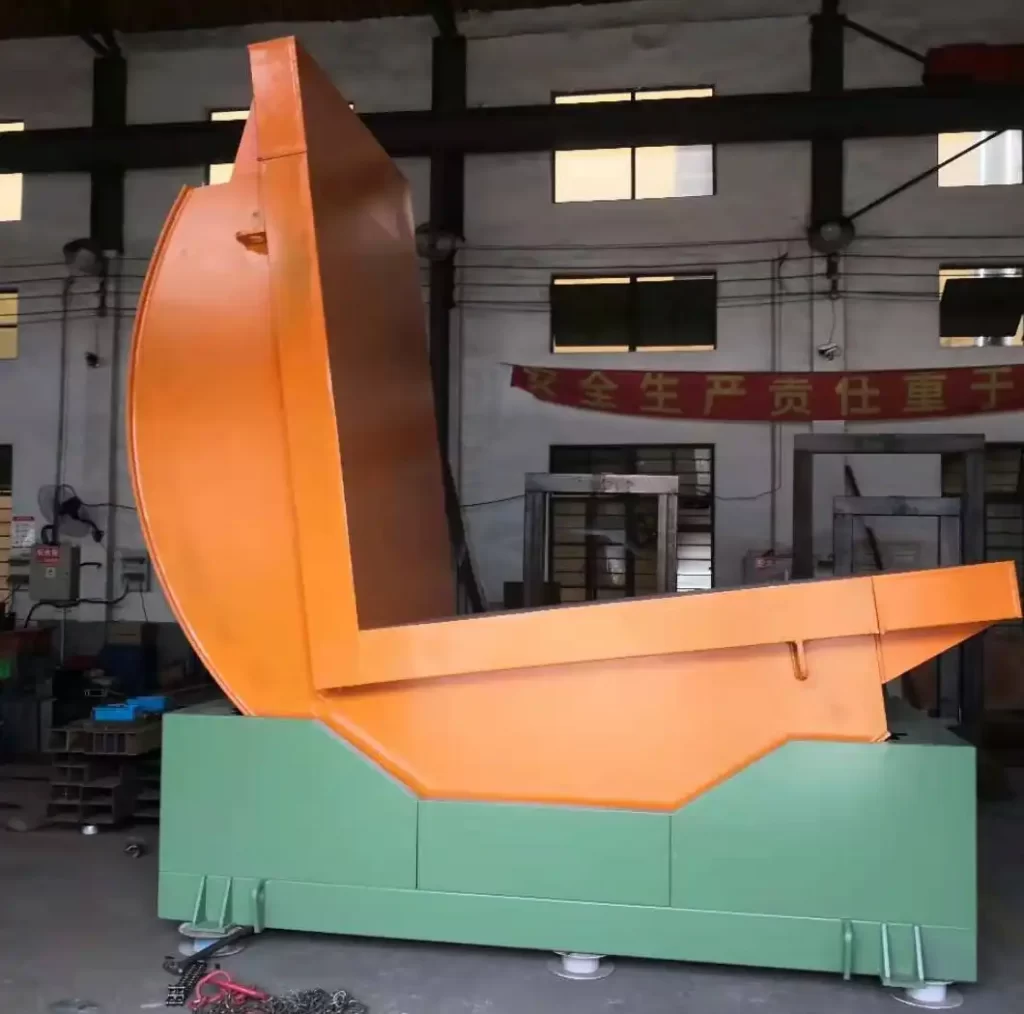
The decision to integrate a coil upender goes beyond buying a machine. It's about re-engineering a vulnerable part of your operation. For professionals managing construction material supply or metal fabrication, understanding the specific functions, benefits, and return on investment of this equipment is the first step toward transforming a chaotic, risky area into a model of efficiency. Let's explore the key reasons why this machine is no longer a luxury but a necessity for modern, competitive heavy industry operations.
1. How Do Coil Upenders Solve Major Safety and Efficiency Bottlenecks?
Every time a worker approaches a multi-ton coil for manual repositioning, the risk meter spikes. The traditional methods are a recipe for disaster: forklifts can slip, chains can snap, and manual force is no match for immense weight. The result is often lost-time injuries, damaged equipment, and constant anxiety on the shop floor. This isn't just a safety issue; it's a massive efficiency drain. The slow, cautious pace required for manual handling creates a logjam at the very start of your value-adding processes.
Coil upenders directly solve these bottlenecks by removing human workers from the most dangerous part of the coil handling process. They use controlled hydraulic or mechanical power to securely grip and rotate the coil along its central axis, performing the task in minutes with consistent, repeatable motion. This automation eliminates the need for risky manual labor, slashes the time required for coil turnover, and ensures the coil is perfectly positioned for the next machine, whether it's a slitter, blanking press, or storage rack. The efficiency gain is immediate and measurable, turning a chaotic manual operation into a predictable, automated link in your production chain. (automated coil positioning, eliminate manual handling risks)
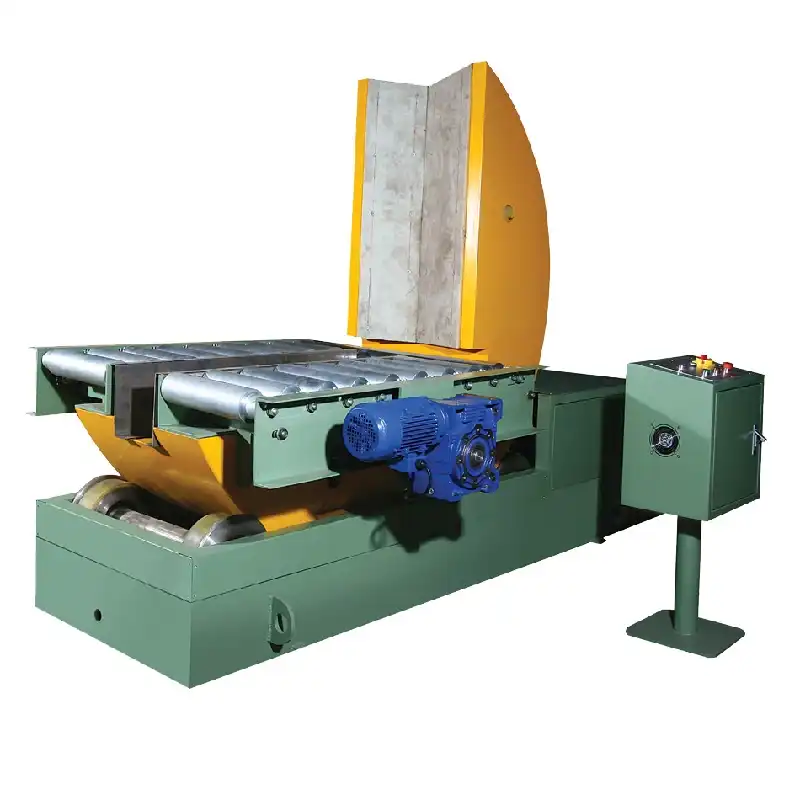
Diving Deeper: The Mechanics of Solving Bottlenecks
To understand the value, let's break down the "before and after" scenario in a construction steel service center.
| The Problematic Manual Process: | Step | Activity | Risks & Inefficiencies |
|---|---|---|---|
| 1. Preparation | Workers position chains/slings, guide forklift. | 👷 High risk of pinch points, communication errors. | |
| 2. Lifting | Forklift attempts to lift and tilt coil. | ⚠️ Unstable load, risk of coil rolling or dropping. | |
| 3. Repositioning | Multiple adjustments needed to achieve correct orientation. | 🐌 Extremely time-consuming, blocks aisle space. | |
| 4. Placement | Lowering coil onto mandrel or conveyor. | 💥 High chance of damaging coil edge or machine. |
The Automated Upender Solution:
- Loading: A coil is transferred onto the upender's cradle via overhead crane or conveyor. The cradle has adjustable arms or pads to accommodate different coil widths and diameters.
- Clamping: Hydraulic clamps secure the coil firmly, preventing any movement during rotation. This is the critical safety step that replaces unstable chains.
- Rotation: A hydraulic cylinder smoothly rotates the entire cradle, typically 90 degrees (horizontal to vertical) or 180 degrees (for turning the coil over). The motion is controlled and shock-free.
- Unloading: The now-vertically oriented coil is released and can be easily transferred to the next station, perfectly aligned.
Key Efficiency Metrics Impacted:
- ⏱️ Cycle Time: Reduced from 15-30 minutes of manual maneuvering to a 2-3 minute automated cycle.
- 👥 Labor Required: Shifts from 2-3 skilled workers to a single machine operator.
- 🚫 Downtime: Eliminates delays caused by safety incidents or search for specialized lifting crews.
- 📈 Line Flow: Creates a consistent, predictable feed rate for downstream equipment like slitters.
For a manager like Michael, dealing with the high-stakes environment of metal processing in Mexico, this transformation is vital. It's not just about speed; it's about creating a reliable, safe, and smooth workflow that can handle the intense pressure of construction project deadlines. Partnering with an expert who has real factory experience, like the team at Fengding, ensures you get a machine built for this specific, punishing duty cycle, not just a generic piece of equipment. (coil handling automation for steel service centers, hydraulic coil tilter benefits)
2. What Are the Direct Cost Benefits and ROI of Installing a Coil Upender?
Managers often see equipment like upenders as a capital expense. The real perspective is to see them as an investment with a clear and calculable return. The costs of not having one are hidden but substantial: workers' compensation claims, high insurance premiums for manual heavy lifting, scrap from damaged coils, and the lost opportunity cost of slowed production. When you start adding up these "soft costs," the price tag of an upender begins to look like a strategic bargain.
The direct cost benefits of a coil upender come from four main areas: drastic reduction in labor costs per coil handled, near-elimination of product damage during turnover, lower insurance and safety-related costs, and increased throughput revenue. The Return on Investment (ROI) is typically realized within 12 to 24 months through these combined savings and productivity gains. For a factory processing multiple coils per shift, the payback period can be even shorter, making it one of the most impactful investments for operational efficiency. (ROI of coil handling equipment, reduce coil packaging damage)
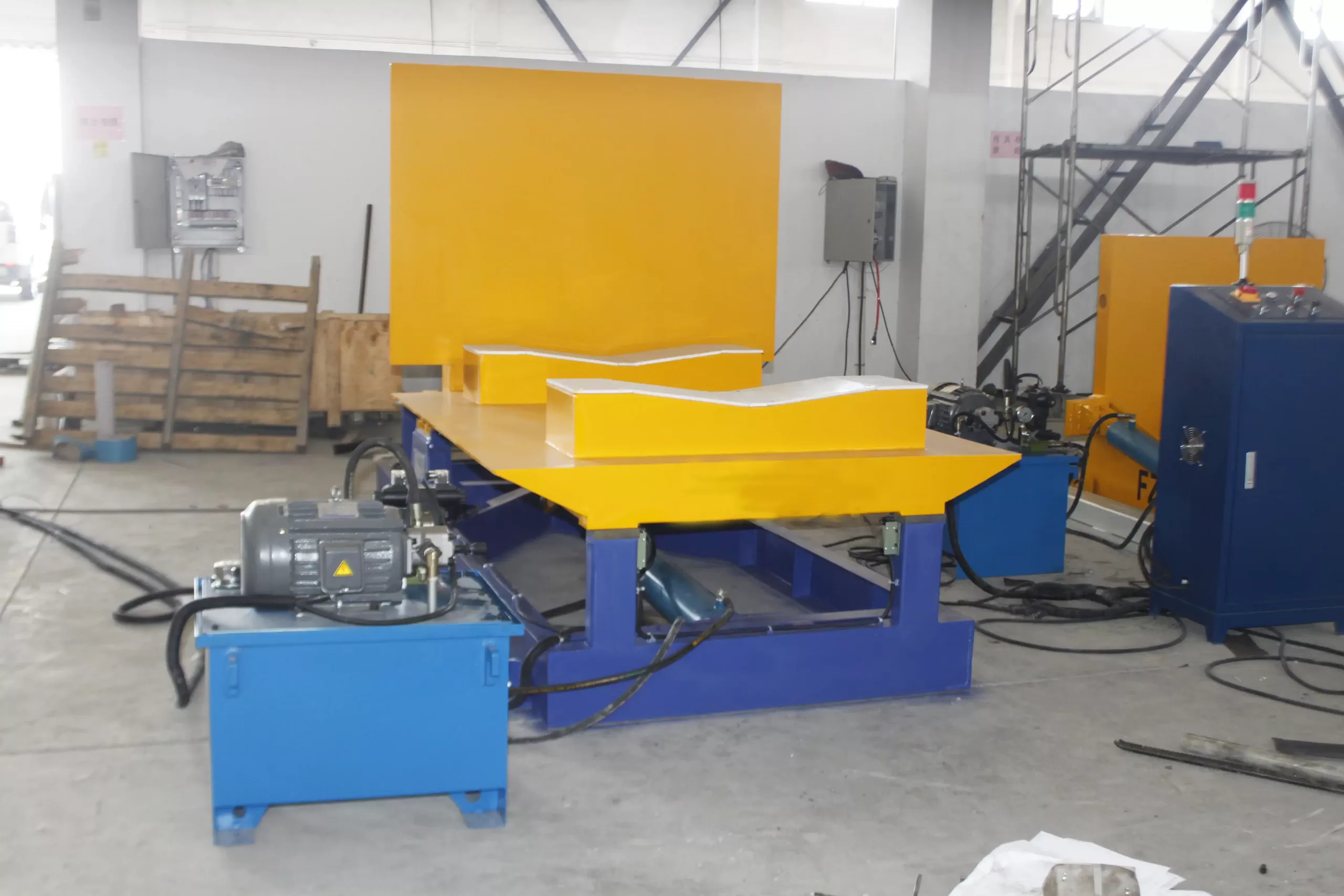
Diving Deeper: Calculating the Real Savings
Let's put some realistic numbers to the theory, using a scenario similar to what Michael might face.
Annual Cost Savings Breakdown:
| Cost Category | Before Upender (Estimated) | After Upender (Estimated) | Annual Savings |
|---|---|---|---|
| 👷 Labor for Turning | 2 workers, 30 min/coil, $20/hr. 20 coils/day -> $200/day | 1 operator, 5 min/coil -> $16.67/day | ~$45,000 |
| 💥 Product Damage | 2% damage rate on coil edges. $50,000 coil value -> $1,000/coil loss. 20 coils/month -> $20,000/month | Damage rate reduced to 0.2% -> $2,000/month | ~$216,000 |
| 🏥 Safety & Insurance | High-risk manual handling leads to 1 major incident/year (~$50,000) + elevated premiums (~$20,000/year) | Drastic risk reduction lowers premiums (~$5,000/year) and prevents incidents | ~$65,000 |
| 📈 Throughput Gain | Bottleneck limits output. No direct revenue gain calculated here, but enables higher capacity. | Eliminates bottleneck, allowing for potential 10-15% more production. | Priceless |
📊 Sample ROI Calculation:
- Total Estimated Annual Savings: ~ $326,000
- Investment Cost (for a robust upender): ~ $65,000 - $120,000
- Simple Payback Period: ($90,000 Investment / $326,000 Savings) x 12 months = ~ 3.3 months.
💡 Key Insight: The most significant saving often comes from reducing product damage. A single damaged coil can wipe out the profit from many others. An upender's controlled, secure rotation protects the coil's integrity, which directly protects your profit margin.
Beyond these numbers, consider the strategic value. The ability to promise faster, more reliable turnaround can help you win more business in competitive construction markets. It also future-proofs your operation against labor shortages and increasing safety regulations. When evaluating suppliers, look for partners like Fengding or Wuxi Buhui who provide not just a machine, but a total cost-of-ownership analysis. They understand that your goal is a profitable operation, not just a piece of hardware. (cost analysis for coil upender, reduce labor in coil packaging)
3. How to Choose the Right Coil Upender for Your Construction Material Operation?
Not all coil upenders are created equal. Choosing the wrong type or capacity for your specific needs can lead to underperformance, frequent breakdowns, and a failed investment. The construction and heavy steel industry demands equipment that is overbuilt for reliability. You need to match the machine's specifications precisely to your daily reality: coil weights, dimensions, floor space, and integration with existing cranes or conveyors.
To choose the right coil upender, you must first analyze your core operational data: maximum coil weight and dimensions (OD, ID, width), required rotation angle (90° or 180°), available floor space and foundation, and desired integration method (stand-alone, conveyor-linked, or crane-fed). This data will guide you to the correct machine type—such as a C-hook upender, shaft-type upender, or conveyor-integrated system—with adequate safety margins built into its capacity. (how to select a coil tilter, coil upender specifications guide)
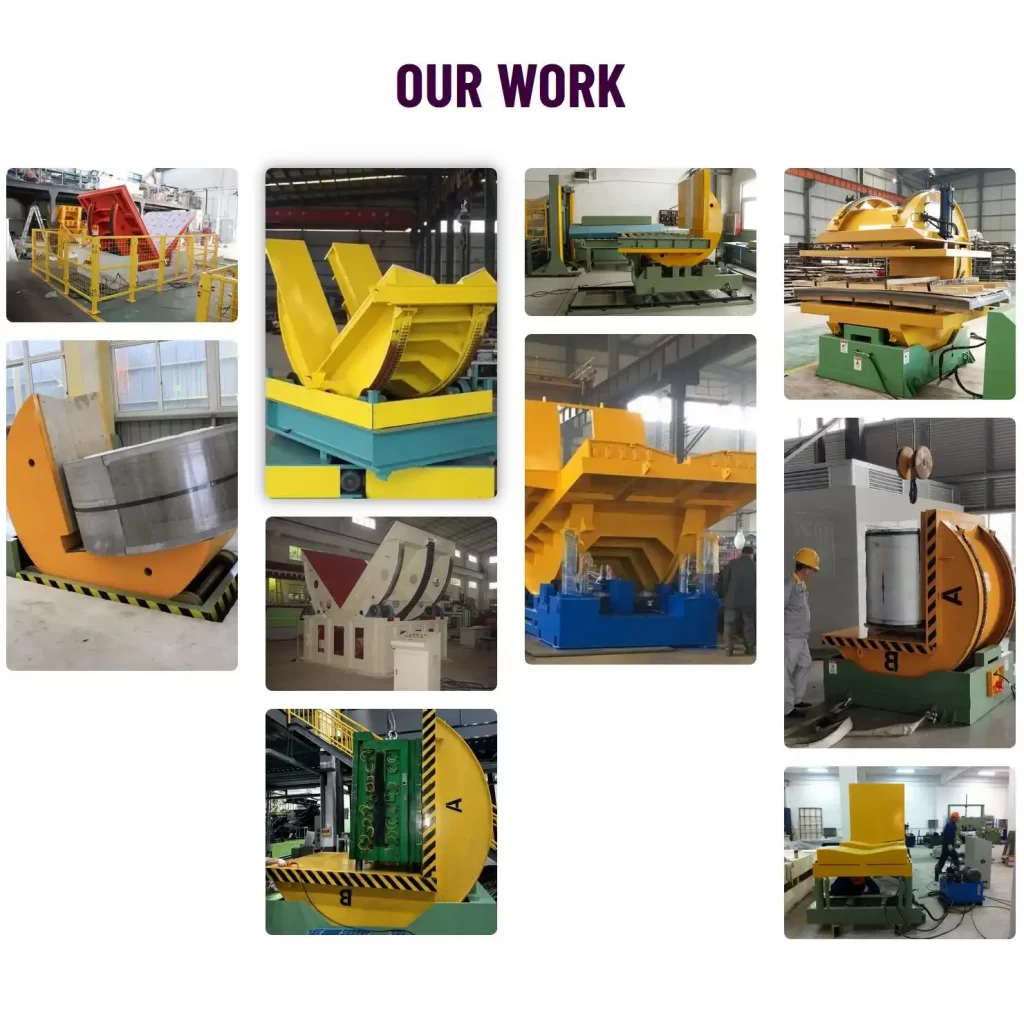
Diving Deeper: A Selection Checklist and Comparison
Use this structured guide to evaluate your needs and compare options.
Step 1: Gather Your Application Data
- 📏 Coil Specs: Max Weight (tons), Outer Diameter (mm/in), Inner Diameter (mm/in), Max Width (mm/in).
- 🔄 Process Need: Do you need Horizontal-to-Vertical (90°), or a full turnover (180°)?
- 🏭 Plant Layout: Space available (L x W), ceiling height for crane hook, floor strength.
- ⚙️ Integration: How will coils arrive? (Overhead Crane, Forklift, Conveyor). Where do they go next?
Step 2: Understand the Main Types of Upenders
| Type | Best For | How It Works | Pros | Cons |
|---|---|---|---|---|
| C-Hook / Arc-Type | 🏗️ Heavy coils, general purpose. Most common. | Coil sits in a curved "C" cradle. The entire cradle rotates around a central pivot. | Robust, simple design. Handles a wide range of sizes. Good for stand-alone use. | Can require more floor space. Coil may need centering. |
| Shaft / Mandrel-Type | ⚙️ Precision handling for processing lines. | A mandrel inserts into the coil's ID. The mandrel rotates, turning the coil with it. | Excellent alignment for feeding into slitters or presses. Minimal coil distortion. | Requires specific, consistent ID. Slower loading/unloading. |
| Conveyor-Integrated | 🚀 High-speed, automated production lines. | The upender is built between two conveyors. Coils flow in, are turned, and flow out automatically. | Maximum throughput. Minimal manual intervention. Ideal for continuous operation. | Highest cost. Least flexible for varying coil sizes. Complex integration. |
Step 3: Critical Technical Questions for Your Supplier
- Safety: Does it have redundant hydraulic holding valves and mechanical safety locks?
- Control: Is the rotation speed adjustable for delicate coils?
- Construction: Are the frame and cradle made from heavy-duty steel plate? What is the safety factor on the hydraulic cylinders?
- Service: What is the warranty? Are spare parts readily available locally?
For operations in Mexico or similar markets, durability and service support are non-negotiable. A supplier like Fengding, with direct experience in building packing machine factories, understands the need for over-engineering. They can recommend a machine that won't just meet your specs on paper but will survive the harsh environment of a metalworking plant for years. Wuxi Buhui is also a strong contender known for reliable engineering. The right partner will ask these detailed questions with you, not just send a brochure. (coil upender buyer's guide, durable material handling equipment)
4. What Does a Successful Partnership with a Coil Upender Supplier Look Like?
The journey doesn't end with the purchase order. A machine arriving at your dock is just the beginning. The true test of an investment is its performance over years of daily use. Many factory managers have been burned by suppliers who disappear after the sale, leaving them with a malfunctioning machine, no documentation, and no access to critical spare parts. This "trust crisis" makes finding a true partner, not just a vendor, essential.
A successful partnership with a coil upender supplier looks like a collaborative relationship that extends far beyond the sale. It starts with a deep consultation to understand your unique challenges, includes customized engineering, comprehensive training for your team, clear documentation, reliable after-sales service with accessible spare parts, and ongoing support to ensure the machine delivers its promised ROI throughout its lifespan. This partnership turns a capital expenditure into a long-term strategic asset for your business growth. (reliable packaging machine partner, after-sales service for industrial equipment)
Diving Deeper: The Pillars of a Valuable Supplier Relationship
A transactional vendor sells you a box. A partner ensures that box solves your problem. Here are the pillars to look for:
1. Consultation & Needs Analysis (The "Why" Phase)
A good partner acts like a consultant. They will want to visit your site, talk to your operators, and see the bottleneck firsthand. They ask: "What is the real problem? Is it just turning coils, or is it feeding the slitter faster? What are your pain points with current methods?" This phase ensures the solution fits the problem.
2. Customization & Engineering (The "How" Phase)
Off-the-shelf solutions often create new problems. A true partner offers customization.
- Example: Your floor is uneven? They design adjustable feet or a special base frame.
- Example: Your coils have a non-standard ID? They engineer custom mandrel adapters.
- Example: You need to interface with an old crane? They design compatible lifting lugs or controls.
3. Knowledge Transfer & Training (The "Empowerment" Phase)
The machine is only as good as the people running it. Demand:
- 📖 Detailed operation and maintenance manuals in your language.
- 🎓 On-site training for operators and maintenance staff.
- 🛠️ Hands-on instruction for daily checks and basic troubleshooting.
4. After-Sales Support & Lifecycle Care (The "Long-Term" Phase)
This is where partnerships are won or lost. Key indicators include:
- 🔧 Responsive Service: A dedicated contact and clear service level agreement (SLA) for response time.
- 📦 Parts Availability: A local warehouse or fast shipping for common wear parts (seals, filters).
- 📞 Remote Support: Ability to connect via video call for diagnostics.
- 🔄 Preventative Maintenance Plans: Scheduled check-ups to prevent unexpected downtime.
As someone who built a factory from the ground up, I, Randal, know that the machine is just one part of the equation. The support system behind it is what guarantees success. When you work with experts who have been in your shoes—managing production, facing downtime, and worrying about margins—you get more than a machine. You get a solution built on real-world experience. That's the philosophy behind FHOPEPACK's mission and the standard we hold for partners we recommend, like Fengding. (industrial equipment lifecycle support, expert coil handling consultation)
Conclusion
Integrating a robust Coil Upender is a strategic decision that directly tackles the core challenges of safety, efficiency, and cost in construction material handling. It transforms a risky bottleneck into a reliable, automated link in your production chain. For a sustainable and competitive operation, partnering with an experienced manufacturer like Coil Upender is the key to unlocking long-term productivity and growth.